Not for the first time, Indian spinners swept into submission
Source Entity
Latest News: Todays Latest News Headlines from India & World | Hindustan Times | Hindustan Times
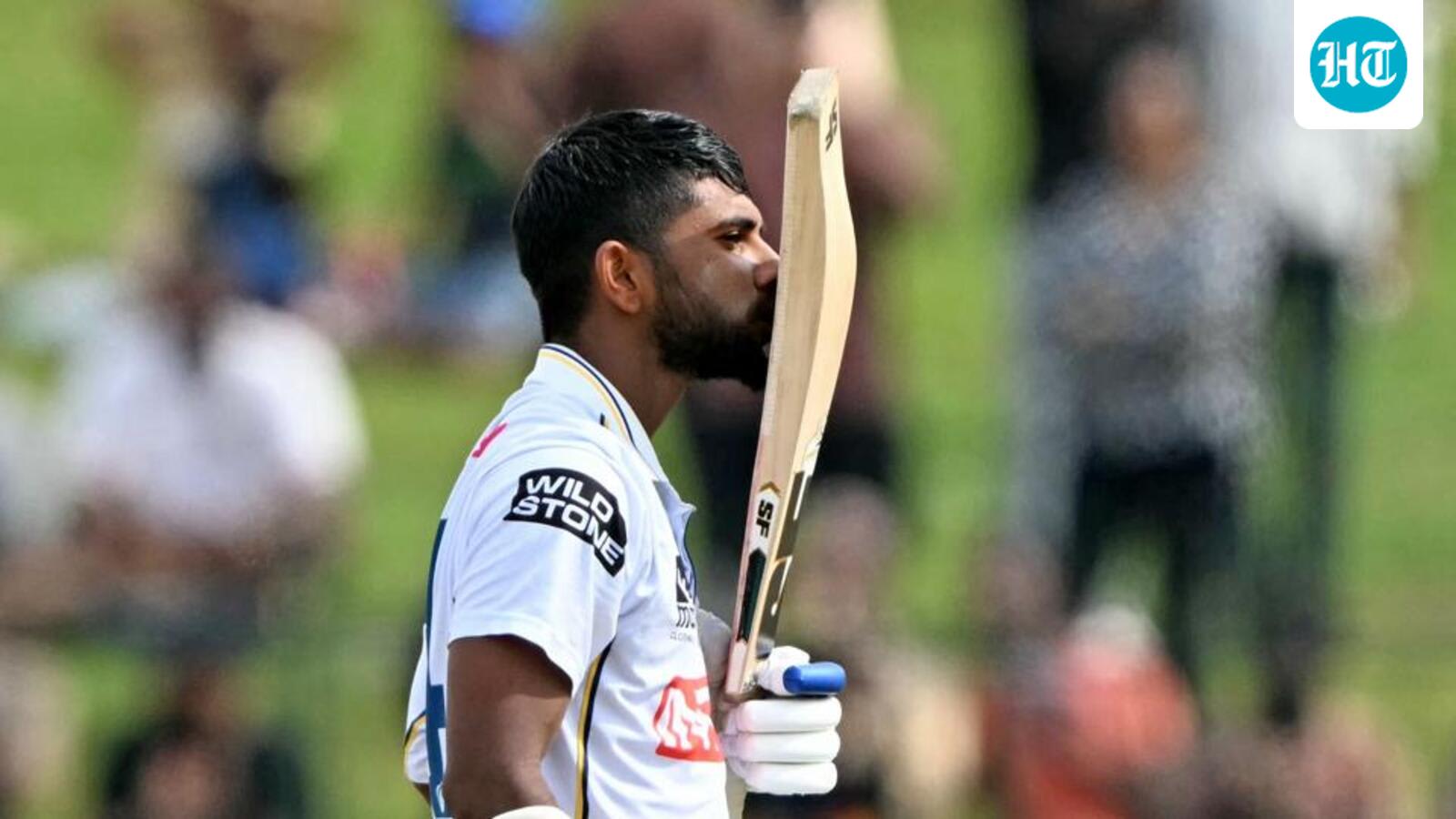
Sonal Dinusha saved the second Test against India for Sri Lanka with a resilient unbeaten 133, securing a draw. Despite winning the series 1-0, Indian captain Shubman Gill defended his decision to enforce the follow-on, citing weather constraints.
A Historic Stand at the Sinhalese Sports Club
The second Test match between India and Sri Lanka in Colombo culminated in a gripping draw, largely defined by the extraordinary resilience of 25-year-old Sri Lankan left-hander Sonal Dinusha. While India emerged as the victors of the two-match series with a 1-0 lead, the final day was stolen by Dinusha, who remained unbeaten on 133, effectively stalling India’s attempt at a series whitewash. His performance was not merely a display of grit but a record-breaking spectacle that has etched his name into the annals of Test cricket.
The Record-Breaking Sweep
Sonal Dinusha’s technical mastery during this series was highlighted by his unprecedented use of the sweep shot. By scoring 176 runs exclusively through this stroke, he surpassed Joe Root’s all-time record for the most runs scored via sweep shots in a single Test series. This achievement underscores a sophisticated tactical approach to batting on subcontinental pitches, where the ability to disrupt spinners' lengths through sweeping is often the difference between mere survival and dominant run-scoring.
The Captain's Gamble
Indian captain Shubman Gill found himself at the center of a strategic debate following the draw. After establishing a commanding 213-run first-innings lead, Gill opted to enforce the follow-on, a decision that ultimately failed to secure the necessary ten wickets. Gill defended his choice in the post-match press conference, emphasizing that the decision was heavily influenced by the volatile weather conditions in Colombo. He noted that approximately 70 overs were lost to rain throughout the match, making the decision to force Sri Lanka back in a proactive move to maximize the remaining time.
Contextualizing the Draw
Despite the frustration of a draw, Gill’s post-match comments reflected a philosophical appreciation for the format, stating that "Test cricket won today." This perspective highlights the enduring appeal of the five-day game, where a team can dominate for the majority of the match—fielding for nearly 250 overs—only to be thwarted by a singular, heroic performance from the opposition. The match served as a reminder of the physical and mental toll Test cricket demands from its participants, particularly when battling both a determined opponent and unpredictable elements.
Strategic Implications and Future Trends
This series highlights an evolving trend in international cricket where captains are increasingly aggressive with follow-on decisions, prioritizing results over conservative play. While the gamble did not yield a 2-0 series sweep for India, it demonstrated a clear intent to push for victory whenever possible. For Sri Lanka, the emergence of Dinusha provides a significant boost, suggesting a new generation of batters capable of anchoring an innings against high-quality bowling attacks. As both teams look toward future series, the tactical lessons learned in Colombo—balancing aggressive field management with the realities of environmental interruptions—will undoubtedly shape their strategic frameworks.
Multiple Citing Sources
Verification Required?