Andhra government will move Supreme Court on 34% BC quota in local bodies, says Naidu
Source Entity
India Latest News: Top National Headlines Today & Breaking News | The Hindu
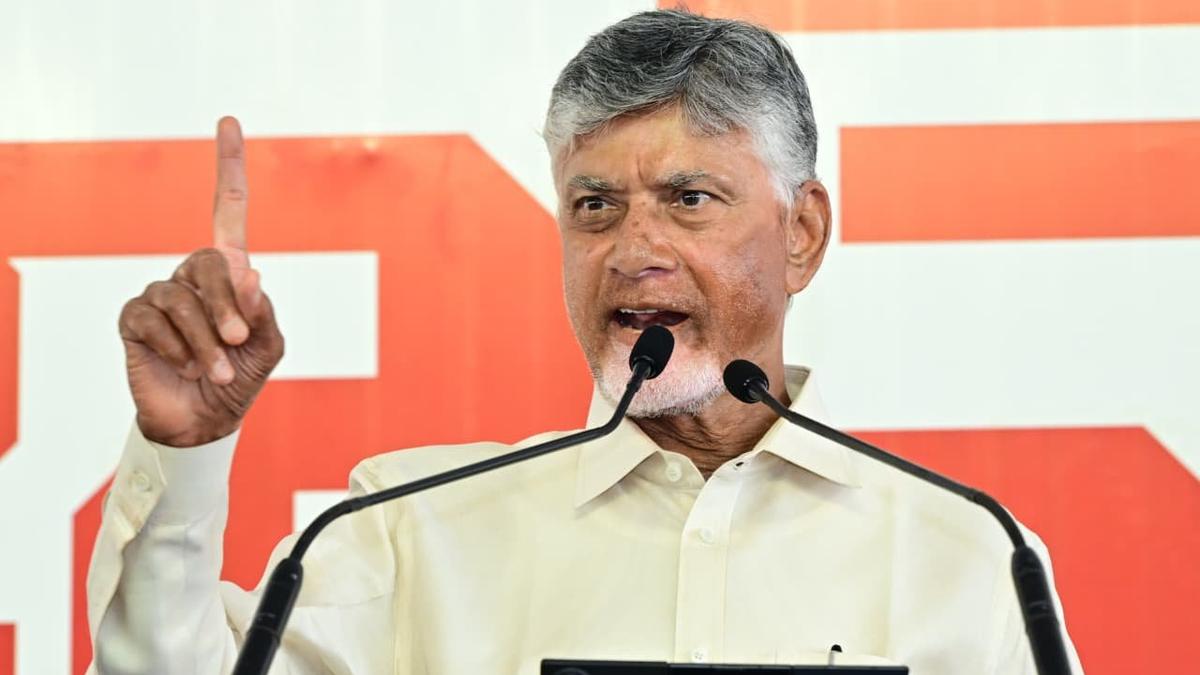
The Andhra Pradesh High Court has struck down the state's 34% reservation for Backward Classes in local body elections, citing a violation of the 50% total reservation cap. Chief Minister N. Chandrababu Naidu has pledged to challenge this ruling in the Supreme Court, accusing the opposition YSRCP of obstructing the policy.
Legal Standoff Over Local Body Reservations in Andhra Pradesh
In a significant legal development, the Andhra Pradesh High Court has struck down two government orders that mandated a 34% reservation for Backward Classes (BCs) in local body elections. The court’s decision is rooted in established jurisprudence, specifically citing Supreme Court guidelines that dictate total reservation across all categories must not exceed the 50% threshold. This ruling represents a major legal hurdle for the administration of Chief Minister N. Chandrababu Naidu, which had championed the quota as a mechanism for correcting historical social injustices.
The Political Stakes and the 50% Ceiling
The 34% reservation policy was a cornerstone of the Naidu government's recent agenda, announced on August 18 with the intent of empowering marginalized communities at the grassroots level. However, the constitutional validity of such quotas is frequently tested against the 'Indira Sawhney' principle, which maintains a strict cap on reservations to ensure equality of opportunity. By exceeding this limit in the context of local body governance, the state government invited judicial scrutiny that has now temporarily halted the implementation of their electoral strategy.
The Role of Political Opposition
Chief Minister Naidu has publicly attributed the legal challenge to the efforts of the YSR Congress Party (YSRCP). According to the government, YSRCP-backed petitions formed the basis of the High Court's intervention. This highlights the intense political polarization in Andhra Pradesh, where reservation policies are not merely administrative decisions but are central to electoral narratives and mobilization efforts aimed at key demographic segments.
Implications for Local Governance and Funding
The timing of this judicial intervention is particularly critical for the state’s administrative timeline. The government had expressed an urgent need to conduct local body elections by October to ensure the release of essential Central funds. The High Court has directed both the state government and the State Election Commission to initiate the election process within six weeks, creating a pressurized environment for the administration to reconcile its legal strategy with its financial and governance obligations.
Looking Ahead: The Supreme Court Appeal
Despite the setback, the state government remains resolute in its commitment to the 34% quota. Chief Minister Naidu has confirmed that the administration will appeal the High Court’s ruling in the Supreme Court. The upcoming legal battle will likely focus on whether specific local conditions or constitutional provisions allow for deviations from the 50% rule in the context of local body representation. As the state prepares for its appeal, the outcome will serve as a bellwether for how Indian states navigate the tension between populist social welfare mandates and rigid constitutional safeguards.
Multiple Citing Sources
Verification Required?