‘Until Gyanesh Kumar resigns’: CJP’s Abhijeet Dipke announces Goa, Bengaluru, Kolkata ‘morcha’
Source Entity
Apoorva Agashe
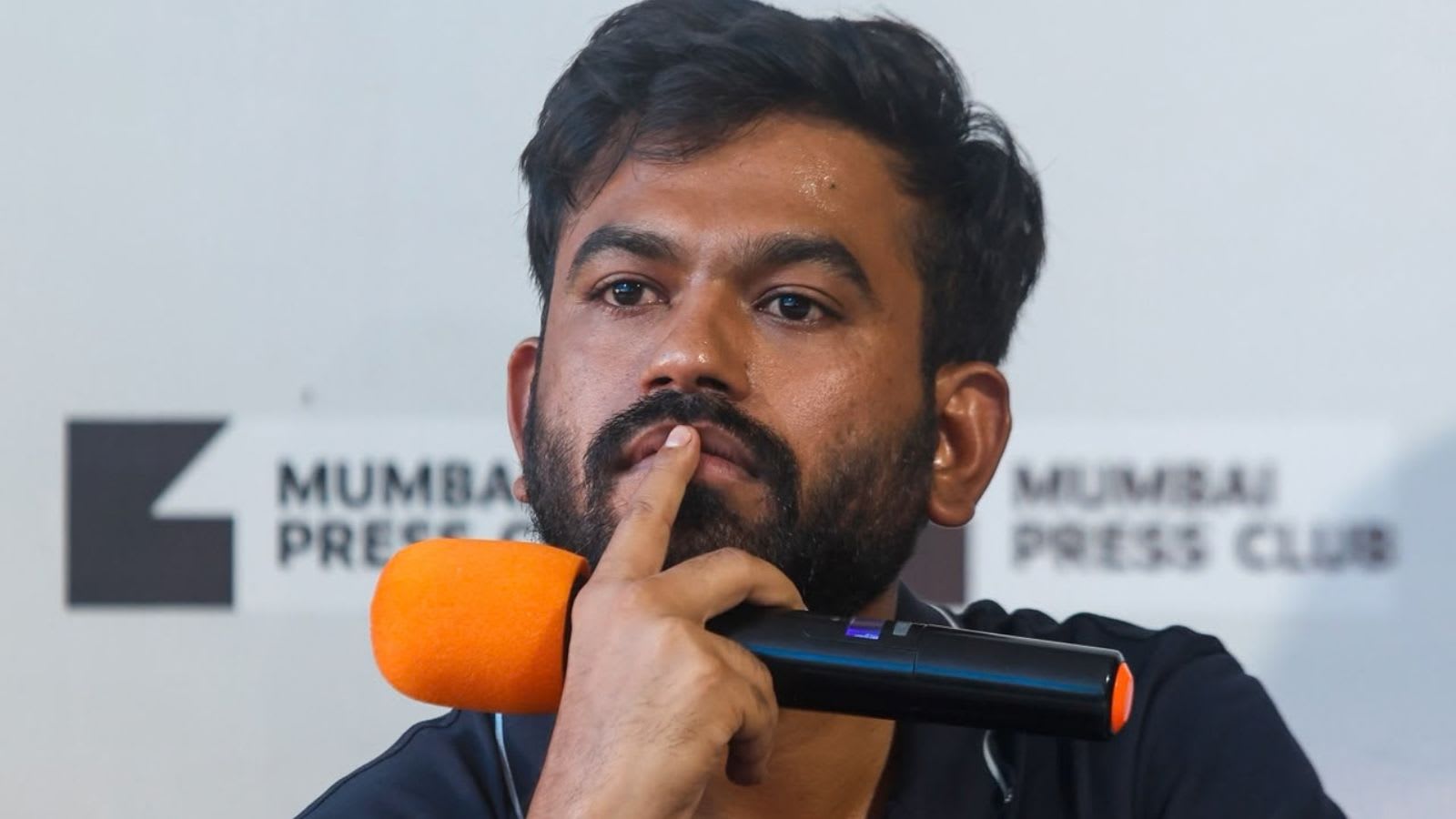
The Cockroach Janta Party, led by Abhijeet Dipke, has launched a nationwide protest demanding the resignation of CEC Gyanesh Kumar. The movement cites alleged irregularities in electoral rolls and demands systemic reforms in the Election Commission's appointment process.
The Rise of the Cockroach Janta Party: A Call for Electoral Accountability
The political landscape has seen a new wave of activism led by the Cockroach Janta Party (CJP), headed by founder Abhijeet Dipke. Following an investigative report highlighting internal rifts within the Election Commission regarding Special Intensive Revision (SIR) voter deletions, the CJP has mobilized a nationwide protest movement. Commencing on Gandhi Jayanti, October 2, at Mumbai’s Shivaji Park, the group has signaled its intent to escalate its agitation across major metropolitan hubs, including Goa, Bengaluru, and Kolkata, before reaching a crescendo at Jantar Mantar in New Delhi.
Core Demands and Allegations
The movement is anchored by three primary demands: the immediate resignation of Chief Election Commissioner (CEC) Gyanesh Kumar, the freezing of the 2025 electoral roll, and the institutionalization of a transparent, civil society-inclusive process for appointing future Election Commissioners. Abhijeet Dipke, alongside fellow leader Saurav Das, has leveled serious accusations against the CEC, alleging that the current electoral roll management is compromised and that the poll body has become subservient to executive interests.
Escalation and Rhetoric
The discourse surrounding these protests has been notably confrontational. Dipke has publicly challenged state leadership and escalated the stakes by stating that if CEC Gyanesh Kumar refuses to step down, the movement will pivot to demanding the resignation of Prime Minister Narendra Modi. By labeling the CEC a "traitor" and a "puppet" of the ruling administration, the CJP is attempting to frame the integrity of the electoral process as the central crisis of the current governance cycle.
The Impact of Voter Deletions
The catalyst for this "Jail Bharo Andolan" is the alleged deletion of millions of voters from the electoral rolls. The CJP contends that these deletions are not merely administrative errors but are systematic irregularities that undermine democratic legitimacy. By demanding that the 2025 roll be frozen and utilized as the basis for future elections, the party is positioning itself as a watchdog against potential disenfranchisement and electoral manipulation.
Future Trends and Broader Implications
As the CJP prepares to take its protest to six cities, the movement represents a broader trend of civil society organizations seeking to challenge the autonomy of constitutional bodies. The demand for a transparent appointment process for the CEC reflects growing public scrutiny of how independent institutions interact with the executive branch. Whether this movement gains significant national traction or remains a localized phenomenon will depend on the public's perception of the validity of the SIR voter deletion claims.
Conclusion
The CJP’s agitation highlights a deep-seated tension regarding the independence of India’s electoral machinery. With protests planned through the end of October, the movement aims to force a dialogue on electoral accountability. The challenge for the CJP will be sustaining momentum and translating its specific grievances into a wider national discourse on democratic integrity.
Multiple Citing Sources