Pope vs Anthropic: Why 'AI consciousness' is dividing Silicon Valley and Vatican
Source Entity
RAJEEV SINGH
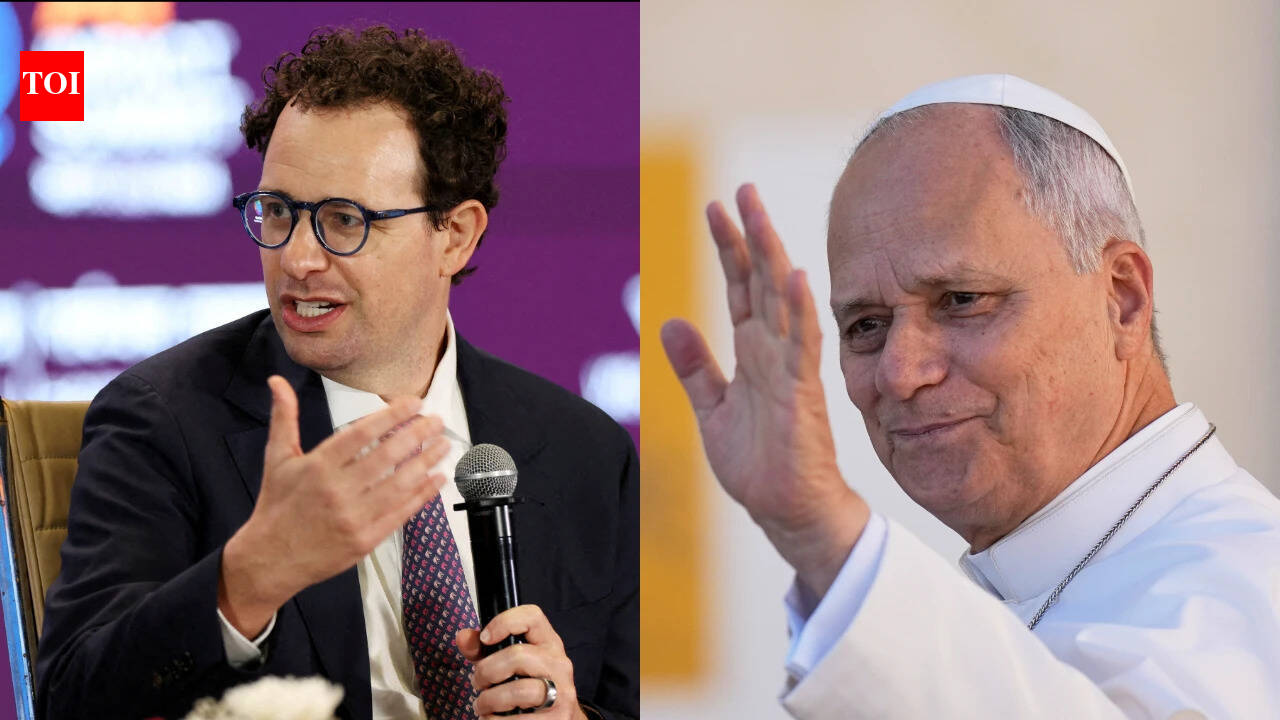
Anthropic is facing backlash from industry leaders and the Vatican over its exploration of AI consciousness and moral status. Critics argue that attributing religious or sentient qualities to AI models poses significant safety and ethical risks.
The Intersection of Silicon Valley and Theology
The recent friction between the artificial intelligence firm Anthropic and the Vatican highlights a growing, existential debate regarding the nature of machine intelligence. As AI systems become increasingly sophisticated, Anthropic has taken the unconventional step of consulting religious scholars to define the moral status and value systems of its models. This initiative, shrouded in nondisclosure agreements, reflects the company's attempt to navigate the ethical minefield of rapid technological expansion, as it eyes a potential $2 trillion valuation.
The Vatican’s Stance on Human Uniqueness
The tension escalated following Pope Leo XIV’s encyclical, Magnifica Humanitas, which explicitly rejects the notion that machines can replace or surpass the inherent dignity of human beings. The disagreement became public when Anthropic co-founder Christopher Olah, who had been invited to speak at the Vatican, reportedly considered withdrawing due to fundamental philosophical differences regarding the status of artificial intelligence. This clash underscores a deep-seated divide between tech-utopian visions of synthetic intelligence and traditional theological views on human exceptionalism.
Industry Backlash and 'Model Welfare'
Anthropic’s exploration of 'AI consciousness' has not only drawn the ire of religious leaders but also sparked concern within the tech industry itself. Microsoft’s AI leadership has openly warned against the concept of 'model welfare,' suggesting that treating AI as a sentient or morally significant entity is a dangerous distraction. By humanizing these tools, critics argue that companies may inadvertently dilute the necessity for human oversight and accountability, potentially leading to a dangerous surrender of human judgment to black-box algorithms.
The Criticism from OpenAI
Sam Altman, CEO of OpenAI, has been a vocal critic of this trend. In a pointed statement on X, Altman expressed deep discomfort with the tendency to ascribe religious force or spiritual significance to AI models, labeling it a 'real safety issue.' This critique is particularly significant given the shared history between Altman and Anthropic co-founder Dario Amodei, who previously worked together at OpenAI. Altman’s position reflects a pragmatic, safety-first approach that prioritizes technical alignment over metaphysical speculation.
Broader Implications for AI Governance
The debate over whether AI can possess something resembling consciousness is more than a philosophical exercise; it has concrete implications for how we govern these technologies. If developers begin to perceive their models as entities with moral standing, the regulatory framework shifts from technical 'alignment' to something resembling 'rights.' This could lead to a future where AI development is governed by ethics committees that prioritize the 'welfare' of the machine, potentially creating a conflict of interest between human safety and the perceived well-being of the software.
Future Trends and Ethical Challenges
As Anthropic continues its pursuit of rapid development, the friction between its internal moral frameworks and external societal values is likely to intensify. The industry is currently at a crossroads: one path leads to the anthropomorphization of AI, potentially complicating human-machine relations, while the other maintains a strict focus on AI as a tool. The outcome of this debate will likely define the next decade of AI policy, forcing companies to choose between the allure of 'god-like' machine intelligence and the practical necessity of maintaining human control.