Antony Blinken on Iran war: Markets, munitions, midterms, and Trump's off-ramp Trump dilemma
Source Entity
Latest News: Todays Latest News Headlines from India & World | Hindustan Times
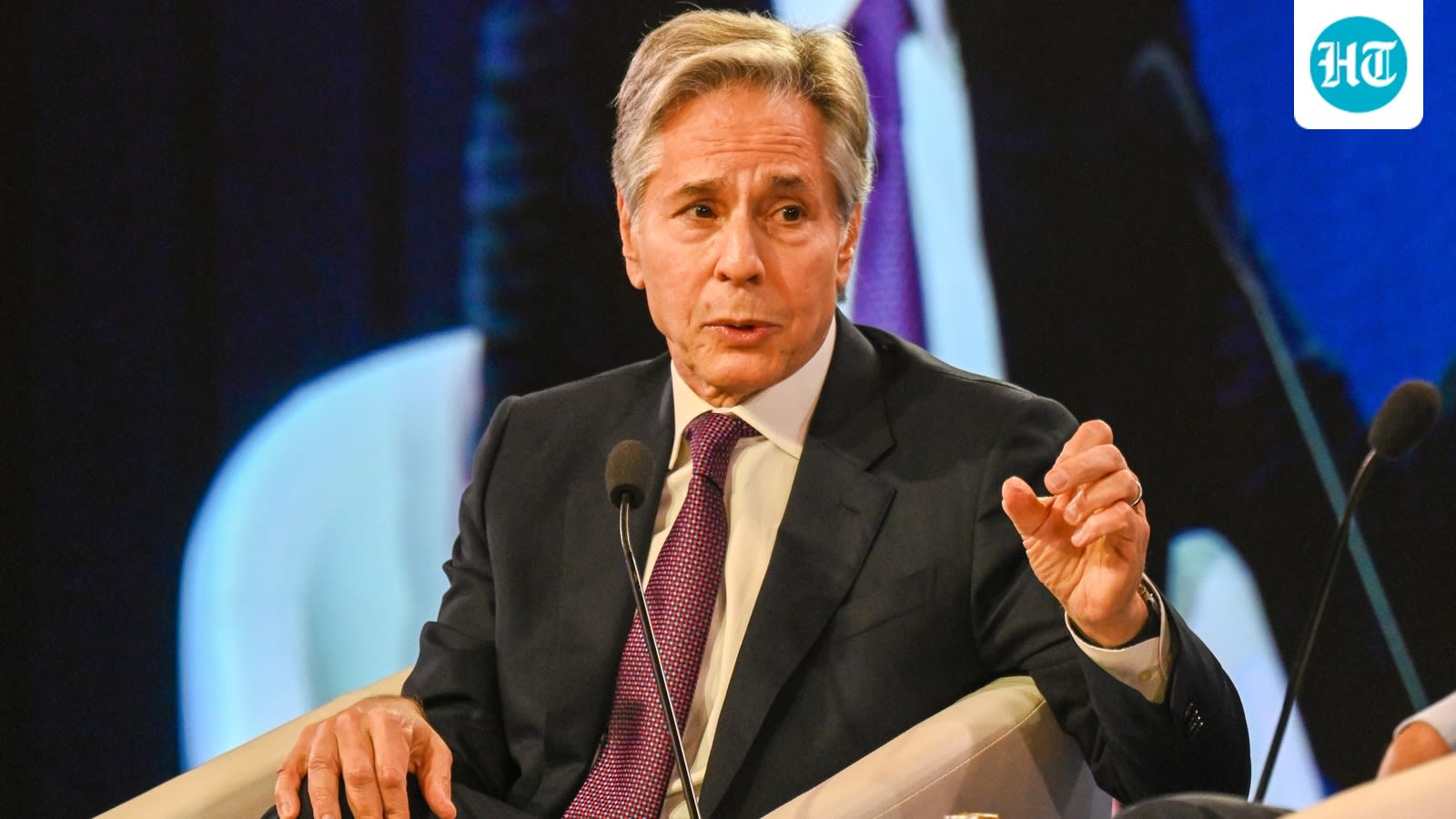
Former US Secretary of State Antony Blinken reflected on the prolonged nature of the Iran conflict, highlighting the economic and military strain on the Trump administration. Speaking at the HT Leadership Summit, he underscored the challenges of global stability, specifically regarding the Strait of Hormuz.
The Prolonged Conflict: An Assessment of the Iran-US Standoff
Former US Secretary of State Antony Blinken’s recent appearance at the 24th Hindustan Times Leadership Summit in New Delhi has provided a rare, candid retrospective on the ongoing conflict with Iran. The most striking admission from Blinken was his miscalculation regarding the duration of the hostilities; he had initially projected a swift resolution, but the reality has proven to be a protracted engagement. This admission highlights the complexities of modern geopolitical warfare, where initial strategic assessments often crumble under the weight of entrenched regional realities.
The 'Three Ms' and Domestic Pressure
Blinken framed the strategic challenges faced by the Trump administration through the lens of what he termed the "three Ms": markets, munitions, and midterms. The economic implications are perhaps the most tangible for the American public. By linking the war directly to the price of essential commodities—including gasoline, diesel, and fertilizer—Blinken illustrated how foreign policy decisions have direct, immediate impacts on the domestic economy. When global supply chains are disrupted, the inflationary pressure on these core inputs creates a volatile environment for any administration, particularly as it navigates internal political cycles.
The Strategic Vulnerability of the Strait of Hormuz
The Strait of Hormuz has emerged as a focal point of this instability. Blinken noted that this critical sea route for global oil shipments was not a point of contention prior to the war, but it has now transformed into a major security challenge that demands urgent attention. The necessity of protecting this maritime chokepoint is not merely a regional concern but a global imperative, as any disruption here sends shockwaves through international energy markets, further complicating the administration's ability to maintain economic stability.
Munitions and Industrial Capacity
A critical, and often overlooked, aspect of the conflict is the strain on military industrial capacity. Blinken explicitly mentioned the depletion of US stockpiles of munitions. This reality raises significant questions about the long-term sustainability of the current strategic posture. When a nation is forced to exhaust its reserves, it limits the flexibility of its foreign policy and necessitates a rapid, costly ramping up of domestic defense manufacturing to ensure national readiness for potential future contingencies.
Geopolitical Realignment and India's Role
The setting of this discussion—the Hindustan Times Leadership Summit in New Delhi—is itself significant. By labeling India a "global force," Blinken signaled the evolving nature of international alliances. In an era where traditional security architectures are being tested, the alignment of major powers like the United States and India becomes increasingly vital. This partnership is likely to play a decisive role in how the international community approaches the stabilization of the Middle East and the management of future threats to global energy corridors.
Future Trends and Concluding Outlook
Looking ahead, the administration faces the daunting task of balancing domestic political considerations, represented by the looming midterms, against the hard realities of a long-term military commitment. The intersection of economic anxiety, military readiness, and geopolitical strategy suggests that the "Iran dilemma" will continue to dictate the rhythm of American foreign policy for the foreseeable future. The lessons learned from the current conflict, particularly regarding the speed of mobilization and the fragility of supply routes, will undoubtedly inform the next decade of defense planning and international diplomacy.
Verification Required?