Anurag Kashyap on why Bollywood bends easily to power: ‘Once you say yes, you can’t shut it’
Source Entity
The Indian Express
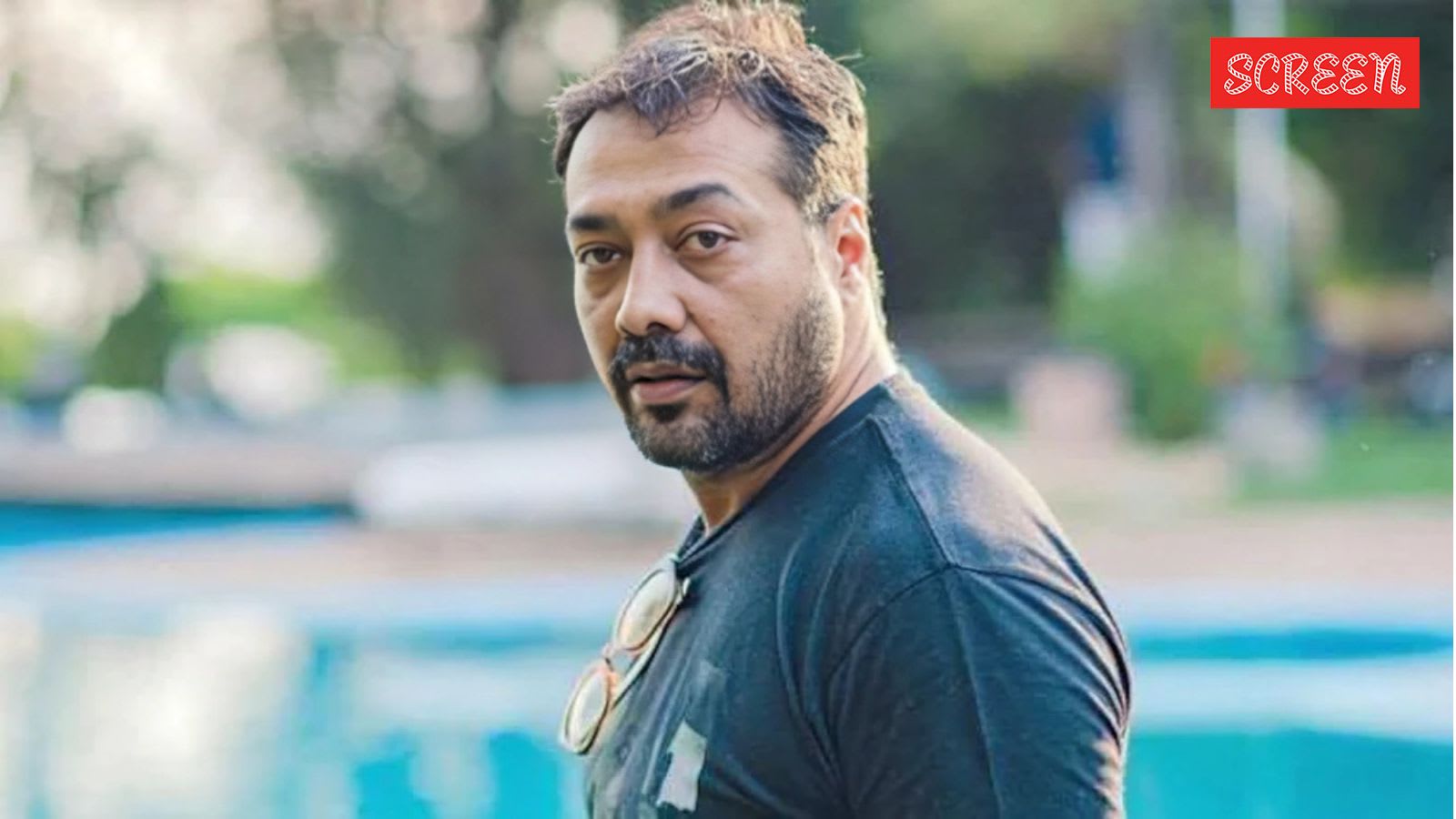
Filmmaker Anurag Kashyap recently opened up about his relationship with Shubhra Shetty and his critical views on Bollywood's alignment with power. In a rare joint interview, the couple addressed public scrutiny and marriage, while Kashyap discussed the systemic pressures facing the film industry.
A Rare Glimpse into Personal and Professional Integrity
Renowned filmmaker Anurag Kashyap, known for his gritty and socially conscious cinema, has recently stepped into the spotlight for reasons both personal and professional. In a candid interview with Janice Sequeira, Kashyap addressed the long-standing public curiosity surrounding his relationship with Shubhra Shetty. The couple, who first sparked dating rumors nearly a decade ago through social media posts, shared their perspectives on companionship and the societal expectations of marriage.
The Dynamics of Modern Partnership
During the discussion, the topic of marriage was addressed with a level of transparency rarely seen in celebrity discourse. Kashyap revealed that while he is deeply committed to his life with Shetty, the institution of marriage is not a priority for her. His response—emphasizing his desire to simply be with her above all else—highlights a shift in how public figures are increasingly prioritizing personal compatibility over traditional structures. This vulnerability, marked by Kashyap admitting to past insecurities and a desire for personal health, offers a humanizing look at a filmmaker often associated with intense, high-stakes narratives.
Challenging the Industry Status Quo
Beyond his personal life, Kashyap utilized the platform to reiterate his long-standing critique of Bollywood’s relationship with power. Known for his vocal stance against systemic inertia, Kashyap argued that the film industry’s tendency to align with the establishment is rarely a matter of individual desire. Instead, he framed it as a slippery slope: once an individual or entity compromises their principles to accommodate power, it becomes increasingly difficult to regain that autonomy.
The Mechanics of Compliance
Kashyap’s analysis suggests that the industry’s compliance is often born from a cycle of pressure rather than active malice. By stating, “Once you say yes, you can’t shut it,” he paints a picture of an industry trapped by its own concessions. This commentary provides a broader look at the power dynamics within Indian cinema, where the pressure to maintain commercial stability often forces creators into uncomfortable alignments with political or institutional forces.
Implications for Future Creative Freedom
These reflections are particularly significant given Kashyap’s history of challenging the status quo through his art. As he continues to navigate both his personal evolution and the changing landscape of Indian cinema, his insights serve as a warning about the fragility of creative independence. The intersection of his private life—defined by mutual respect—and his public critique—defined by a fight for integrity—suggests that Kashyap remains a vital, if polarizing, voice in contemporary culture.
Conclusion
Ultimately, the interview serves as a synthesis of Anurag Kashyap’s dual identity: the man seeking stability in his private life and the filmmaker demanding accountability in his industry. By addressing both his relationship with Shubhra Shetty and the broader political pressures of Bollywood, Kashyap reinforces his position as a figure who refuses to be easily categorized, whether in his personal choices or his professional critiques.