Fusion Paithani saris test tradition with new drapes
Source Entity
Latest News: Todays Latest News Headlines from India & World | Hindustan Times | Hindustan Times
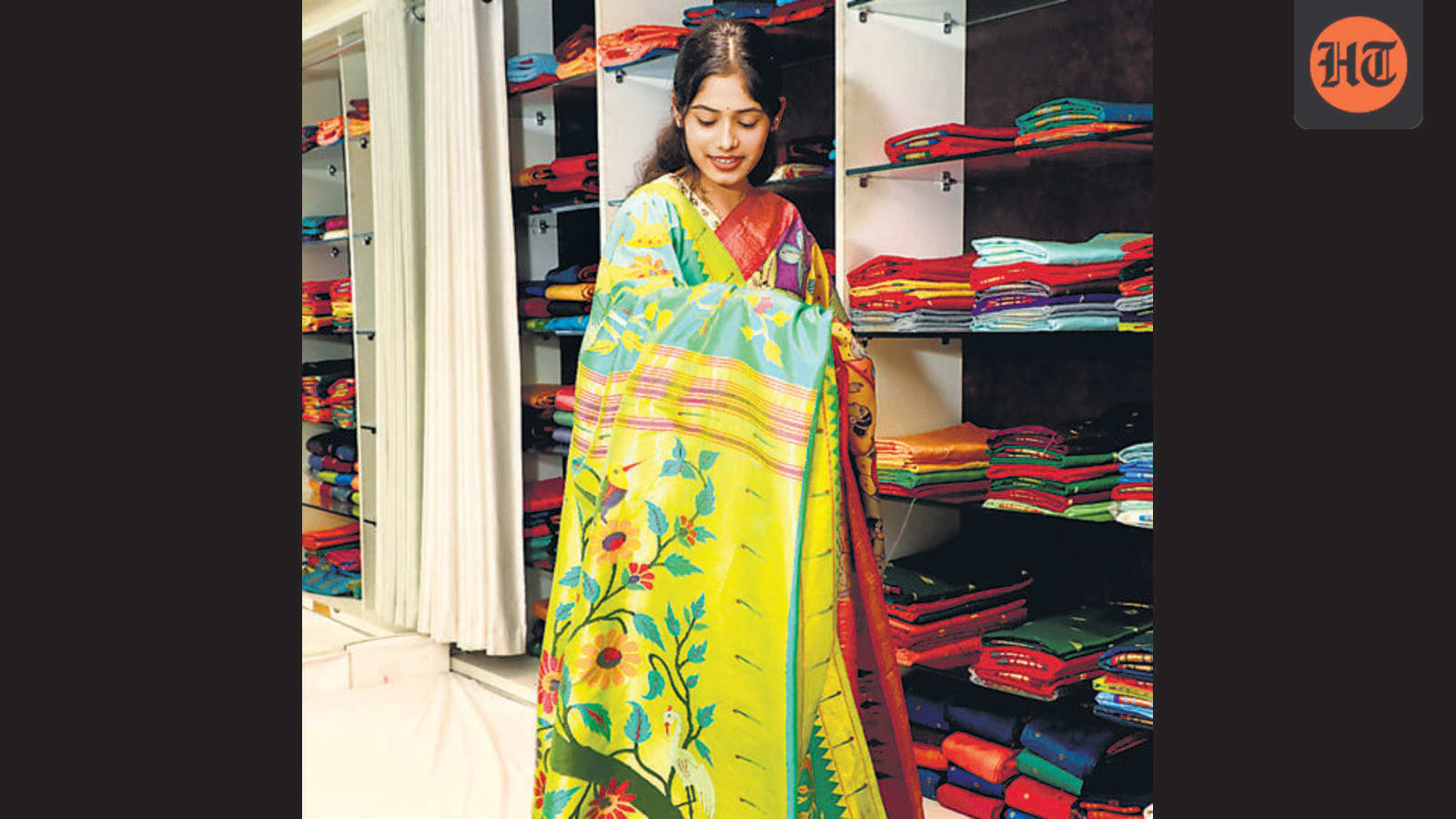
The traditional Paithani sari industry in Yeola is facing a debate over innovation as weavers experiment with modern fusion drapes. This shift challenges the historical identity of the 'fabric of God' while trying to balance market relevance with ancient craftsmanship.
The Evolution of the 'Fabric of God'
In the heart of Yeola, Nashik, a profound shift is occurring within the ancient craft of Paithani weaving. Master weavers like 85-year-old Shantilal Bhandge, who has dedicated 65 years to the loom, represent a lineage of craftsmanship that traces back 2,000 years. Once referred to as "dev vastra" or the "fabric of God," the Paithani sari has historically been a symbol of luxury, known for its intricate gold filaments and hand-woven precision that once commanded prices equal to its weight in gold along ancient trade routes.
The Tension Between Tradition and Innovation
The current crisis in Yeola is centered on an existential question: at what point does modern adaptation dilute the essence of a traditional masterpiece? As the industry faces shifting consumer preferences, a new trend of "fusion drapes" has emerged. This innovation aims to modernize the silhouette and utility of the garment, yet it has sparked significant anxiety among the 600 master weavers who fear that deviating from the traditional techniques and aesthetics of the Paithan-originated craft might compromise its cultural integrity.
Historical Significance and Market Pressures
To understand the gravity of this debate, one must acknowledge that Paithani is not merely a garment but a heritage asset. Its origins in Paithan, the ancient capital of the Satavahana dynasty, cemented its status as a pinnacle of Indian textile art. Today, the weavers are caught between two worlds: the pressure to innovate to remain relevant in a fast-paced global fashion market and the duty to preserve the specific, labor-intensive methods that define a genuine Paithani sari.
The Future of Hand-Loom Craftsmanship
The ripple of nervousness felt in Yeola reflects a broader struggle faced by artisanal communities across India. As fusion designs gain traction, the definition of what constitutes an "authentic" Paithani is being challenged. Future trends will likely depend on whether the market can support a dual-track approach: one that strictly adheres to historical patterns for collectors, and another that embraces the fusion movement to attract younger, fashion-forward demographics.
Conclusion: Defining the Legacy
Ultimately, the debate in Yeola is a litmus test for the sustainability of traditional Indian crafts. While innovation is often necessary to survive in modern economies, the challenge remains to ensure that the "fabric of God" does not lose its soul in the process of transformation. The decisions made by the master weavers today will decide whether the Paithani remains an evolving art form or becomes a static relic of the past.
Verification Required?