Equestrian Anush Agarwalla gives up Asian Games fight
Source Entity
TANUJ LAKHINA
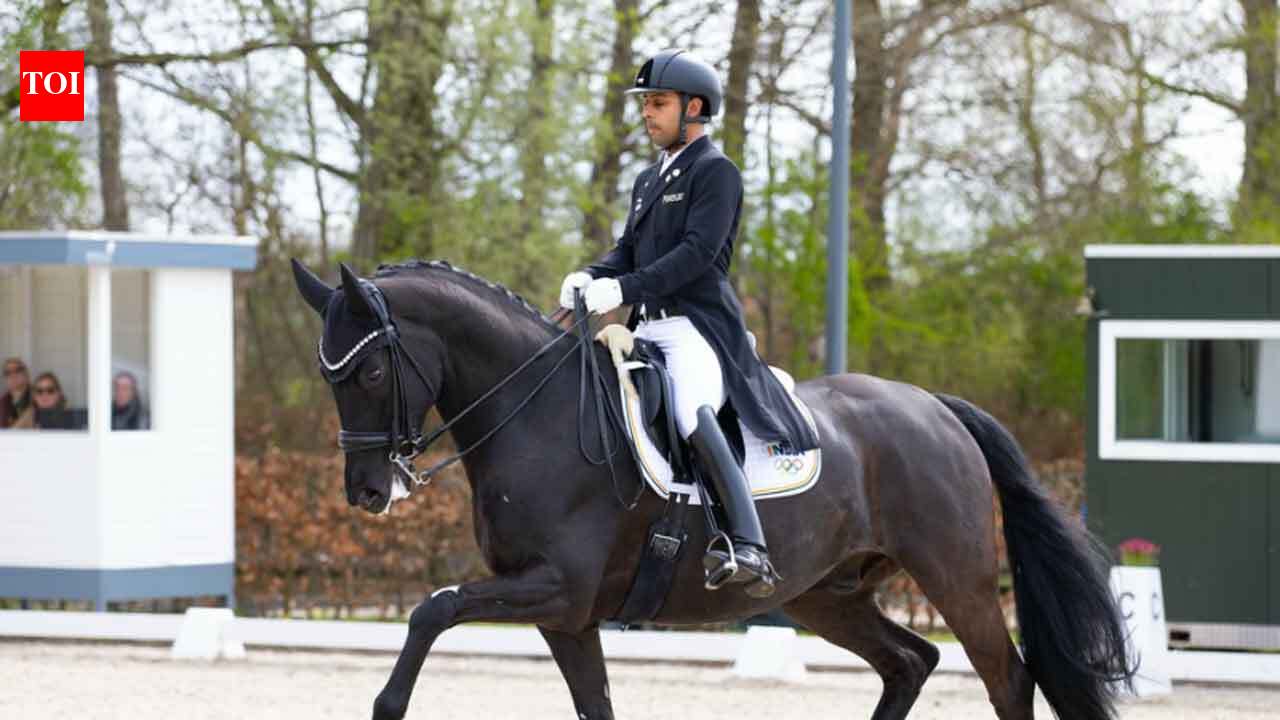
Equestrian Anush Agarwalla has withdrawn from the 2026 Asian Games following a lack of response from sports authorities. He expressed deep frustration, citing a sense of betrayal by the EFI, Sports Ministry, and the IOA.
The End of a Dream: Anush Agarwalla's Withdrawal
Indian equestrian Anush Agarwalla has officially conceded his pursuit of participating in the 2026 Asian Games, set to commence on September 19. This decision marks a significant setback for the sport, as Agarwalla represents one of India's most prominent figures in competitive equestrianism. His withdrawal is not a result of a lack of preparation or physical injury, but rather an administrative impasse that has left the athlete feeling disillusioned with the national sporting governing bodies.
A Plea Left Unheard
At the heart of this controversy is Agarwalla’s assertion that his repeated appeals to the Equestrian Federation of India (EFI), the Ministry of Youth Affairs and Sports, and the Indian Olympic Association (IOA) were met with silence. The athlete’s public declaration of feeling 'betrayed' underscores a growing friction between elite athletes and the bureaucratic structures intended to support their international ambitions. By failing to engage with Agarwalla’s concerns, these organizations have effectively foreclosed on his opportunity to compete on the continental stage.
Administrative Accountability and Athlete Welfare
The EFI, the IOA, and the Ministry of Sports are tasked with the critical responsibility of navigating the complex logistics of athlete selection and international representation. When communication channels break down, the cost is borne by the athletes who dedicate years of training to peak at specific events like the Asian Games. Agarwalla’s case serves as a poignant reminder that the infrastructure of Indian sports must prioritize transparency and active dialogue to ensure that high-performing athletes are not forced into premature retirement from competition due to administrative neglect.
Broader Implications for Indian Equestrianism
Equestrian sports, which require immense financial investment and logistical coordination, are particularly vulnerable to administrative instability. Agarwalla’s withdrawal could have a cooling effect on the sport's development in India, potentially discouraging emerging riders who look to established figures as beacons of success. The loss of a top-tier competitor in such a high-stakes environment diminishes India’s overall standing in the equestrian discipline at the upcoming Games.
The Path Forward
While the 2026 Asian Games will proceed without Agarwalla, the fallout from this incident warrants a review of how the EFI and associated bodies handle athlete grievances. The disappointment expressed by the rider is a call for structural reform. Future success in international competitions depends not only on the physical prowess of the athletes but also on the efficiency and responsiveness of the institutions that facilitate their participation. Without a fundamental shift in how these authorities engage with their competitors, the risk of losing elite talent to administrative frustration remains a persistent threat to India’s sporting future.