F1 in Madrid: Like Monaco but twice as long and none of the glamour
Source Entity
Jonathan M. Gitlin
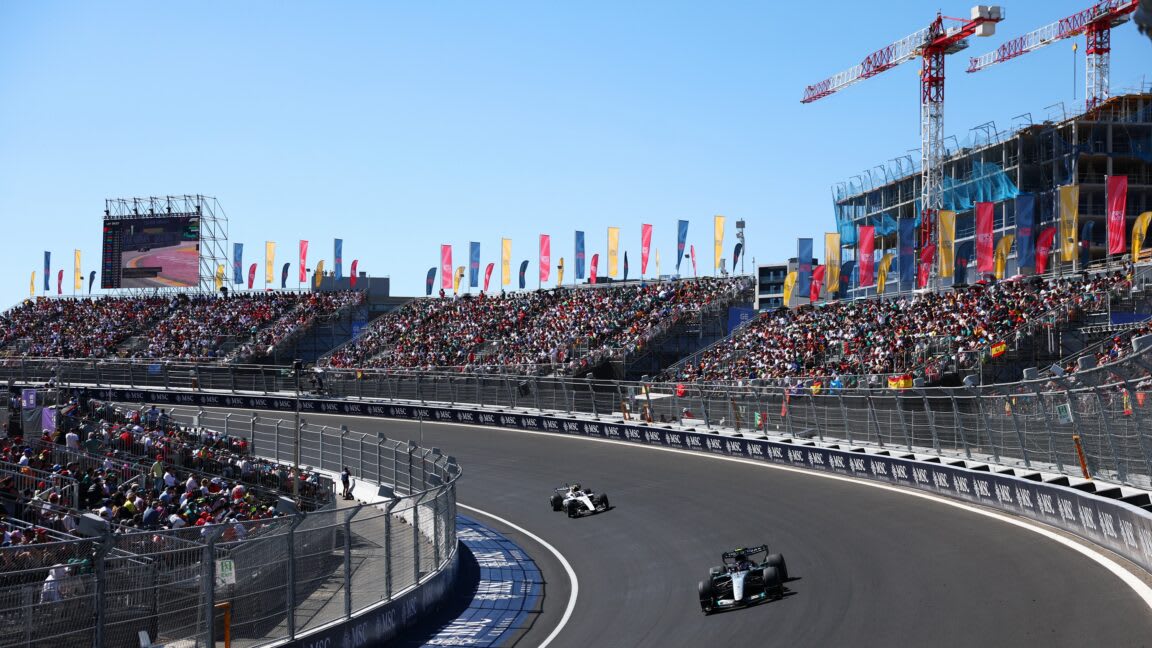
The new Madrid street circuit, while visually ambitious, has faced criticism for producing a processional race with minimal overtaking. Despite the success of Kimi Antonelli, concerns are rising about the viability of F1's shift toward street tracks.
The Madrid Dilemma: Innovation vs. Racing Quality
Formula 1’s recent expansion into street circuits has reached a critical juncture with the introduction of the Madrid venue. Designed as a hybrid layout, the track blends public roads with a purpose-built permanent section, headlined by the ambitious 'La Monumental'—a 550m banked corner with a 24% gradient. While the track design allows for speeds exceeding 340 kph, the racing product on Sunday told a different story, highlighting a growing tension between the commercial spectacle of street racing and the technical requirements for competitive wheel-to-wheel action.
The Performance Gap: Procession Over Competition
Despite the visual drama of the Madrid circuit, the racing statistics from the 57-lap event are deeply concerning for the sport’s governing bodies. Recording only four overtakes throughout the entire Grand Prix, the race fell well short of the standards expected by fans and stakeholders. This lack of on-track action invites unflattering comparisons to established circuits like Monaco, where the narrow geometry often restricts overtaking, suggesting that the 'spectacle' of bringing racing to the masses may be inadvertently compromising the competitive integrity of the sport.
The Human Element: Kimi Antonelli’s Rise
Amidst the tactical struggles of the circuit, the emergence of Mercedes driver Andrea Kimi Antonelli provided a much-needed narrative pivot. His victory in Madrid stands as a significant milestone, contrasting sharply with the chaotic weekend experienced by Ferrari at Monza, where Charles Leclerc’s early errors hampered the team’s prospects. Antonelli’s success, achieved despite the constraints of the Madrid layout, showcases the exceptional talent currently entering the sport, even if the venue itself failed to facilitate a high-action race.
Infrastructure and Logistics
Beyond the racing, the event highlighted the logistical challenges inherent in new street circuits. The Madrid track features the longest pit lane on the current calendar, a design choice that impacts strategy and race duration. These infrastructure decisions, while necessary to fit a track into an urban landscape, must be balanced against the physical flow of the circuit. The experience at recent events, including the logistical hurdles at Monza, serves as a reminder that accessibility and track design are vital components of the fan experience.
Future Trends: Assessing the Street Circuit Strategy
As Formula 1 continues its 'street circuit obsession,' the pressure to deliver layouts that promote overtakes will intensify. The business rationale—bringing the sport directly to urban centers—is clear, but the long-term sustainability of this model relies on the product being entertaining. If new venues like Madrid continue to produce processional races, the sport may need to re-evaluate its reliance on hybrid street circuits, potentially prioritizing technical design that allows for dynamic racing over the aesthetic appeal of city-center backdrops.