As electric two-wheelers gain a foothold, Belgian startup Any bets on cargo space
Source Entity
Anna Heim
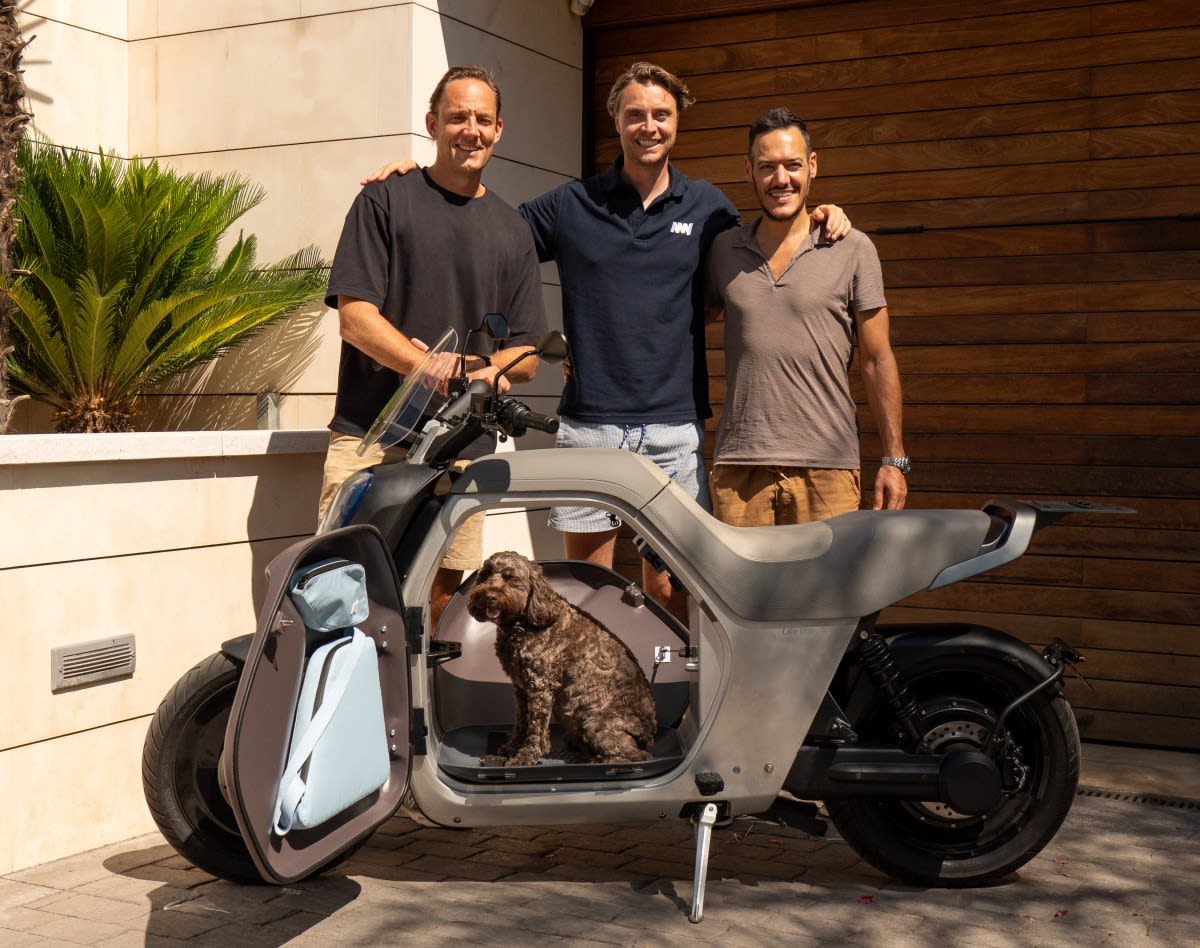
Belgian startup Any has introduced the LUV1, a modular electric motorcycle designed to bridge the gap between cargo bikes and traditional cars. With 120 liters of storage and a top speed of 100 km/h, it aims to redefine urban mobility by offering practical utility without sacrificing performance.
Redefining Urban Mobility: The LUV1 Innovation
Urban mobility in Europe remains heavily reliant on traditional automobiles, despite a cultural shift toward walking and public transit in many metropolitan centers. The Belgian startup Any is attempting to disrupt this ingrained reliance on four-wheeled transport by introducing the LUV1, a modular electric motorcycle that prioritizes utility. By focusing on the "designed for real life" philosophy, the company is addressing the primary barrier to motorcycle adoption: the lack of sufficient storage capacity for daily errands, professional equipment, or personal cargo.
The Cargo Capacity Breakthrough
The standout feature of the LUV1 is its innovative integration of 120 liters of cargo space. Unlike traditional motorcycles that prioritize aesthetic minimalism or performance, the LUV1 acts as a functional hybrid. By providing enough room for bags, work tools, or even pets, the startup is directly challenging the utility of the car trunk. This design choice is critical, as it effectively bridges the gap between the agility of a two-wheeler and the practical, load-bearing capabilities of a passenger vehicle.
Performance Meets Versatility
A significant hurdle for existing cargo bikes has been their inherent speed limitations, which often restrict them to slower bike lanes and city centers. Any seeks to overcome this by ensuring the LUV1 does not sacrifice performance for storage. Capable of reaching top speeds of 100 km/h (62 mph), the LUV1 is designed for broader urban and suburban use. This speed profile allows riders to keep pace with traffic on arterial roads, making it a viable primary vehicle rather than just a niche secondary option.
Addressing the "Missing Link" in Transit
The concept of the "missing link" in urban transit refers to the utility gap left when a commuter transitions from a car to a motorcycle. By effectively replacing the functionality of a car trunk, the LUV1 targets the specific pain points of modern commuters who require versatility. This modular approach suggests a shift toward more sustainable, space-efficient transport that does not force the user to choose between speed and the ability to transport goods.
Future Trends in Electric Mobility
As electric two-wheelers gain a stronger foothold in the European market, the success of startups like Any will likely depend on how well they can integrate into the existing infrastructure while providing a tangible upgrade to the user experience. If the LUV1 proves successful, we may see a broader industry trend toward modular designs that prioritize cargo volume. This evolution could signal a turning point where electric motorcycles become the preferred choice for urban dwellers who previously felt tethered to their cars by the need for storage space.
Conclusion
In summary, the LUV1 represents a sophisticated attempt to solve the logistical challenges of modern urban living. By combining high-speed capabilities with significant cargo volume, Any is positioning its product as a direct competitor to the traditional car. If the startup can successfully scale its vision of "designed for real life" mobility, it could play a pivotal role in reducing urban congestion and shifting the paradigm of how we transport ourselves and our belongings through our cities.