Nicola Coughlan and Matt Lucas among stars backing campaign against AI voice cloning
Source Entity
Jamie Grierson
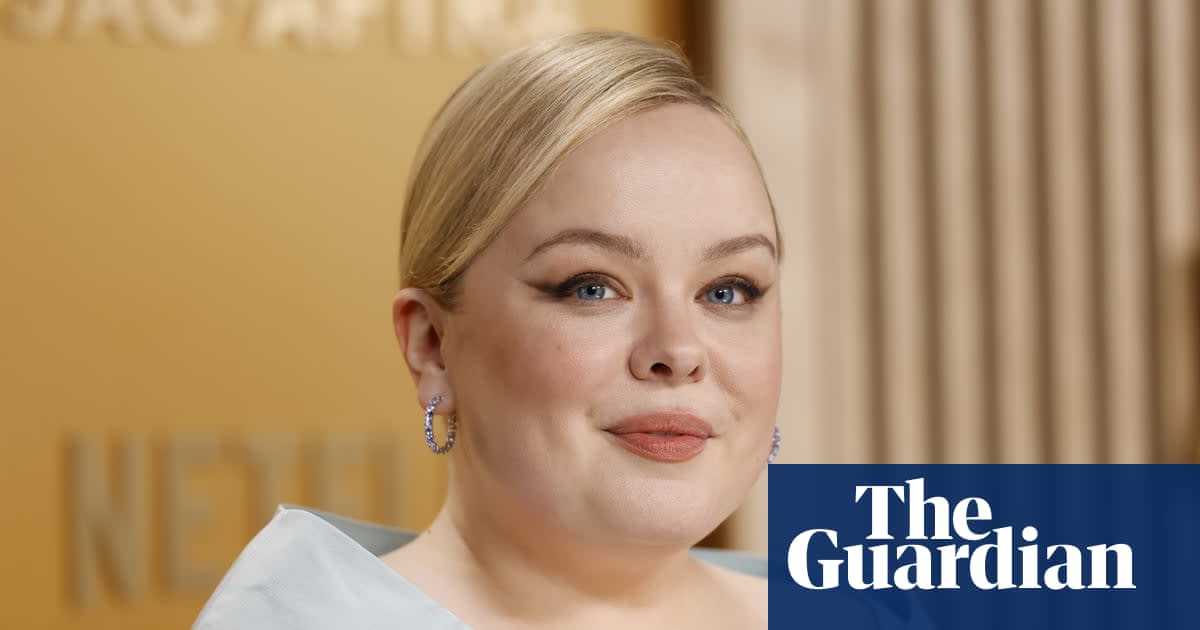
Prominent UK performers, including Matt Lucas and Hugh Bonneville, have launched the 'Save Our Voices Now' campaign. They are petitioning the government for legal ownership of their voices to prevent unauthorized AI replication.
The Battle for Vocal Sovereignty: Performers Take a Stand Against AI
In an unprecedented push for intellectual property reform, a cohort of over 80 high-profile performers—including Matt Lucas, Hugh Bonneville, and Nicola Coughlan—has formally petitioned the UK government to establish a legal right for individuals to own their voices. The campaign, titled 'Save Our Voices Now,' seeks to address the existential threat posed by generative artificial intelligence, which can now replicate human speech patterns with chilling accuracy. By demanding legislation that mandates consent and ownership, these artists are highlighting a critical gap in current legal frameworks regarding digital identity.
The Human Element in a Digital Age
The core argument put forward by signatories like Siobhán McSweeney and Sandi Thom centers on the intrinsic value of human experience. Performers argue that a voice is not merely a collection of frequencies, but a vessel for 'emotion, life, pain, and joy.' This perspective challenges the utilitarian view of AI as a simple productivity tool, positing instead that art requires a 'human connection' that synthetic mimicry cannot replicate. The fear is that without clear legal boundaries, the unique identity of an individual could be harvested and repurposed without their permission, effectively rendering their creative contribution obsolete.
Legislative Lag and Industry Anxiety
There is a palpable sense of urgency within the creative community, with many actors expressing concern that government regulation is failing to keep pace with the rapid advancement of AI technology. While AI offers potential benefits as a collaborative tool, the current lack of protections leaves artists vulnerable to deepfakes and unauthorized vocal cloning. By petitioning the Prime Minister and local leaders like Andy Burnham, the 'Save Our Voices Now' campaign is attempting to force the issue into the national spotlight, arguing that digital identity should be treated with the same legal rigor as physical property.
Broader Implications for Intellectual Property
This movement signifies a broader shift in how society views the intersection of technology and human rights. As AI tools become more democratized, the potential for abuse—from identity theft to the fabrication of political statements—grows exponentially. If the campaign succeeds in securing legal ownership of voices, it would set a significant global precedent for how countries handle 'personality rights' in the digital era. It forces a debate on whether personal identity is a commodity that can be scraped and sold, or a fundamental human right that must be shielded from automation.
Future Trends and the Path Forward
The outcome of this petition could dictate the future of the entertainment industry and beyond. If the UK government moves to codify vocal ownership, it may compel tech companies to develop more ethical AI models that prioritize consent-based systems. Conversely, if no action is taken, the creative industries may face a period of significant volatility as performers struggle to defend their likenesses against an increasingly capable technological adversary. Ultimately, this campaign is a call to define the boundaries of human agency in a world where the line between the real and the synthetic is becoming increasingly blurred.