Appeals court rules that states can regulate Kalshi’s sports prediction markets, dealing another legal blow to platforms
Source Entity
US Top News and Analysis
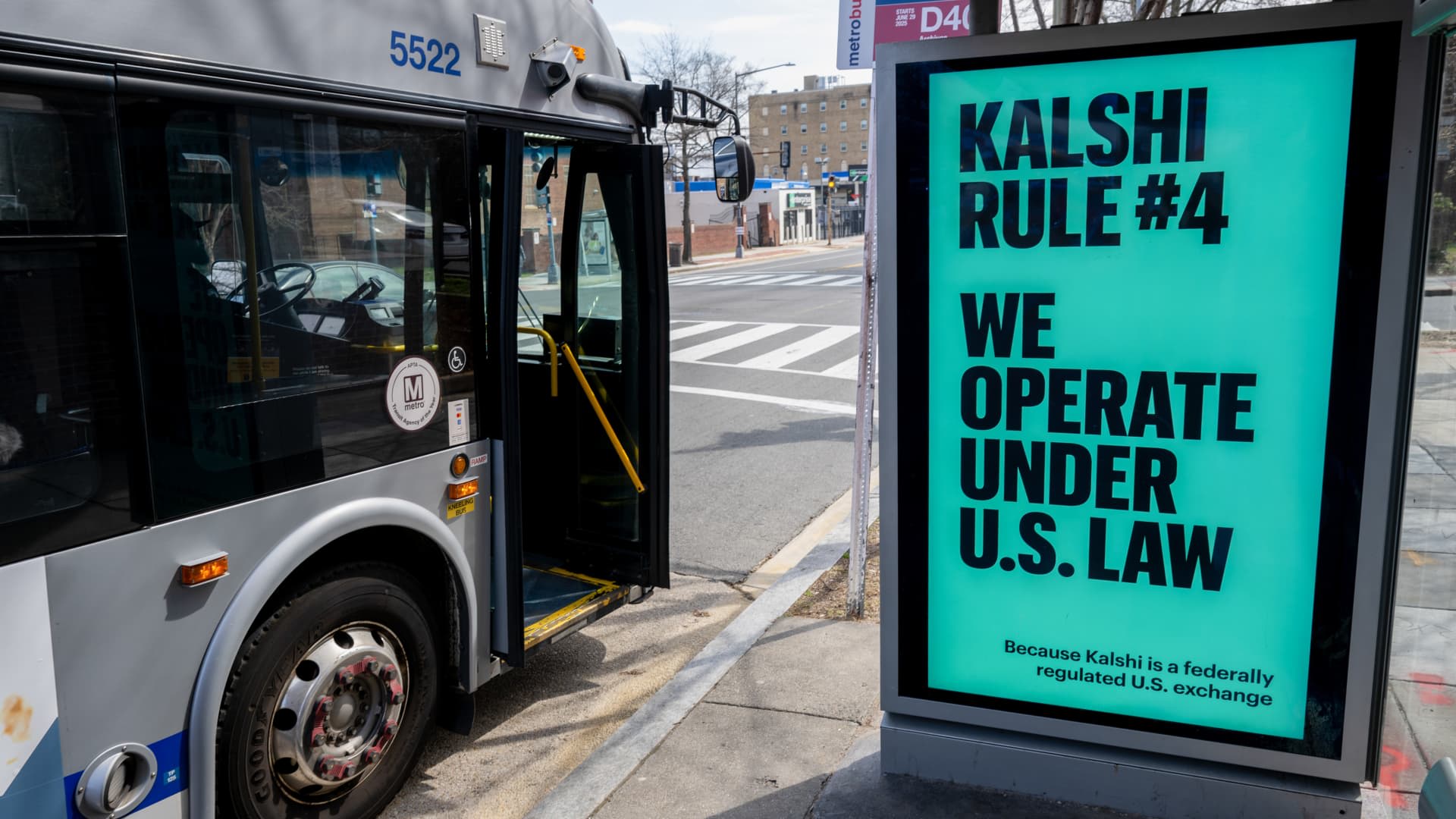
The 6th U.S. Circuit Court of Appeals has ruled that states can apply local gambling laws to Kalshi's sports prediction markets. This decision rejects the claim that these contracts are financial swaps under federal jurisdiction, paving the way for potential Supreme Court intervention.
Regulatory Setback for Prediction Markets
The 6th U.S. Circuit Court of Appeals has delivered a significant blow to the burgeoning prediction market industry, ruling unanimously that states maintain the authority to regulate sports-related event contracts. This decision, which specifically empowers Ohio and Tennessee to apply their local gambling statutes to platforms like Kalshi, underscores a growing friction between innovative financial technology and traditional state-level oversight.
The 'Swap' vs. 'Gambling' Debate
At the heart of this legal battle is the classification of prediction markets. Kalshi and similar platforms have long contended that their offerings constitute 'swaps'—a specific class of financial derivatives. By framing these contracts as financial instruments, these companies seek to fall under the exclusive jurisdiction of the Commodity Futures Trading Commission (CFTC), which would effectively preempt state gambling regulations. However, the court’s opinion explicitly rejected this, stating that Kalshi failed to meet the statutory definition of a swap, thereby denying them federal regulatory protection.
Implications for State Authority
This ruling marks the second time in less than a month that an appeals court has affirmed the role of states in regulating sports-related contracts. By validating the right of states like Ohio and Tennessee to enforce their own gambling laws, the judiciary is signaling a preference for local sovereignty in matters of speculative betting. This creates a fragmented regulatory landscape where platforms must navigate a patchwork of state-by-state compliance rather than relying on a single, uniform federal framework.
A Looming Supreme Court Confrontation
As these platforms face mounting legal hurdles, the industry appears to be heading toward a showdown at the U.S. Supreme Court. The consistency of recent appellate rulings suggests that the lower courts are skeptical of the industry's attempt to bypass state gambling laws through the 'swap' classification. A Supreme Court review would likely focus on the broader statutory interpretation of the Commodity Exchange Act and how it intersects with the historical rights of states to police gaming activities within their borders.
Future Trends and Industry Outlook
Looking forward, the prediction market sector faces an era of heightened volatility and regulatory scrutiny. If the courts continue to uphold state-level authority, platforms like Kalshi may be forced to radically alter their business models or obtain state-by-state licensing, a process that is both costly and complex. This legal environment may deter new entrants to the market while incentivizing established players to seek legislative clarity at the federal level to resolve the ongoing jurisdictional conflict between the CFTC and state regulators.