Apple is racing to make Siri more agentic
Source Entity
Terrence O’Brien
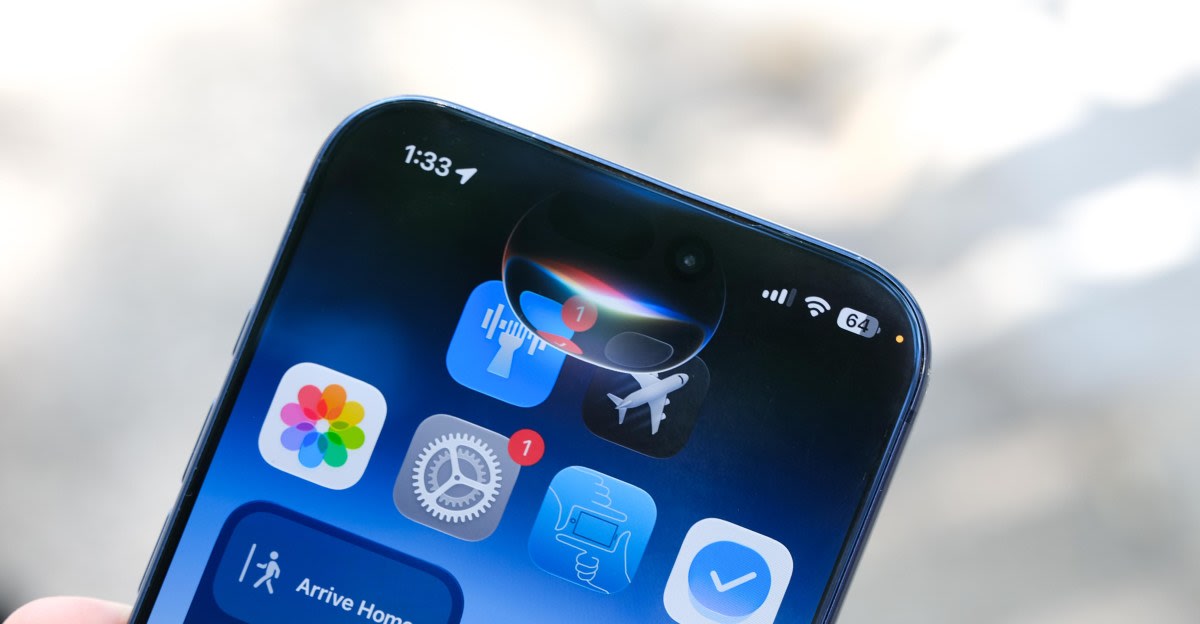
Apple is accelerating its Siri development under executive pressure to create a competitive AI agent. The company plans to introduce fine-grained app control to narrow the gap with industry rivals.
Apple's Strategic Pivot Toward Agentic AI
Apple is currently navigating a pivotal transition in its software strategy, as reported by Bloomberg’s Mark Gurman. The company’s leadership, specifically CEO John Ternus, is exerting significant pressure on AI lead Craig Federighi to accelerate the development of a more capable, 'agentic' version of Siri. This initiative is a direct response to the rapidly evolving landscape of artificial intelligence, where competitors like OpenAI and Meta are setting the standard for autonomous task execution.
The Competitive Landscape
The urgency behind this mandate stems from the emergence of advanced AI agents such as OpenAI's 'Dots' and Meta's 'Muse.' These platforms represent a shift from simple conversational bots to systems capable of complex, multi-step actions on behalf of the user. Apple, long known for its privacy-first and controlled ecosystem approach, currently finds itself in a race to prove that its proprietary intelligence can match the sophisticated automation capabilities demonstrated by these industry rivals.
Internal Challenges and Progress
Despite the immense pressure, Craig Federighi and his team have managed to deliver a functional version of the new Siri AI on an accelerated timeline. However, internal transparency remains high; there is a clear acknowledgment within Apple that these initial iterations are merely a starting point. The company harbors no illusions about the current state of its AI capabilities relative to the rest of the market, viewing this as a long-term developmental marathon rather than a singular release.
Enhancing User Experience Through App Integration
To bridge this gap, Apple is focusing on deep integration within its software ecosystem. Future updates are expected to grant Siri fine-grained control over first-party applications. For example, users will soon be able to leverage voice commands or automated prompts to perform specific tasks such as rotating and cropping images directly within the Photos app. This move is designed to transform Siri from a passive assistant into an active tool that streamlines daily workflows.
Broader Implications and Future Trends
This shift toward agentic AI signals a fundamental change in how users will interact with Apple devices in the coming years. By prioritizing deep-level app control, Apple is betting on the idea that the most valuable AI is the one that understands and manipulates the user's existing data and tools seamlessly. As this technology matures, we can expect Apple to continue expanding these capabilities, eventually allowing for more complex, cross-app automation that could redefine the mobile computing experience.
Conclusion
Apple’s current trajectory confirms that the company is no longer content with being a follower in the AI space. By forcing an accelerated roadmap and focusing on functional, high-utility features, Apple is positioning itself to regain its footing in the AI sector. While the road ahead requires significant technical maturation, the focus on integrating AI into the core of the iOS experience suggests a deliberate and strategic attempt to reclaim market leadership.