Apple Intelligence approved for launch in China with Alibaba’s Qwen AI
Source Entity
Sarah Perez
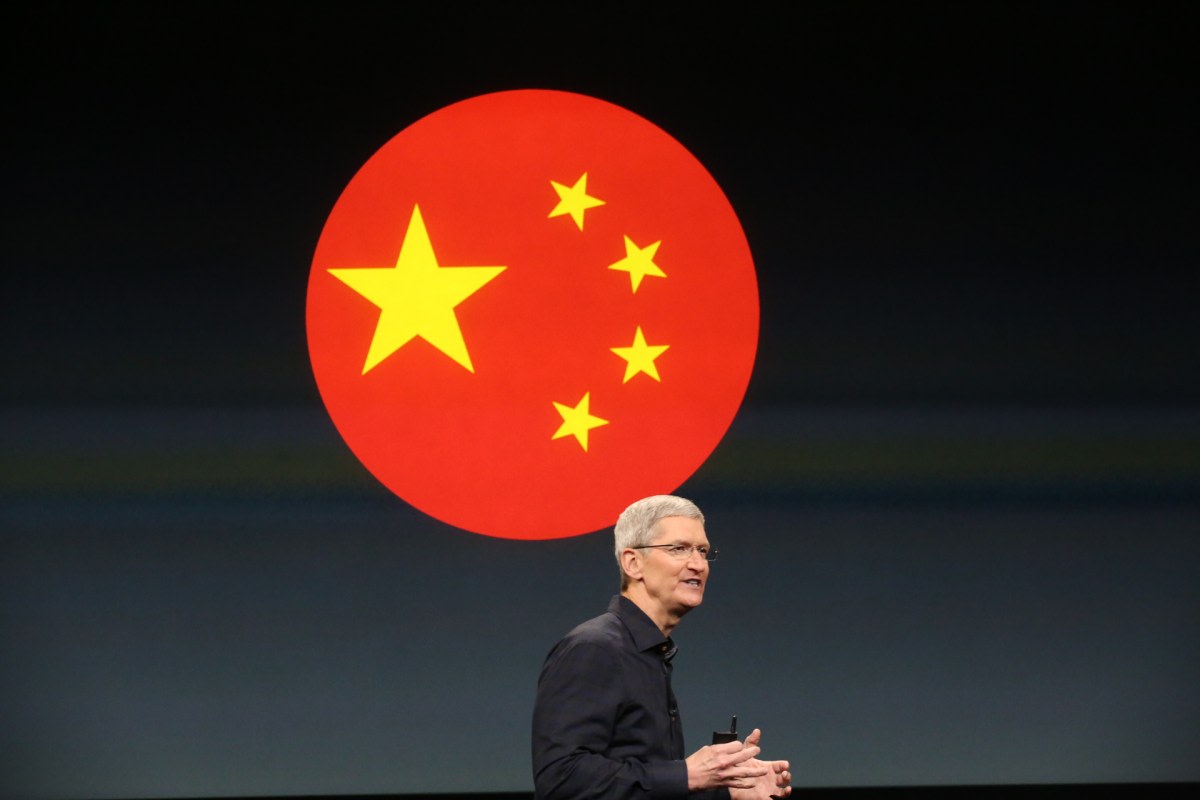
Apple has secured regulatory approval to launch Apple Intelligence in China through a strategic partnership with Alibaba, integrating Alibaba's Qwen AI models into its ecosystem to comply with local laws.
Apple's Strategic Pivot: Bringing Intelligence to the Chinese Market
Apple's announcement that Apple Intelligence has been approved for launch in China via a partnership with Alibaba marks a pivotal moment in the company's struggle to balance global product consistency with stringent local regulations. China remains one of Apple's most critical revenue drivers, yet it presents perhaps the most challenging regulatory environment for generative AI in the world. By integrating Alibaba's Qwen AI models, Apple is not merely adding a feature; it is navigating a complex geopolitical and legal landscape to ensure its hardware remains competitive against domestic rivals.
The Necessity of Local Partnerships
For most of the world, Apple Intelligence relies on a mix of on-device processing and a partnership with OpenAI. However, China's Cyberspace Administration (CAC) mandates that any generative AI service available to the public must undergo a rigorous security assessment and adhere to strict content moderation guidelines. Because US-based models like GPT-4 often fail to meet these specific ideological and regulatory requirements, Apple's decision to partner with Alibaba is a pragmatic necessity. Alibaba's Qwen AI is already vetted and compliant with Chinese law, providing Apple with a "turnkey" solution to bring generative capabilities to the iPhone, iPad, and Mac without risking a total ban of its AI services.
Competitive Dynamics and Market Pressure
This move is largely a response to the intensifying competition from domestic Chinese OEMs such as Huawei, Xiaomi, and Oppo. These companies have already integrated sophisticated, localized AI assistants that are deeply entwined with the local app ecosystem (e.g., WeChat, Alipay). If Apple had delayed the rollout of Apple Intelligence in China, it would have faced a significant "feature gap," potentially accelerating the migration of high-spending users toward domestic alternatives. By leveraging Qwen, Apple ensures that its users in China receive a high-quality, LLM-powered experience that understands the nuances of the Chinese language and cultural context better than a translated Western model could.
Data Sovereignty and Technical Integration
One of the most critical aspects of this partnership is the management of data. China's Data Security Law and Personal Information Protection Law (PIPL) strictly regulate how data is transferred across borders. The integration of Alibaba's Qwen models suggests a localized infrastructure where data processing occurs within Chinese borders. This likely involves a hybrid architecture where on-device processing handles simple tasks, while more complex generative queries are routed to Alibaba's cloud servers located in China. This architecture allows Apple to maintain its privacy-first branding while satisfying the state's requirement for data sovereignty.
Broader Implications for Big Tech
Apple's approach provides a blueprint for other American technology firms attempting to operate in China. It demonstrates that the era of "one global product" is effectively over for AI; instead, we are entering an era of "fragmented AI," where the underlying intelligence of a device changes based on the jurisdiction. This partnership signals that Apple is willing to compromise on its preference for vertical integration—where it controls every layer of the stack—in exchange for market access. It acknowledges that in the realm of generative AI, local regulatory alignment is more valuable than architectural purity.
Conclusion: A Calculated Win-Win
In summary, the approval of Apple Intelligence in China via Alibaba's Qwen AI is a calculated strategic victory for both entities. Apple secures its foothold in a vital market and protects its hardware sales, while Alibaba gains an unprecedented distribution channel, placing its AI models into the hands of millions of premium device users. While this creates a divergent user experience between the West and China, it is the only viable path forward for Apple to remain relevant in the world's second-largest economy during the generative AI revolution.