Apple iPhone Duo review: the most novel and interesting iPhone in almost a decade
Source Entity
Samuel Gibbs Consumer technology editor
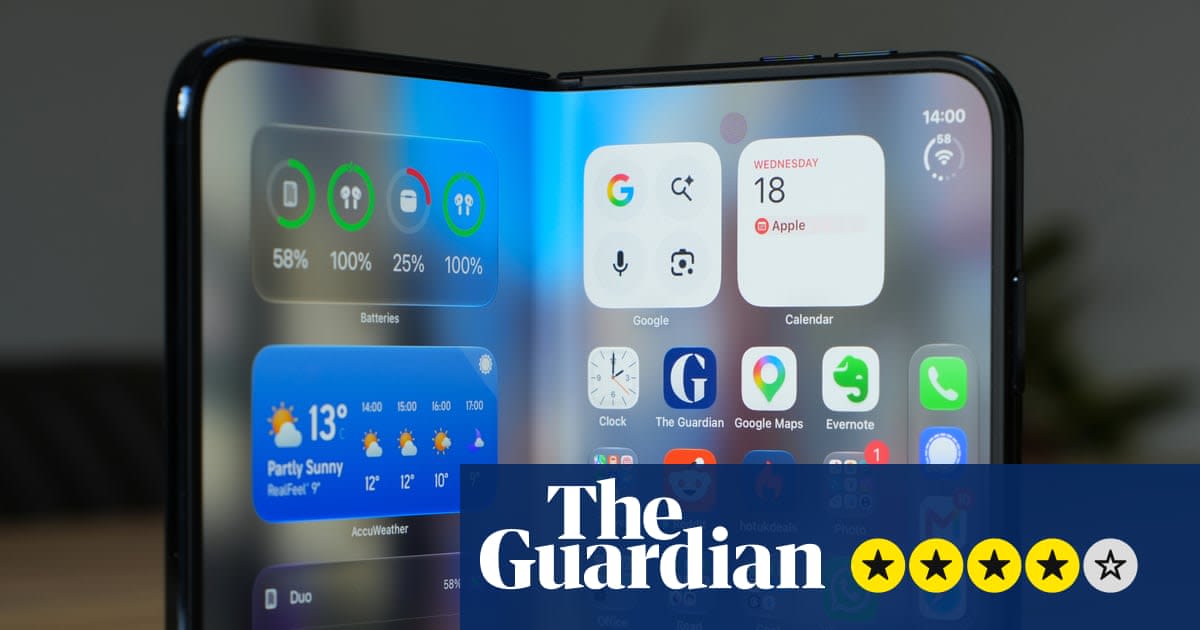
Apple has entered the foldable smartphone market with the iPhone Duo, a premium device priced at $1,999. This unique, wide-format handset aims to bridge the gap between a smartphone and a tablet, challenging existing Android folding form factors.
The Era of the Foldable iPhone: A Paradigm Shift
Apple has officially entered the foldable smartphone market with the release of the iPhone Duo, marking the most significant design shift for the company in nearly a decade. By moving away from the traditional slab-style smartphone, Apple is attempting to redefine the utility of mobile computing. The Duo is not merely a hardware iteration; it represents a fundamental change in how users interact with their devices, blending the portability of a phone with the screen real estate of a tablet.
Pricing and Market Positioning
At a starting price of $1,999 (£1,999/€2,299/A$3,499), the iPhone Duo occupies the ultra-premium tier of the consumer electronics market. This price point places the device significantly above most competing folding Android smartphones and positions it as a luxury investment, rivaling the combined cost of an iPhone 18 Pro Max and an iPad mini. This aggressive pricing strategy suggests that Apple is targeting power users and early adopters who demand a singular, high-performance device that can handle both professional and recreational tasks.
Design Philosophy: Squat, Wide, and Weighty
Unlike the tall, narrow aspect ratios popularized by eight years of folding Android handsets, the iPhone Duo utilizes a squat, wide, and noticeably weighty form factor. This design choice represents a bold departure from industry standards. The exterior features a 5.4-inch display that offers high brightness and smooth refresh rates, while the internal mechanism opens like a book to reveal a sprawling 7.6-inch display. This physical configuration aims to provide a more natural reading and viewing experience, though it requires users to adapt to a different tactile feel.
Bridging the Phone-Tablet Divide
The core value proposition of the iPhone Duo is its versatility. It is explicitly designed to replace both a standard smartphone and a tablet, functioning as a hybrid device. However, as noted in initial reviews, it does not perfectly mimic either. It occupies a unique middle ground—it is neither a traditional iPhone nor a standard iPad. This hybrid nature creates a learning curve, as the software must balance mobile-first interactions with tablet-grade multitasking capabilities.
Broader Implications and Future Trends
The launch of the Duo signals that Apple believes foldable technology has reached a level of maturity suitable for its ecosystem. By entering this space, Apple is likely to accelerate the adoption of foldable displays across the industry. Future trends will likely see Apple refining the weight and thickness of the device while optimizing iOS to better utilize the unique screen real estate. As the market reacts to the Duo, we can expect a pivot in how competitors design their own foldables to account for the new standards set by Apple's design choices.
Conclusion
The iPhone Duo is a bold, experimental step for Apple. While its high price tag and unconventional form factor may limit its immediate mass appeal, it succeeds in challenging the status quo. Whether it becomes the standard for future mobile computing or remains a niche luxury item will depend on how effectively Apple integrates its software ecosystem to make the 'Duo' experience feel essential rather than merely novel.