Microsoft President on recent global outage: It was basically a perfect storm of ...
Source Entity
TOI TECH DESK
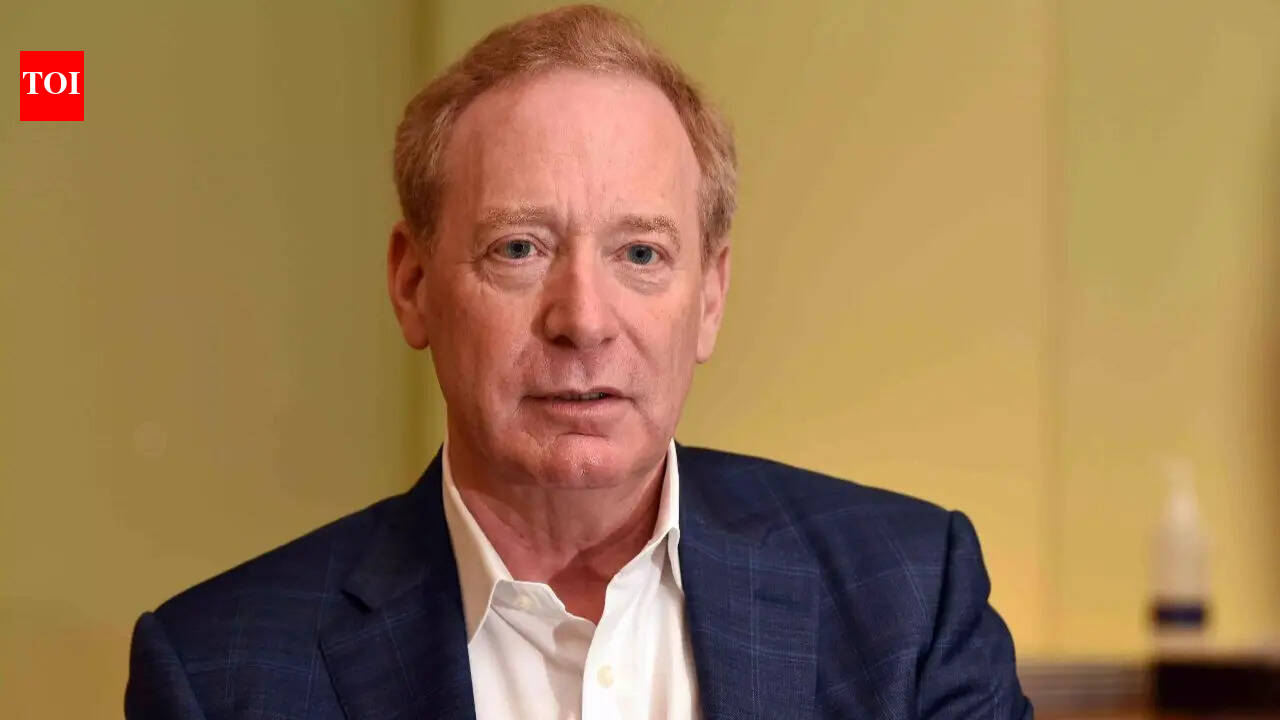
Microsoft President Brad Smith attributed a recent global service outage to a complex interaction between legacy software and new updates. He warned that global infrastructure remains vulnerable, and comprehensive security upgrades will likely take months to complete.
Understanding the Microsoft Global Outage
Recent disruptions to Microsoft’s suite of services, including Outlook, have highlighted the fragile nature of modern global digital infrastructure. Microsoft President Brad Smith has characterized the event not as an external malicious act, but as a "perfect storm" caused by the collision of legacy software—updated four months prior—and a sudden shift in network traffic coupled with new software updates. This incident serves as a stark reminder of how interconnected and interdependent modern enterprise systems have become, where a minor discrepancy in update compatibility can cascade into a global service failure.
Dispelling Myths: Cyberattacks and AI
In the wake of the outage, speculation regarding the involvement of artificial intelligence or state-sponsored cyberattacks was rampant. Brad Smith has explicitly dismissed these theories, reinforcing that the failure was a technical internal conflict rather than a security breach. By ruling out AI-driven interference, Smith underscores the reality that even without malicious intent, the sheer complexity of modern software environments creates inherent risks that are difficult to predict and mitigate.
The Challenge of Legacy Infrastructure
At the heart of the issue is the persistent problem of aging IT infrastructure. Organizations worldwide often rely on software that, while functional, lacks the modular flexibility required for seamless integration with contemporary updates. Smith’s commentary emphasizes that the path toward stability requires a fundamental shift in how organizations handle patching practices. The "perfect storm" described by Microsoft is a symptom of a broader industry struggle: balancing the need for constant innovation and feature deployment with the stability requirements of legacy systems.
A Long Road to Recovery and Resilience
Smith has cautioned that the risks of further disruptions may persist for several months. This is not a problem that can be rectified in a matter of weeks, as it involves a global effort to replace outdated infrastructure and standardize patching protocols. The scale of this technical remediation is immense, requiring coordination between software providers and the organizations that deploy them to ensure that future updates do not trigger similar cascading failures.
Future Implications for Global Tech
Looking ahead, the role of AI in security remains a double-edged sword. While Smith noted that AI can assist defenders in identifying code vulnerabilities, it simultaneously provides bad actors with new avenues to exploit those same weaknesses. As Microsoft works to increase transparency—evidenced by their publication of detailed minute-by-minute reports—the industry must pivot toward a more proactive, rather than reactive, approach to infrastructure management. The coming months will be critical for global technology stability as organizations move to close the gaps in their software ecosystems.