Apple reveals new Mac security controls as AI agents raise privacy risks
Source Entity
Sarah Perez
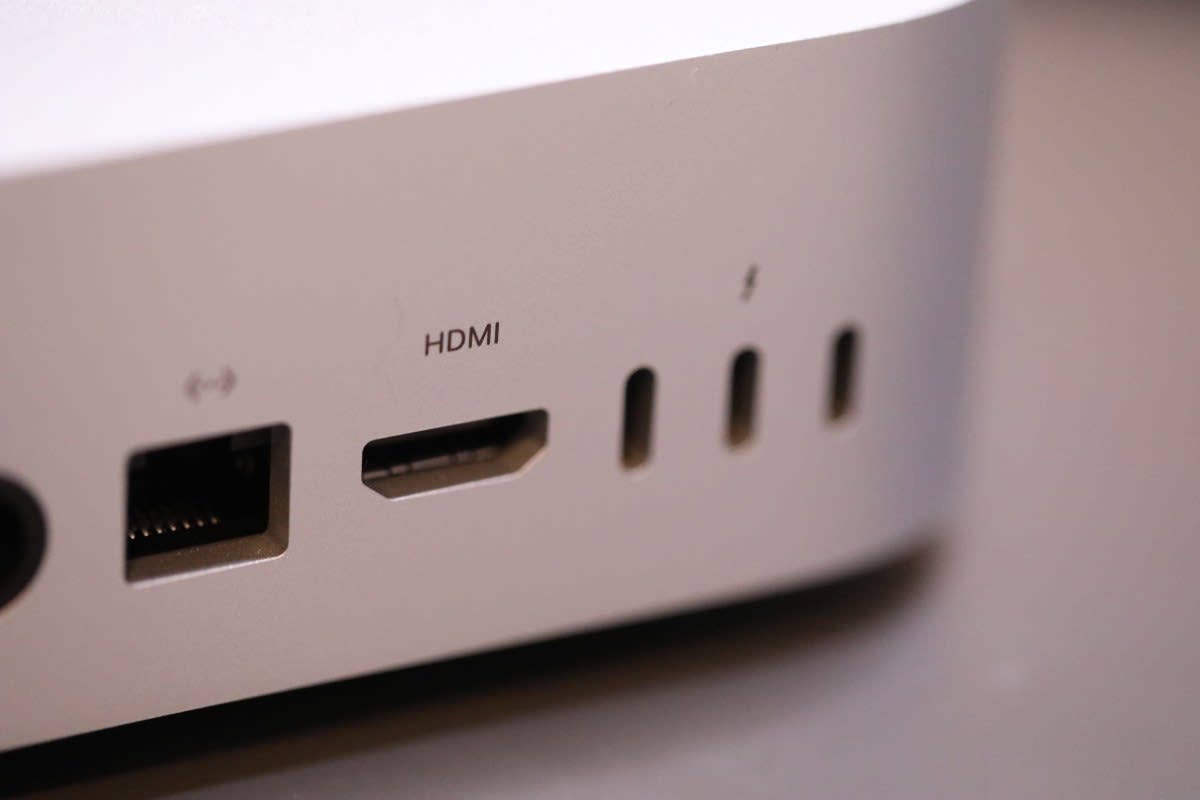
Apple has introduced enhanced security controls in macOS 27.3 to mitigate privacy risks posed by autonomous AI agents. These updates focus on stricter permission protocols and user transparency regarding full disk access.
Apple Updates macOS Security to Counter AI Agent Privacy Risks
Apple has officially detailed a new suite of security controls coming to macOS 27.3, responding to the escalating privacy concerns surrounding autonomous AI agents. Following an initial announcement in October, the company has clarified its stance on how these powerful applications interact with sensitive user data. By implementing more rigorous permission requirements and transparency warnings, Apple aims to safeguard the integrity of the macOS ecosystem against potential overreach by third-party software.
The Shift from Chatbots to Autonomous Agents
The fundamental tension lies in the evolution of AI software. While traditional chatbots operate primarily within a conversational interface, modern AI agents are designed to execute actions directly on a user’s device. These agents can navigate the file system, interact with other applications, and perform tasks on behalf of the user, effectively requiring 'full disk access' to function at peak efficiency. Apple’s latest move is a direct acknowledgment that this level of access creates a massive, unprecedented attack surface for user data.
Prioritizing User Transparency
In a recent blog post directed at developers, Apple emphasized that 'full disk access' is an extraordinary privilege that carries inherent risks. The new security framework mandates that users be explicitly informed about what they are granting when an AI agent requests such permissions. By requiring these warnings, Apple is shifting the burden of security from passive trust to active, informed consent, ensuring that users understand the potential exposure of their entire digital environment.
Balancing Innovation and Security
This development occurs at a critical juncture for Apple’s hardware division. As the company continues to see strong sales for its high-performance Mac mini and Mac Studio computers, it must ensure that these machines remain secure workspaces for professionals. The irony is that these powerful devices are the primary targets for AI agents that require significant local processing power. Apple’s challenge is to foster an environment where AI innovation can flourish without compromising the privacy guarantees that are central to the Mac brand.
Future Implications for App Development
Looking ahead, these changes signal a tightening of the macOS ecosystem. Developers building AI agents will likely face stricter scrutiny and may need to redesign their applications to request more granular, limited permissions rather than blanket full disk access. This trend suggests that the 'wild west' era of AI agent integration is coming to a close, as operating system providers reassert control to maintain user trust.
Conclusion
Apple's proactive measures in macOS 27.3 represent a necessary evolution in cybersecurity. By addressing the unique threats posed by autonomous AI, Apple is setting a new standard for how operating systems manage the balance between advanced functionality and user privacy. As AI agents become more deeply integrated into our daily workflows, such robust permission architectures will become an essential feature of modern computing.