Hyperscale data centers use 2% of US electricity
Source Entity
Scott K. Johnson
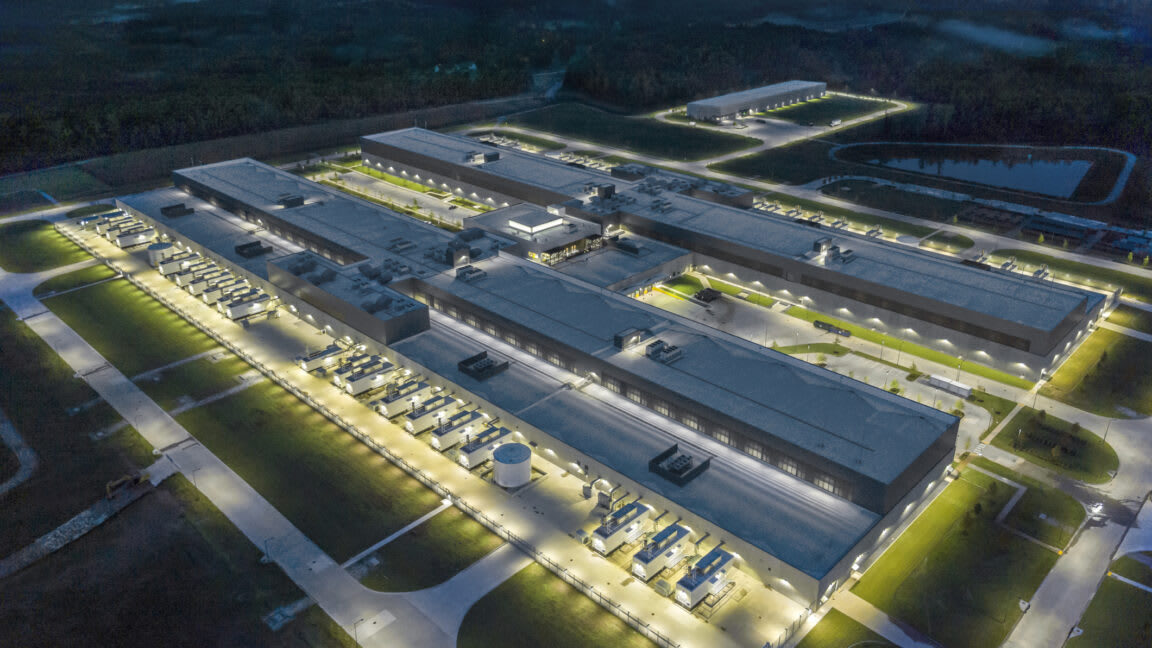
A recent study in Nature Sustainability reveals that US hyperscale data centers now consume more electricity than many mid-sized countries. Driven by the AI boom, these facilities rely heavily on fossil fuels, creating significant environmental challenges.
The Environmental Cost of the AI Revolution
Recent findings published in the journal Nature Sustainability have brought the hidden environmental toll of the artificial intelligence boom into sharp focus. As tech giants scramble to build massive hyperscale data centers to support the processing power required for Large Language Models (LLMs), the collective energy demand of these facilities has surged. Data indicates that these structures, some spanning millions of square feet, now consume more electricity than many mid-sized nations, marking a critical inflection point in the relationship between technological advancement and planetary health.
Fossil Fuel Dependency
Despite ambitious corporate pledges regarding renewable energy, the study highlights that fossil fuels remain the primary source of electricity powering these hyperscale facilities. The rapid, often uncoordinated expansion of data infrastructure has outpaced the development of clean energy grids. Consequently, the energy required to train and deploy generative AI is currently resulting in a substantial and growing volume of greenhouse gas emissions, challenging the narrative that digital progress is inherently efficient or "green."
The Infrastructure Rush
The current "rush" to convert investment capital into physical data centers has created a logistical and regulatory bottleneck. Developers are racing to bring capacity online to stay competitive in the AI arms race, often bypassing the long-term planning required to ensure that electricity supplies are both sustainable and reliable. This frantic pace has made it difficult for researchers and policymakers to even accurately inventory what is being built, let alone mitigate the potential strain on local power grids and ratepayers.
Measuring the Unmeasurable
A central difficulty identified by researchers is the lack of transparency in energy usage. The study, which tracked facilities operating between May 2024 and April 2025, attempted to establish a baseline for energy consumption and emissions. While the researchers could not explicitly differentiate between energy used for traditional cloud services and the specific compute power required for generative AI, the report provides a vital starting point for tracking future trends and holding the industry accountable for its carbon footprint.
Broader Implications and Future Trends
The findings underscore a fundamental misconception: that the environmental footprint of AI is a fixed, immutable property of the technology. In reality, the carbon intensity of AI is a product of the infrastructure supporting it. As the demand for computing power continues to climb, the industry faces a binary choice: either modernize the energy grid at an unprecedented scale or accept that the advancement of generative AI will be intrinsically tied to increased fossil fuel dependency. Moving forward, transparency in energy sourcing will be the primary metric by which the tech industry's environmental progress is measured.