RTC deploys 425 buses to Tirumala for Garuda Seva amid passenger surge
Source Entity
India Latest News: Top National Headlines Today & Breaking News | The Hindu
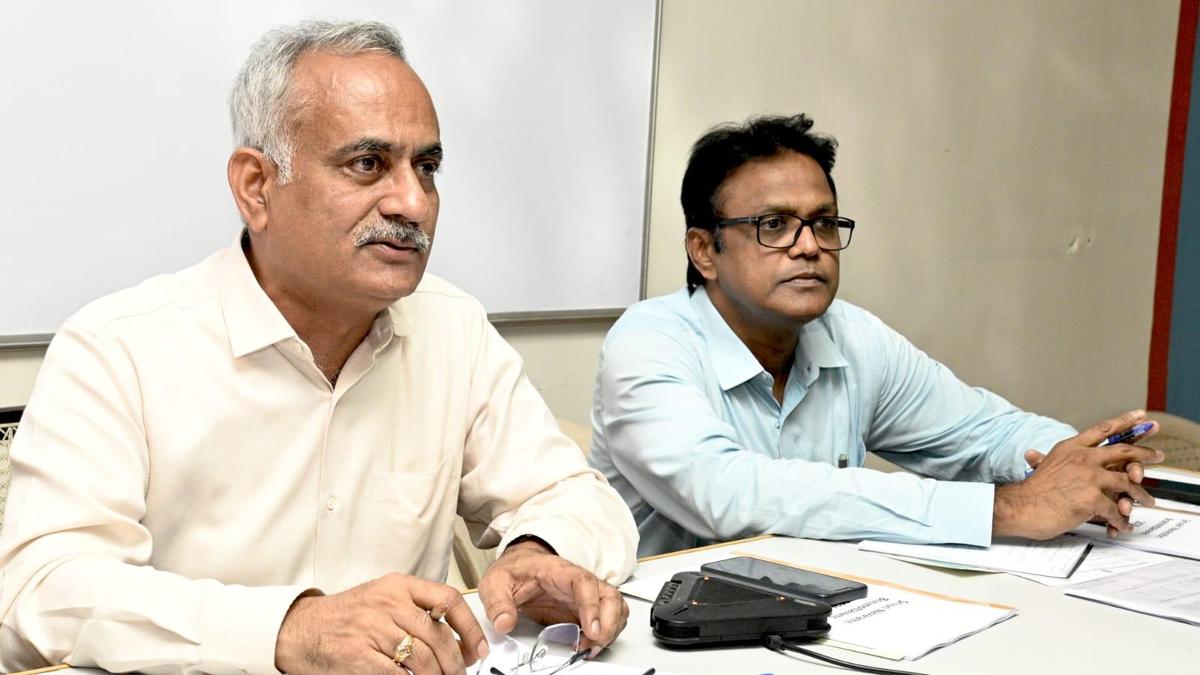
The APSRTC is deploying 425 buses to manage a massive surge in devotees attending the Garuda Seva during Tirumala's Navaratri Brahmotsavams. Officials have optimized operations to ensure high-frequency transit to meet the expected 25% increase in passenger traffic.
Massive Transit Mobilization for Tirumala Garuda Seva
In a significant logistical undertaking, the Andhra Pradesh State Road Transport Corporation (APSRTC) has announced the deployment of 425 buses to facilitate travel to Tirumala for the Garuda Seva. This event, held during the ongoing Navaratri Brahmotsavams, represents the most critical day of the festival, drawing immense crowds to the hill shrine. By planning 6,354 trips on the ghat roads, the corporation aims to prevent gridlock and ensure the safety of thousands of pilgrims.
Strategic Planning and Resource Allocation
The decision to scale operations was formalized during a review meeting led by K.K.R. Kishore, the Zonal Executive Director of the APSRTC Kadapa zone. To meet the surge, the corporation is pooling resources from neighboring districts, showcasing a high level of inter-district coordination. The objective is to maintain a seamless flow of traffic, with plans to run two buses every minute, effectively creating a 'conveyor belt' system designed to minimize wait times for devotees at the base stations.
Addressing the Peak Passenger Surge
Officials anticipate a 20-25% increase in passenger traffic compared to regular festival days. The Garuda Seva is historically the most sought-after procession, often attracting the largest footfall of the entire year. Managing this volume requires not only fleet strength but also precise timing to ensure that the ghat road capacity is not exceeded, which could lead to dangerous congestion on the steep incline leading to the temple.
The Logistics of the Ghat Road
The Tirumala ghat roads present unique topographical challenges, necessitating strict adherence to safety protocols. By centralizing the bus deployment strategy, the APSRTC is mitigating the risks associated with private vehicle overcrowding. This state-led transit intervention ensures that public infrastructure remains the primary mode of access during the high-pressure window of the Brahmotsavams.
Broader Implications for Pilgrimage Management
This mobilization highlights the complexities of managing mass religious tourism in India. As Tirumala continues to see record-breaking numbers of devotees, the reliance on robust public transport becomes a matter of public safety and administrative efficiency. The success of this operation serves as a blueprint for future large-scale events, proving that inter-district resource pooling is essential for handling sudden, massive spikes in demand.
Conclusion
The deployment of 425 buses for the Garuda Seva is a testament to the APSRTC’s commitment to facilitating spiritual travel under extreme conditions. By proactively addressing the expected 25% surge in traffic, authorities are prioritizing the well-being of pilgrims while maintaining the operational integrity of the Tirumala transit network during one of the most sacred events in the Hindu calendar.
Verification Required?