AR Murugadoss on Kaththi, Sarkar: ‘Was not done for Vijay’s political aspirations’
Source Entity
The Indian Express
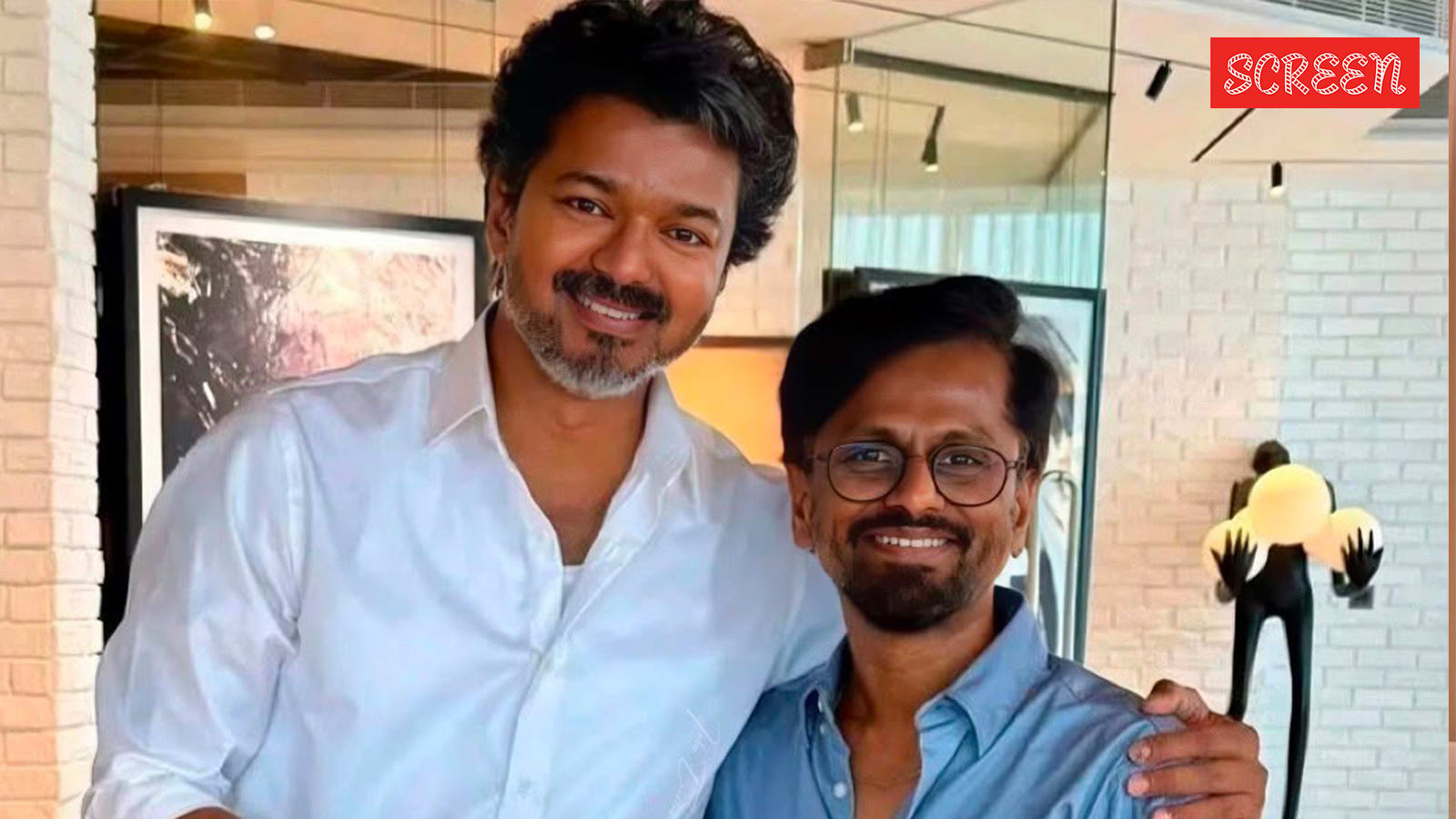
Filmmaker AR Murugadoss has addressed long-running speculation about whether his political dramas with Vijay, particularly Kaththi and Sarkar, were crafted with an eye on the actor’s real-world politi...
The Intersection of Cinema and Statecraft: Analyzing AR Murugadoss's Clarifications
In the vibrant landscape of Tamil cinema, the boundary between celluloid heroism and real-world political leadership has often been porous. The recent statements by filmmaker AR Murugadoss regarding his collaborations with superstar Vijay—specifically the films Kaththi and Sarkar—provide a fascinating glimpse into this dynamic. For years, critics and fans alike have speculated that these films served as a 'soft launch' for Vijay's political career, utilizing high-stakes narratives of social justice and systemic reform to prime the electorate. However, Murugadoss has now explicitly denied these claims, asserting that the scripts were driven by creative storytelling rather than a political blueprint.
The Narrative Architecture of 'Kaththi' and 'Sarkar'
To understand why these speculations persisted, one must look at the thematic core of the films in question. Kaththi dealt with the plight of farmers and the fight against corporate greed in the agricultural sector, while Sarkar focused on electoral integrity and the fight against systemic corruption. Both films positioned Vijay as a messianic figure—a catalyst for change who could dismantle oppressive structures. In the context of Tamil Nadu's political history, where figures like M.G. Ramachandran (MGR) and J. Jayalalithaa transitioned from the screen to the Secretariat, such narratives are rarely viewed as mere entertainment. They are often interpreted as manifestos disguised as movies.
The 'Superstar' Persona and Political Anticipation
Actor Vijay has long enjoyed a massive, loyal following that transcends cinema. His public image has been carefully curated to resonate with the youth and the marginalized, making him a natural candidate for political entry. The anticipation surrounding his official foray into politics (culminating in the formation of his own party, Tamilaga Vettri Kazhagam) created a retrospective lens through which his filmography was analyzed. When a director like AR Murugadoss—known for socially conscious thrillers—teams up with such a figure, the industry often assumes a symbiotic relationship where the film serves the actor's long-term branding strategy.
Creative Autonomy vs. Political Branding
Murugadoss's insistence that these films were not 'done for Vijay's political aspirations' highlights the tension between a director's creative vision and the public's perception. From a filmmaking perspective, political dramas are a staple of commercial cinema because they offer high emotional stakes and a clear moral conflict. By distancing himself from the political narrative, Murugadoss is reclaiming the artistic intent of the work, suggesting that the 'political' nature of the films was a choice of genre and social commentary rather than a calculated move to engineer a political victory.
Broader Implications for the Indian Film Industry
This situation reflects a broader trend in Indian cinema, particularly in the South, where the 'political thriller' has become a primary vehicle for actors to test their ideological waters. Whether it is the depiction of a crusading lawyer or a revolutionary leader, these roles allow actors to gauge public reaction to specific political stances without the risks of formal candidacy. Murugadoss's clarification serves as a reminder that while cinema can influence politics, the intent behind the art is not always aligned with the ambitions of the star.
Conclusion: The Legacy of the Reel Hero
Ultimately, whether Kaththi and Sarkar were intended as political tools or purely as cinematic experiences, their impact on the public psyche remains significant. They reinforced the image of Vijay as a leader capable of challenging the status quo, regardless of the director's original intent. As Vijay moves forward in his political journey, the legacy of these films will likely continue to be debated, serving as a case study in how the power of the silver screen can shape the political imagination of millions.