From Raja and Rani to Mohabbat-E-Sharbat: 3 easy Indian mocktail recipes to elevate your next gathering
Source Entity
Latest News: Today's Latest News Headlines from India & World | Hindustan Times | Hindustan Times
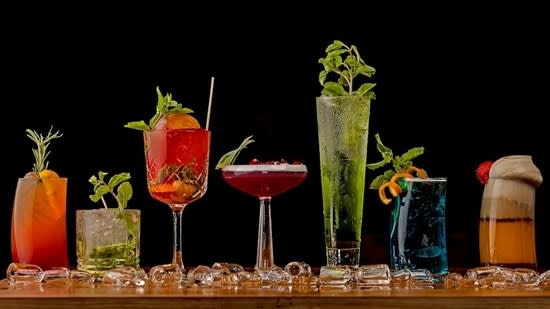
Why settle for traditional coolers? Try these refreshing Indian mocktails inspired by traditional flavours and delight your guests.
Elevating Social Gatherings: The Rise of Traditional Indian Mocktails
In the contemporary landscape of home entertaining, there is a noticeable shift away from generic soft drinks toward curated, flavor-rich experiences. The introduction of recipes such as 'Raja and Rani' and 'Mohabbat-E-Sharbat' signals a broader trend where traditional Indian flavors are being reimagined as sophisticated non-alcoholic beverages. By moving beyond basic 'coolers,' these mocktails offer a way to integrate cultural heritage into modern social settings, providing guests with a sensory experience that is both nostalgic and novel.
The Modernization of Heritage Flavors
The focus on drinks like Mohabbat-E-Sharbat—a beverage traditionally associated with the rich culinary history of North India and the Mughal influence—demonstrates a desire to preserve cultural identity while adapting it for the current palate. The transition from a simple street-side drink to a 'mocktail' for a gathering implies a shift in perception; these beverages are no longer just for thirst quenching but are now centerpieces of hospitality. This trend reflects a wider global movement where ancestral recipes are being 'premiumized' to fit the aesthetic and social requirements of urban hosting.
The Psychology of Thematic Naming
One of the most striking elements of these recipes is the use of evocative naming, such as 'Raja and Rani' (King and Queen). This strategic branding does more than just label a drink; it creates a narrative of royalty and luxury around the consumption experience. By associating a simple mocktail with themes of nobility, the host elevates the perceived value of the gathering. This psychological layering transforms a beverage into a conversation starter, bridging the gap between simple refreshment and an immersive cultural experience.
The Shift Toward Inclusive Social Drinking
The emphasis on 'mocktails' over traditional cocktails highlights a growing preference for inclusive beverage options. Whether driven by health consciousness, religious observances, or the 'sober-curious' movement, there is an increasing demand for drinks that feel celebratory without the inclusion of alcohol. By offering complex, layered flavors inspired by Indian traditions, hosts can ensure that non-drinkers do not feel sidelined, but instead feel they are participating in a gourmet experience that is equally sophisticated to an alcoholic alternative.
Future Trends in Fusion Mixology
Looking forward, it is likely that we will see an increase in 'fusion mixology' where traditional Indian ingredients—such as saffron, cardamom, and rose—are paired with global techniques like molecular gastronomy or artisanal infusions. The success of recipes like those mentioned suggests that consumers are craving authenticity paired with convenience. As people continue to seek 'easy' yet 'elevating' options, the boundary between traditional home-made sharbats and professional mixology will continue to blur, leading to a new era of Indian-inspired beverage culture.
Conclusion
Ultimately, the transition from traditional coolers to curated Indian mocktails represents more than just a change in menu; it is a reflection of evolving social dynamics and a renewed pride in cultural flavors. By integrating drinks like Mohabbat-E-Sharbat and Raja and Rani into their gatherings, hosts are blending the comfort of tradition with the sophistication of modern entertaining, ensuring that the art of hospitality remains vibrant and inclusive.
Verification Required?