Making dressing room hotter, changing meal times: Why Mikel Arteta’s playing wild mind games with Arsenal players
Source Entity
The Indian Express
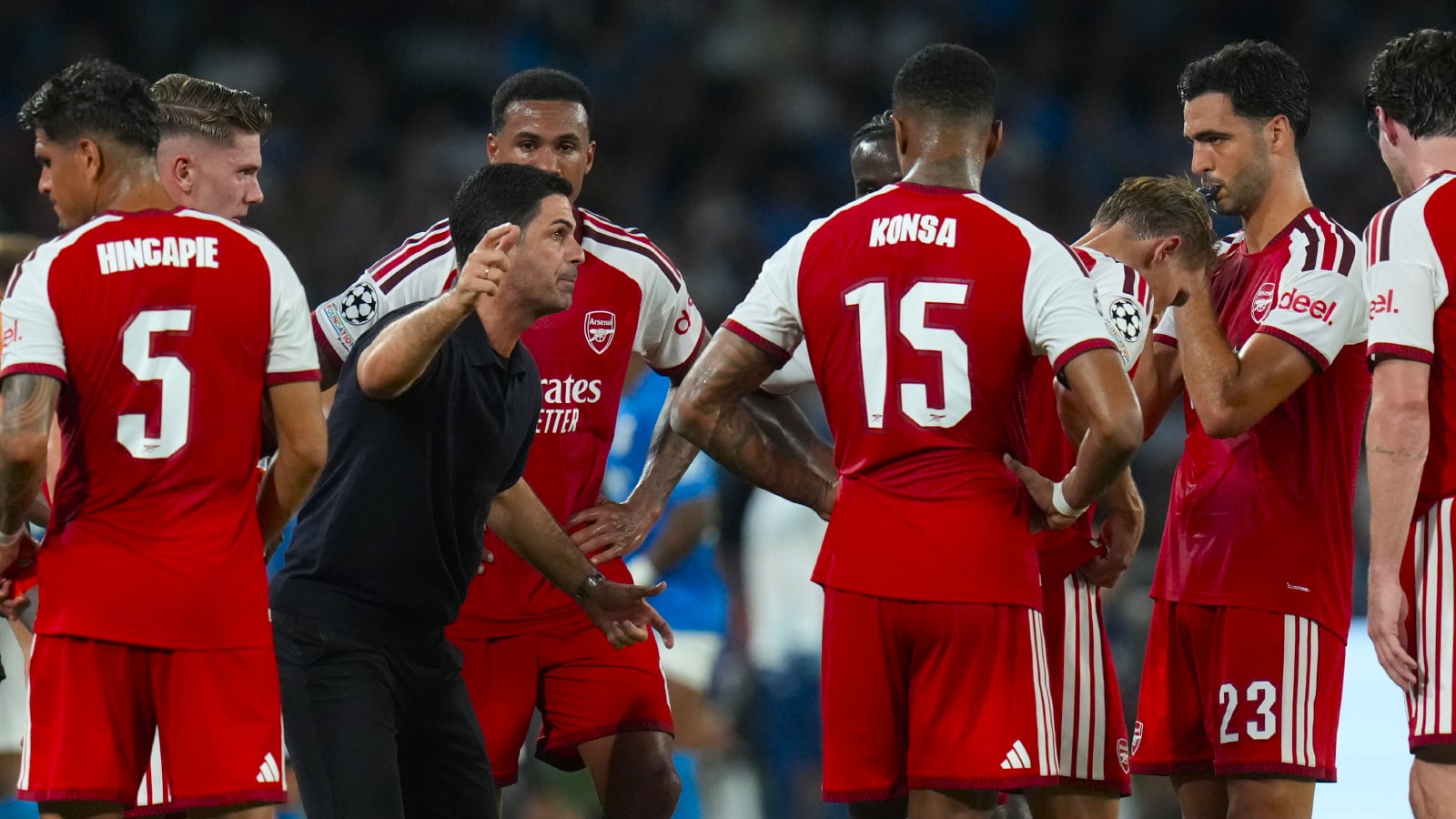
Arsenal manager Mikel Arteta is implementing unconventional psychological tactics, such as adjusting room temperatures and meal times, to build player resilience. These methods aim to prepare the squad for unexpected disruptions during high-pressure Premier League and Champions League campaigns.
The Psychology of Discomfort: Arteta’s New Arsenal Philosophy
Arsenal manager Mikel Arteta has introduced a series of unconventional, high-pressure training tactics designed to fortify his squad for the rigors of the upcoming season. By intentionally manipulating the physical environment—such as raising the temperature in the dressing room—and disrupting established routines like meal times and travel routes, Arteta is attempting to engineer a psychological resilience that transcends traditional physical preparation.
Building Resilience Through Controlled Chaos
The core objective of these tactics is to remove the element of surprise from high-stakes environments. Arteta’s rationale is rooted in the belief that elite athletes often become overly reliant on rigid routines. When those routines are disrupted during critical matches, such as in the Champions League or tight Premier League title races, the resulting disorientation can lead to panic. By forcing players to navigate inconveniences in a controlled setting, Arteta is essentially 'stress-testing' their mental fortitude.
Challenging the Comfort Zone
Beyond simple discomfort, the reduction of massage tables and the constant alteration of logistics serve as a mechanism to prevent complacency. In professional sports, the accumulation of small, convenient habits can lead to a lack of adaptability. By removing these 'crutches,' Arteta is compelling his players to focus on their internal preparation rather than external luxuries. This strategy signals a shift toward a culture where the team must remain functional regardless of the environment.
Historical Context and Modern Management
While unorthodox, Arteta’s approach aligns with contemporary sports psychology, which emphasizes cognitive flexibility. History in top-flight football shows that managers who successfully push players beyond their comfort zones often see improvements in late-game decision-making. As Arsenal seeks to improve upon their recent near-misses in major competitions, this level of psychological conditioning may prove to be the marginal gain required to secure silverware.
Implications for the Competitive Season
As the club pursues both the Premier League title and their maiden Champions League trophy, the effectiveness of these 'mind games' will be closely watched. If the team demonstrates a superior ability to stay composed during unexpected match-day disruptions, it will validate Arteta’s unconventional methodology. Conversely, if these tactics lead to frustration or fatigue, they may face scrutiny. Ultimately, this experiment highlights the intense pressure modern managers feel to find every possible advantage in a hyper-competitive landscape.