'He shouldn't be here': Nasser Hussain bashes Pakistan with Sehwag example
Source Entity
AMIT KUMAR
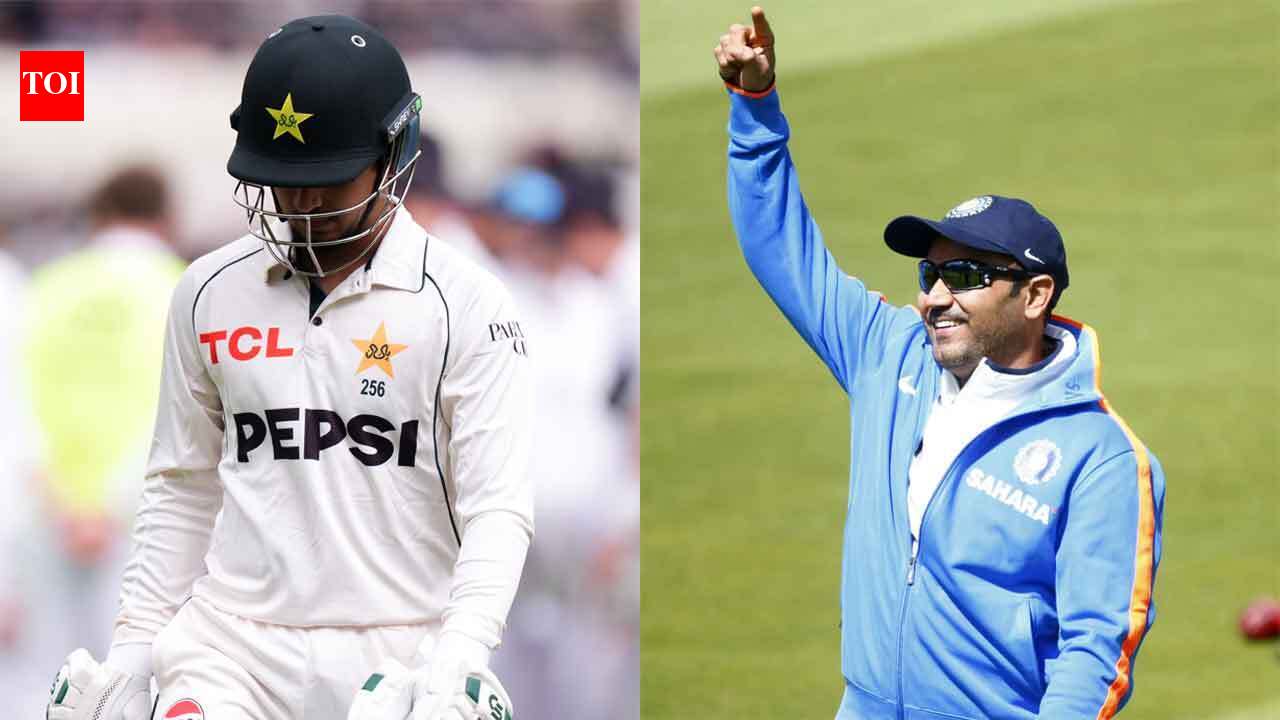
Former England captain Nasser Hussain has heavily criticized the PCB for selecting Saim Ayub for the third Test against England. Ayub, who was selected directly from the Caribbean Premier League, failed to score a run in either innings at Edgbaston, drawing comparisons to Virender Sehwag’s 2011 struggles.
The Crisis of Selection in Pakistan Cricket
The recent performance of the Pakistan Test team against England at Edgbaston has sparked a firestorm of criticism, particularly directed at the Pakistan Cricket Board (PCB) and its selection policies. The central point of contention is the inclusion of opening batter Saim Ayub, who was brought into the squad after a stint in the Caribbean Premier League (CPL). The experiment proved disastrous, with Ayub failing to score in either innings, effectively securing a 'pair' as he was dismissed for ducks by Ollie Robinson on both occasions.
The 'Paratrooping' Controversy
Nasser Hussain, the former England captain and respected pundit, labeled the decision to include Ayub as a 'disrespect and disregard for Test match cricket.' The core of the criticism lies in the lack of preparation; Ayub had not played first-class cricket for a significant period before being thrust into the high-pressure environment of an English Test match. By prioritizing T20 form from the CPL over traditional red-ball domestic experience, the PCB has been accused of failing to uphold the professional standards required for the longest format of the game.
Historical Parallels and Sehwag Comparison
Hussain drew a pointed comparison to India's 2011 tour of England, specifically recalling when Virender Sehwag was brought into the side mid-series at Edgbaston. In that instance, Sehwag also recorded a pair, underscoring the extreme difficulty of transitioning to Test cricket without proper acclimatization. Hussain used this historical context to highlight that regardless of a player's talent, the lack of a proper transition from white-ball leagues to the rigors of Test match conditions is a recipe for failure.
Structural Failures at the PCB
The broader implications of this selection failure reflect a deeper instability within the Pakistan Cricket Board. Under the leadership of Mohsin Naqvi, the board attempted a radical overhaul by replacing seven players in the squad following a defeat at Lord's. However, this reactionary approach has failed to produce results, with the team facing the prospect of losing the third Test well within three days. This suggests that the issues plaguing the side are not merely personnel-based but systemic.
Implications for Future Test Selection
This incident serves as a cautionary tale for cricket boards globally regarding the 'paratrooping' of players from franchise leagues into Test squads. The demands of Test cricket—patience, technique against the moving ball, and mental stamina—are vastly different from the high-tempo nature of the CPL. Moving forward, the PCB will face immense pressure to prioritize domestic first-class performance and structured player development over short-term reactive changes.
Conclusion
Ultimately, the Saim Ayub episode at Edgbaston serves as a microcosm of the current state of Pakistan cricket. The frustration voiced by experts like Nasser Hussain reflects a genuine concern for the sanctity of the Test format. Unless the PCB shifts its focus toward a more disciplined, evidence-based selection policy that values red-ball readiness, the team is likely to continue struggling against top-tier opposition in overseas conditions.