A break that broke Mohammed Siraj and how he rediscovered it
Source Entity
Venkata Krishna B
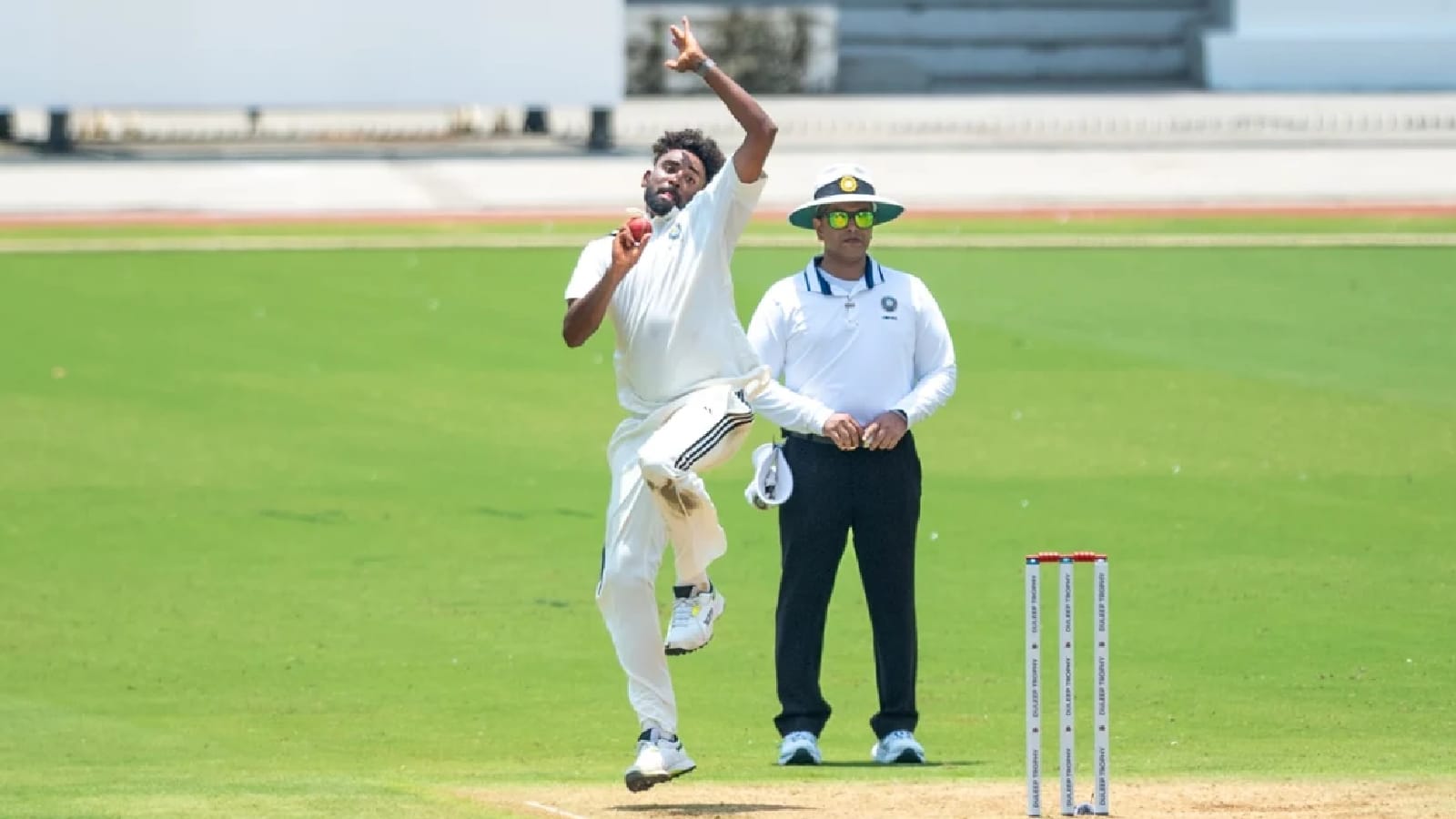
Indian pacer Mohammed Siraj struggled to regain his rhythm and pace after a rare two-month break from international cricket. The hiatus disrupted his physical conditioning, highlighting the unique physiological demands placed on modern-day fast bowlers.
The Paradox of Rest: Mohammed Siraj's Recent Struggle
In the high-octane world of international cricket, the concept of a 'break' is often viewed as a panacea for fatigue. However, for Indian fast bowler Mohammed Siraj, a rare two-month hiatus from the sport proved to be a double-edged sword. After twelve months of relentless travel and competitive play, the break was intended to allow him to focus on fitness and recuperation. Instead, it triggered an unexpected decline in his performance, serving as a stark reminder that professional athletes often operate on a razor-thin margin between peak physical conditioning and stagnation.
The Physiological Toll of Inactivity
While Siraj utilized his time away from the pitch to maintain his gym routine, the specific demands of bowling at the international level were compromised. At 32, his body had become so accustomed to the intense, repetitive cycle of the international calendar that the sudden shift in load proved counterproductive. The lack of match-intensity bowling caused his rhythm to desert him, leading to a noticeable drop in speed. Upon his return to the Test squad, he was clocked in the late 120kmph to early 130kmph range, a significant dip from his usual pace.
A Different Breed of Pacer
Siraj’s experience underscores a broader truth in sports science: not all bodies respond to rest in the same way. While many pacers thrive on periods of recovery to manage wear and tear, Siraj’s physiology appears to be uniquely tuned to the 'gruelling' schedule he has maintained over the last year. For him, the continuous cycle of bowling acts as a form of maintenance, keeping his muscles primed and his technical skills sharp. The break, intended to be a rejuvenating period, ultimately disrupted the equilibrium his body required to perform at the highest level.
Broader Implications for Player Management
This incident raises critical questions regarding the 'workload management' policies implemented by cricket boards. Historically, the focus has been on preventing injury through forced rest, but Siraj’s case suggests that for some athletes, these policies might inadvertently undermine their performance. If a bowler’s form is intrinsically linked to the frequency of their competitive output, then scheduling breaks must be handled with a much higher degree of personalization and nuance.
Looking Ahead: The Path to Rediscovery
Moving forward, the challenge for Siraj and the Indian support staff will be to find a middle ground that balances physical health with the need for competitive rhythm. Recovering lost pace is not merely a matter of physical strength, but a complex process of regaining muscle memory and confidence. As he works to rediscover his identity as a strike bowler, his journey will likely become a case study in how modern cricketers navigate the transition between high-intensity cycles and necessary downtime, ensuring that future breaks are structured to enhance, rather than hinder, their longevity and effectiveness.