Why the table matters: India’s TT stars face a different game at Asian Games
Source Entity
Shivani Naik
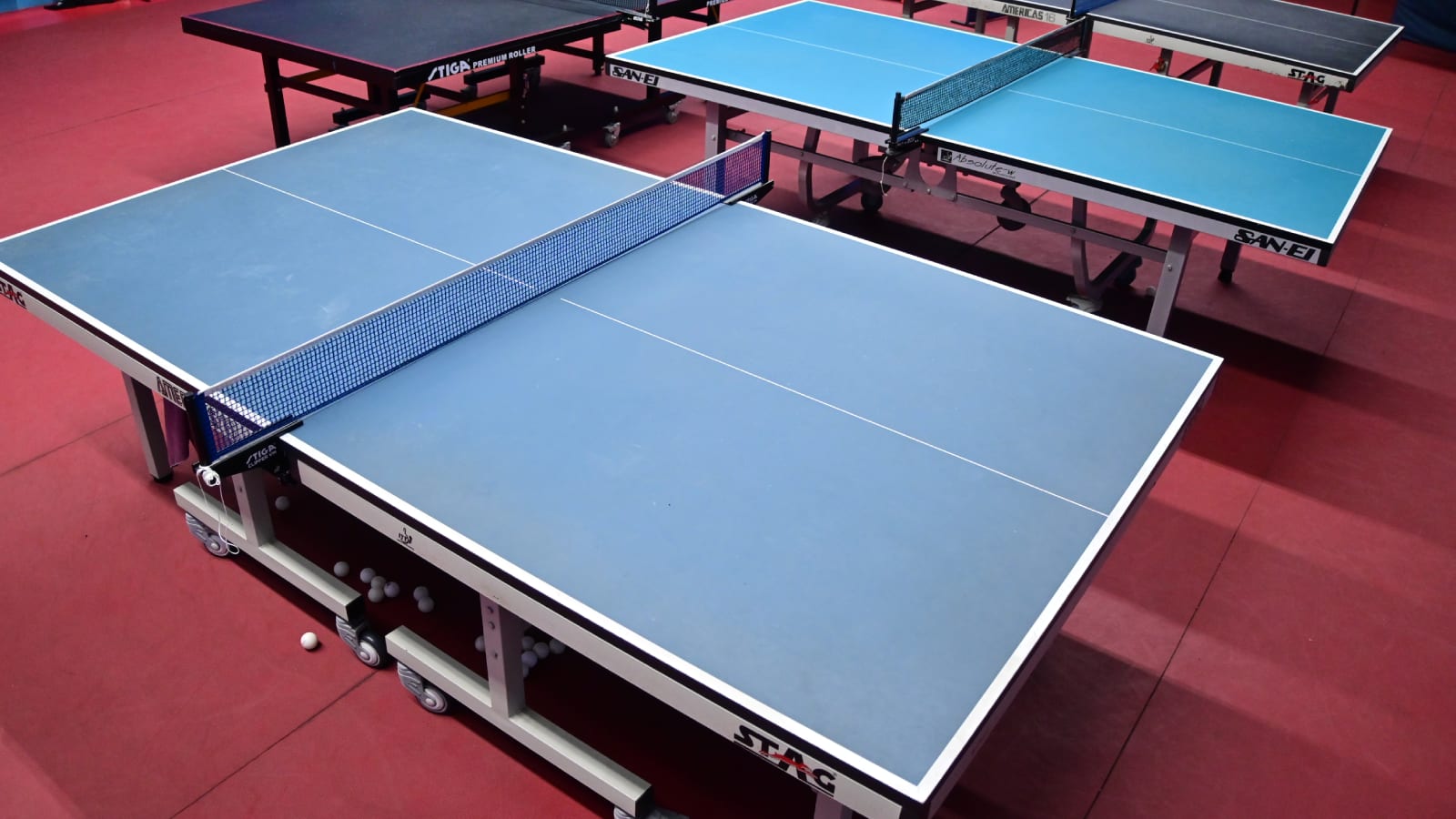
Indian table tennis stars are adjusting to the unique playing conditions of the Aichi-Nagoya Asian Games. Players note that specific table surfaces significantly impact game speed, requiring enhanced physical conditioning to compete effectively.
The Hidden Variable: Table Dynamics in Professional Table Tennis
In the high-stakes world of professional table tennis, the focus often remains on the athlete’s reflexes, paddle technology, and tactical prowess. However, as Indian paddlers prepare for the Aichi-Nagoya Asian Games, a critical, often overlooked variable has emerged: the playing surface itself. Much like the varying textures of tennis courts—from the rapid bounce of grass to the grinding baseline rallies of clay—table tennis tables possess distinct characteristics that dictate the pace and flow of a match.
The Impact of Surface Friction and Speed
At the upcoming Asian Games, the specific tables installed at Higashiyama Park are expected to play significantly slower than those utilized in other international circuits. This reduction in speed fundamentally alters the game’s mechanics. A slower table requires players to generate more power from their own strokes rather than relying on the incoming momentum of their opponent's shot. For the Indian contingent, this transition is not merely a matter of preference but a core tactical hurdle that demands rigorous adjustment.
Physical Conditioning as a Competitive Necessity
Top Indian player G Sathiyan has highlighted that these surface variations are as significant as the differences between cricket pitches. Because the tables will play slower, the rallies are likely to become more extended and physically grueling. Consequently, the Indian team must prioritize their physical conditioning to ensure they can maintain consistency and defensive stability throughout these prolonged exchanges. The ability to endure high-intensity, long-duration rallies will be the defining factor in their success.
Building on Historical Momentum
This preparation comes on the heels of notable progress for Indian table tennis, specifically the gutsy bronze medal performance by Sutirtha Mukherjee and Ayhika Mukherjee at the previous iteration of the Asian Games. That success demonstrated that Indian players are capable of competing at the highest levels, but replicating or exceeding that feat requires a sophisticated understanding of the equipment. The team is currently bridging the gap between their training environment and the specific demands of the Aichi-Nagoya venue.
The Challenge of Constant Adaptation
Unlike other sports that feature distinct, demarcated seasons—where athletes can prepare for specific conditions over several months—professional table tennis players face a disjointed schedule. As Sathiyan notes, the lack of a seasonal structure means players must constantly switch between different equipment standards and surface speeds. This instability places a massive burden on the players to adapt their muscle memory and tactical approach on short notice.
Conclusion: Beyond the Paddle
Ultimately, the performance of the Indian table tennis squad at the Aichi-Nagoya Asian Games will hinge on their ability to master the nuances of the table. By acknowledging that the playing surface is a dynamic component rather than a static fixture, the team is taking a proactive, scientific approach to their campaign. Their success will depend on whether they can translate this technical awareness into physical endurance, ensuring that when the game slows down, they remain the ones in control.