The evolution of state protections under Article 371, and what 371K could mean for Ladakh
Source Entity
Deeptiman Tiwary
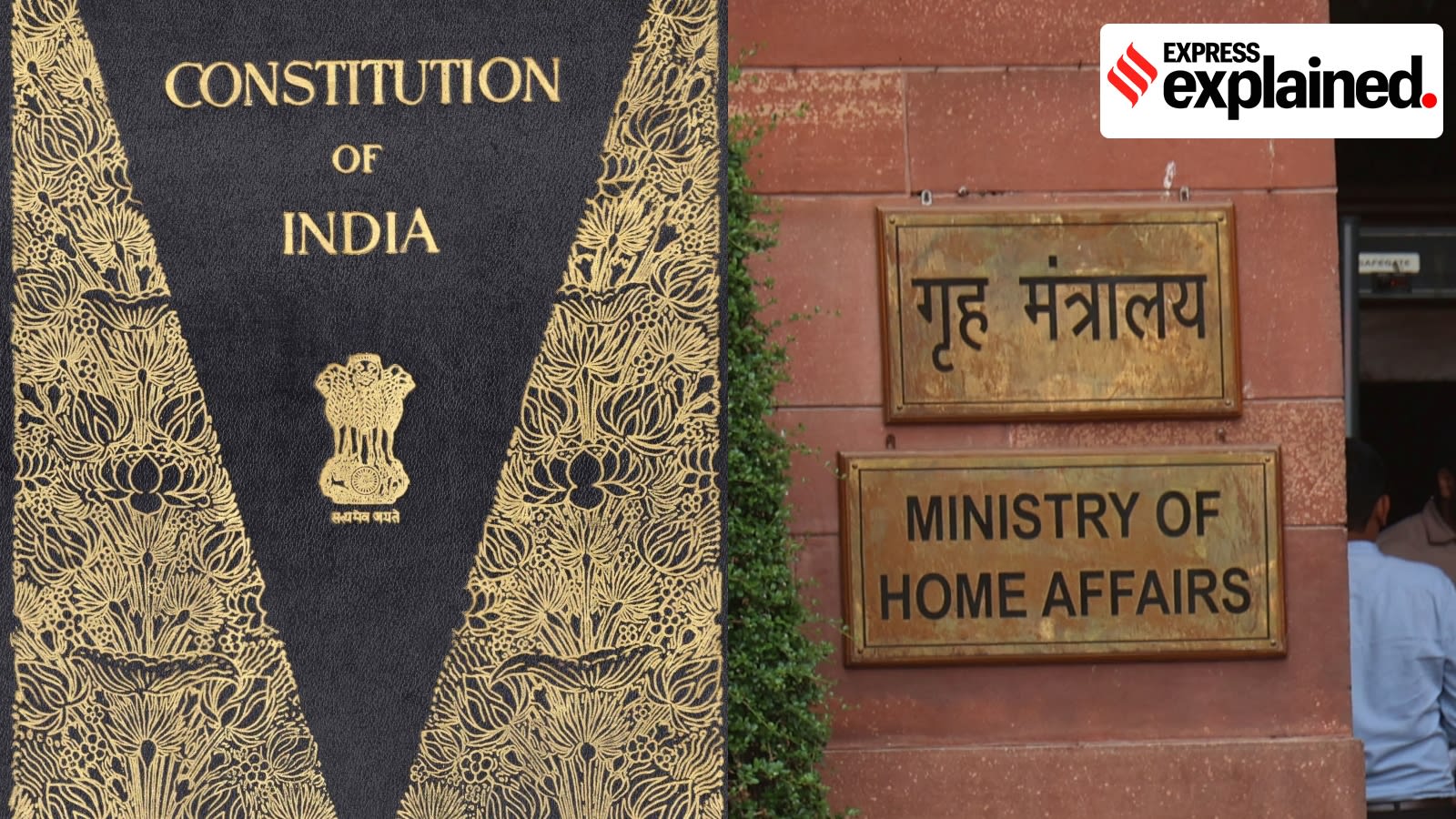
The Union government is considering Article 371K to grant Ladakh special constitutional safeguards, including a directly elected legislative body. This move follows an in-principle agreement with regional groups to address long-standing demands for local governance and protection.
The Proposed Path to Ladakh’s Constitutional Recognition
The Union government’s proposal to introduce Article 371K marks a significant shift in the administrative and political landscape of Ladakh. Following an in-principle understanding between the Ministry of Home Affairs and representatives from the Apex Body, Leh (ABL) and the Kargil Democratic Alliance (KDA), this move aims to provide concrete constitutional safeguards to the Union Territory. By proposing a directly elected body with legislative, executive, financial, and planning powers, the government is responding to the unique socio-political requirements of the region.
Understanding the Genesis of Article 371
To grasp the significance of 371K, one must look at the historical evolution of Article 371. While modern discourse often conflates these provisions exclusively with the protection of tribal regions or the Northeast, the original intent of Article 371 was broader. Historically, these provisions were designed to offer flexibility within the Indian federal structure, allowing specific states to manage internal affairs in ways that accommodate local customs, land rights, and unique cultural identities that might otherwise be stifled by blanket central regulations.
The Diversity of Constitutional Safeguards
Articles 371A through 371J have functioned as a patchwork of protections, each tailored to the specific needs of states like Nagaland, Assam, Manipur, and others. The existence of these various forms demonstrates the Constitution's inherent adaptability. Unlike a rigid legal code, these articles serve as a mechanism to integrate diverse regional interests into the national fabric while maintaining the integrity of the Indian Union. The proposed 371K is expected to follow this tradition of bespoke constitutional engineering.
Implications for Ladakh’s Governance
The most transformative aspect of the proposed 371K is the creation of a directly elected Union Territory-level body. By granting this body legislative and planning powers, the government is effectively decentralizing authority, allowing the people of Ladakh to have a direct say in their development trajectory. This is a crucial departure from the current administrative structure, addressing the concerns of the ABL and KDA regarding local representation and the preservation of regional identity.
Balancing Central Integration and Regional Autonomy
The introduction of 371K represents a delicate balancing act. It seeks to provide the security of constitutional recognition, which satisfies the demands for political empowerment, while simultaneously ensuring that the region remains firmly integrated within the Union framework. If enacted, this would set a new precedent for how the Union government manages the aspirations of geographically and culturally distinct territories, potentially serving as a model for future administrative reforms.
Looking Ahead: The Future of Ladakh
Moving forward, the success of Article 371K will depend on the nuances of its drafting and the extent of the powers devolved to the proposed local body. If implemented successfully, it could quell long-standing political tensions and foster a period of stable development. The evolution of this proposal will be closely watched by constitutional experts and regional stakeholders alike, as it represents a major test of India’s constitutional flexibility in the modern era.