Let’s curb misuse of BNS 299, a legal relic that elevates the mob over the individual
Source Entity
Shashi Tharoor
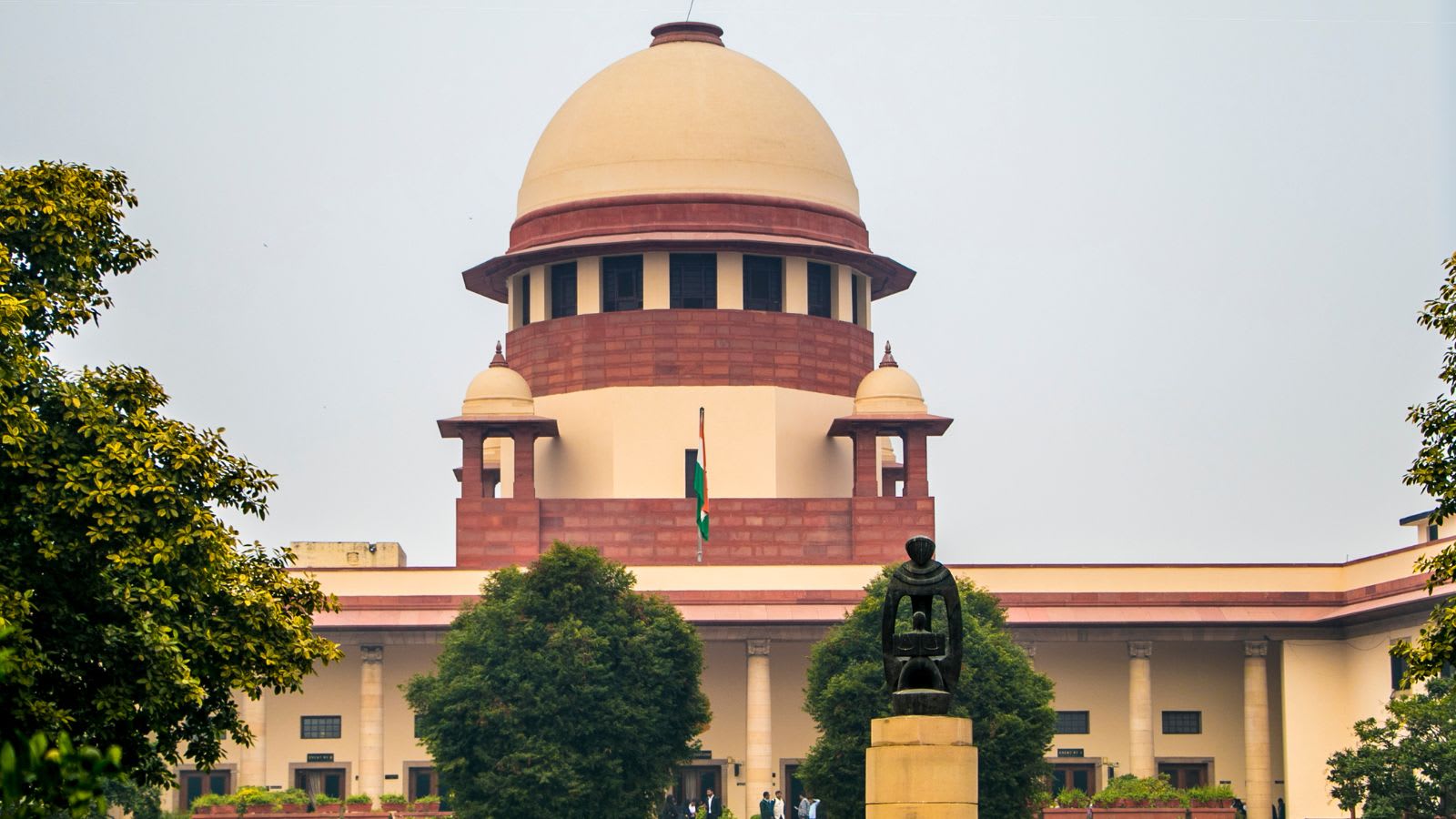
The misuse of Section 295A of the Indian Penal Code, now reflected in BNS 299, threatens India's historical tradition of intellectual freedom. This legal relic prioritizes the sensitivities of the mob over the fundamental rights of the individual, stifling critical discourse.
The Erosion of Intellectual Freedom in Modern India
India has long been celebrated as a civilization defined by a profound paradox: the co-existence of radical intellectual inquiry and rigid social orthodoxy. Historically, the Subcontinent functioned as a vast laboratory for metaphysical exploration, where thinkers—ranging from materialists to spiritual iconoclasts—engaged in rigorous debate without the fear of institutional persecution. Unlike traditions that codified heresy, the Indic framework historically lacked a mechanism to punish dissent, reflecting a culture that did not view new or challenging ideas as existential threats.
From IPC 295A to BNS 299
The contemporary discourse surrounding Section 295A of the Indian Penal Code, and its successor in the Bharatiya Nyaya Sanhita (BNS) as Section 299, highlights a critical departure from this heritage of fearlessness. These legal provisions, designed to regulate speech that insults religious sentiments, have increasingly been weaponized in modern India. By prioritizing the subjective 'fragile feelings' of the collective over the objective rights of the individual, these laws have created a chilling effect on public discourse, effectively silencing critical voices under the guise of maintaining social order.
The Rise of the Mob over the Individual
The central tension identified in current legal critique is the elevation of the mob as the arbiter of acceptable speech. When the state enforces laws like BNS 299, it inadvertently grants a veto power to reactive groups whose primary goal is to suppress intellectual challenges to their orthodoxy. This shift represents a dangerous regression, where the state acts as a shield for the offended rather than a protector of the fundamental constitutional right to expression, thereby institutionalizing a culture of censorship.
Historical Context and Modern Implications
While the original intent of such legislation—to prevent communal disharmony—may have been rooted in a desire for stability, the practical application has resulted in the systematic stifling of India’s intellectual legacy. In an era where information travels instantly, the ability to mobilize 'offended' groups has made these legal relics particularly potent tools for political and social control. This misuse threatens to homogenize Indian thought, forcing thinkers to self-censor in a society that once prided itself on being a 'laboratory of boundless inquiry.'
Future Trends and Conclusion
Moving forward, the debate over BNS 299 serves as a litmus test for the health of Indian democracy. If the judiciary and the legislature continue to allow these provisions to be used to suppress dissent, the erosion of intellectual fearlessness will likely accelerate. To preserve the foundational spirit of the Indic tradition, there must be a rigorous re-evaluation of how these laws are applied, ensuring that they do not become instruments for enforcing social conformity at the expense of individual liberty and critical thought.