Hindi Diwas: How the Constituent Assembly settled India’s language row
Source Entity
Nikita Mohta
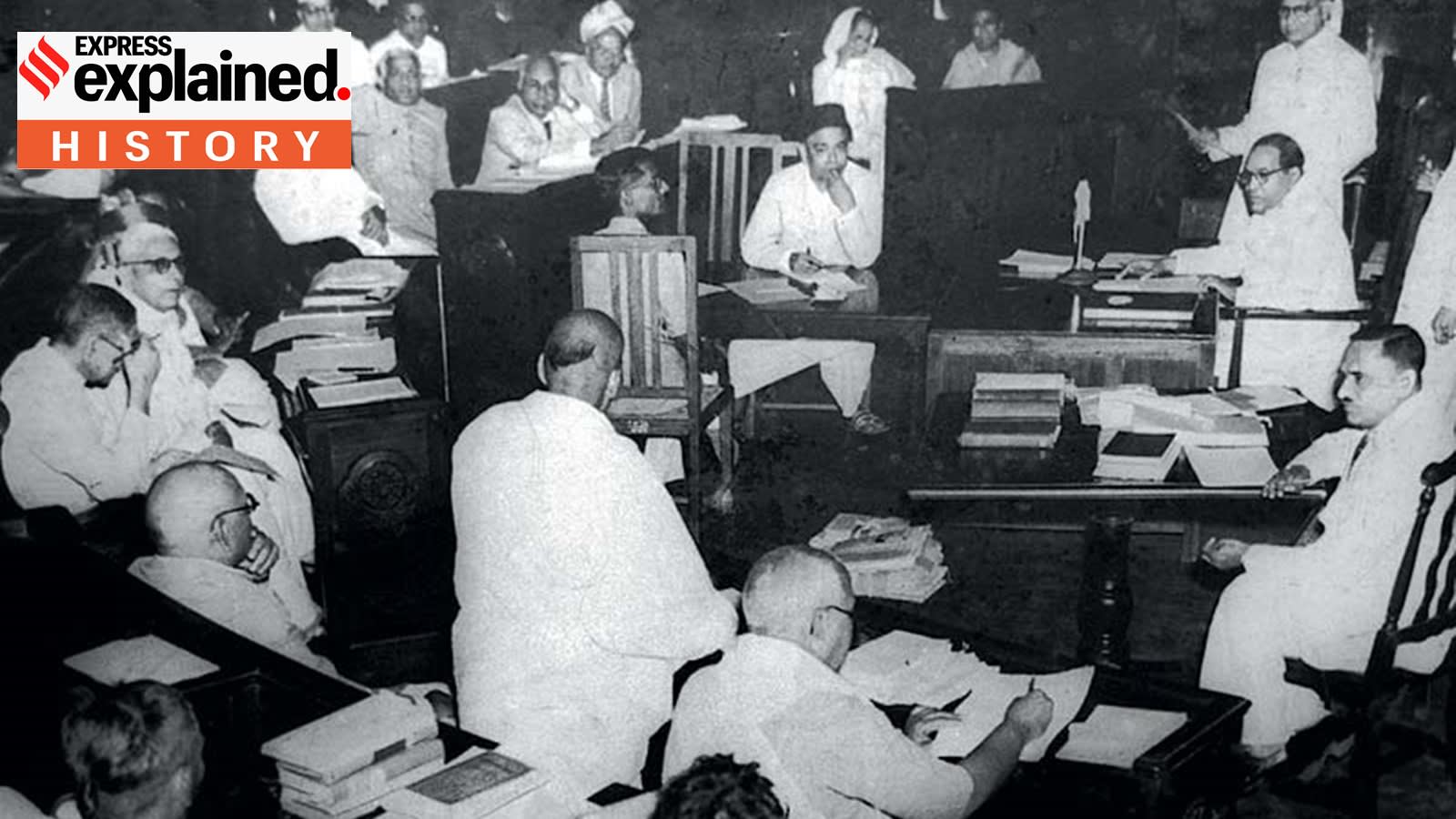
Hindi Diwas prompts a re-examination of Hindi's evolution from a fluid, pluralistic linguistic tradition to a standardized national identity. This analysis explores the historical, political, and constitutional shifts that shaped modern Hindi's role in Indian governance.
The Evolution of Hindi: From Pluralism to Standardization
On the occasion of Hindi Diwas, it is essential to move beyond celebratory rhetoric and critically examine how we have come to define "Hindi." Today, the language is often perceived as a fixed entity—standardized Khari Boli written in the Devanagari script, characterized by a heavy reliance on Sanskrit-derived vocabulary. However, this modern construction obscures a much more fluid historical reality. In the pre-colonial era, northern India functioned within a pluralistic linguistic landscape where "mother tongues" were not exclusive, and literary expression flowed seamlessly across diverse scripts including Kaithi, Gurmukhi, and Perso-Arabic.
The Colonial Impact and Linguistic Rigidity
The porous nature of northern India’s linguistic repertoire was fundamentally altered during the colonial period. The drive toward standardization was not merely a cultural evolution but a response to administrative and colonial requirements that favored singular, definable categories. This shift narrowed the scope of what was considered "Hindi," distancing the language from its diverse roots and creating the rigid, monolithic perception that persists in contemporary discourse.
Constitutional Debates and the Munshi–Ayyangar Formula
The tension regarding Hindi’s status was nowhere more visible than in the Constituent Assembly. Early debates were marked by intense friction, epitomized by RV Dhulekar’s aggressive insistence that Hindustani be the primary language of constitution-making. His dismissive attitude toward those who did not speak the language sparked significant unrest, highlighting that language was not just a means of communication but a central pillar of national identity construction. Ultimately, the Assembly reached a fragile consensus on September 14, 1949, through the Munshi–Ayyangar formula, which opted for an official language status rather than declaring a singular "national language."
The Political Geometry of the Hindi Belt
Beyond history, Hindi remains inextricably linked to the mechanics of Indian political power. The "Hindi belt" is viewed as the primary gateway to the Prime Minister’s office, a sentiment reinforced by the historical fact that Uttar Pradesh alone has produced seven of India's Prime Ministers. This perception of political necessity was famously underscored when K. Kamaraj declined the Prime Ministership in 1964, citing his lack of proficiency in Hindi as a disqualifying factor.
Modern Trends and Future Implications
In the contemporary era, the strategic importance of the Hindi heartland continues to dictate electoral geography. Prime Minister Narendra Modi’s decision to contest from Varanasi—a city deeply symbolic of the Hindi cultural sphere—reflects the enduring belief that "all roads to New Delhi pass through Uttar Pradesh." Furthermore, the use of Hindi by national leaders when addressing younger generations, such as Gen Z and Gen Alpha, suggests that the language remains the primary medium for state-led national engagement.
Conclusion
To "decolonize" Hindi, as suggested by the discourse surrounding Hindi Diwas, requires a recognition of its lost plurality. While Hindi serves as a potent tool for political mobilization and national unity, its future strength may lie in reclaiming the fluid, inclusive traditions of its past. By acknowledging the diverse linguistic history that preceded modern standardization, India can foster a more nuanced understanding of Hindi that honors its glorious past while remaining adaptable to the needs of a diverse, modern democracy.
Multiple Citing Sources