What you need to know about the latest donations to Reform UK
Source Entity
BBC News
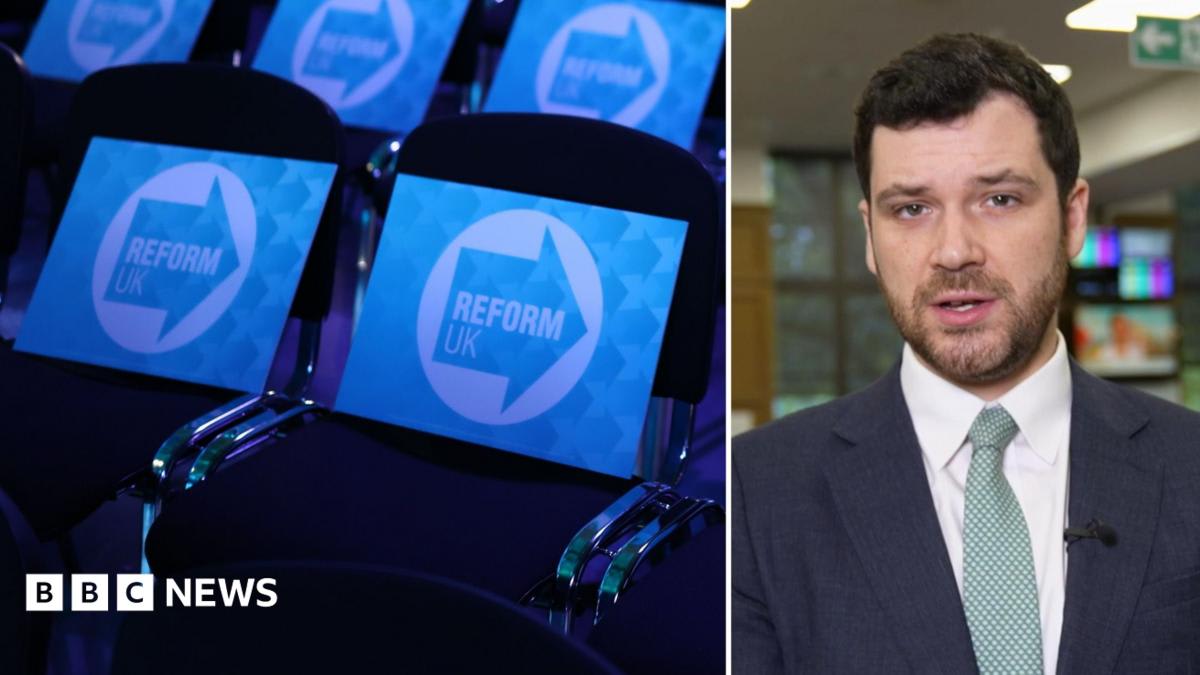
Reform UK has received £72 million in donations from two British expatriate billionaires, sparking a heated political debate. The government is currently seeking to implement a £100,000 cap on such donations, leading to accusations of systemic bias from Reform UK.
The £72 Million Controversy: Reform UK and Political Funding
The Anatomy of the Windfall
Reform UK has recently secured a historic financial boost, receiving £72 million in donations from two British cryptocurrency billionaires, Ben Delo and Christopher Harborne. This massive injection of capital—split equally between the two donors at £36 million each—has sent shockwaves through the UK political establishment. The timing of this windfall, arriving just before legislative efforts to restrict overseas political funding, has placed Reform UK at the center of a national debate regarding campaign finance transparency and the influence of high-net-worth individuals.
Legislative Tensions and Proposed Caps
The government is currently moving to amend the laws governing political donations from British expatriates. The proposed legislation includes a £100,000 cap on individual donations from those living abroad, with a controversial provision to backdate these restrictions to March 25. This legislative push is being viewed by some as an attempt to curb the influence of large-scale donors who have spent significant time living overseas, directly impacting the recent financial gains made by Nigel Farage’s party.
The Defense of Legality
Robert Jenrick, speaking on behalf of the party, has maintained that the £72 million in donations is entirely compliant with existing law. Furthermore, the party contends that these funds would remain legal even under the proposed regulatory changes. Reform UK officials, including Richard Tice, have aggressively countered the government’s narrative, accusing the ruling party of attempting to "rig the system" by retrospectively altering financial rules to disadvantage political opponents.
Institutional Scrutiny and House of Lords Debate
The House of Lords is set to debate these proposed changes, highlighting the urgency with which the government is treating the issue of political funding. The scale of the donation has prompted calls for stricter oversight from various political factions, including support from major labor organizations like Unite the Union. The debate centers on the tension between the rights of British citizens to support political causes and the perceived need to prevent massive, singular financial infusions from distorting the democratic process.
Broader Implications for UK Democracy
This event underscores a recurring theme in British politics: the balance between private funding and electoral fairness. The accusation that the government is seeking to "retrospectively change the rules" reflects a deep-seated distrust between Reform UK and the establishment. As the legislative process continues, the outcome will likely set a precedent for how political parties manage large-scale contributions and how the government defines the parameters of acceptable financial support from the global British diaspora.
Conclusion and Future Outlook
The outcome of the upcoming Parliamentary debates will be a critical litmus test for the future of campaign finance in the UK. Whether these donations remain untouched or if the government succeeds in imposing a restrictive cap, the incident has already succeeded in forcing a national conversation about the influence of wealth in politics. Moving forward, observers expect further legal and political challenges as parties navigate an increasingly complex landscape of donation regulations.
Multiple Citing Sources