BJP candidate gets one vote in Rajasthan local body polls
Source Entity
India Latest News: Top National Headlines Today & Breaking News | The Hindu
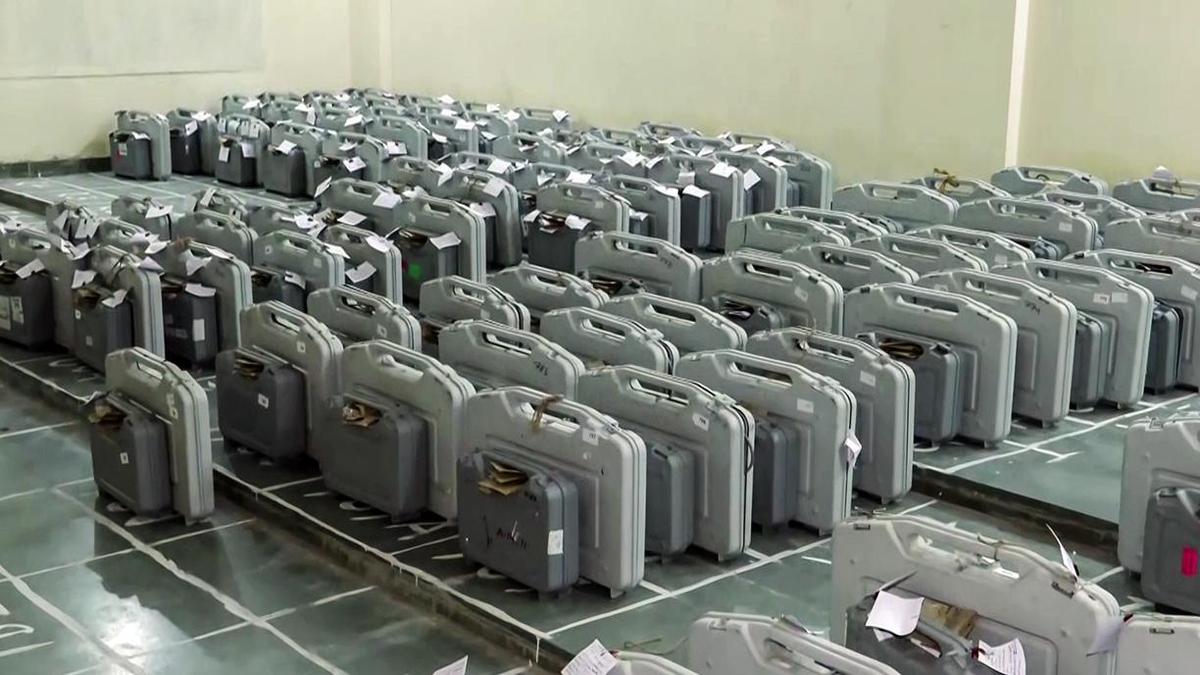
The BJP has secured a significant victory in Rajasthan's urban local body polls, winning a majority of boards. These results highlight a shifting political landscape, with the BJP maintaining dominance while the AAP and CPI(M) emerge as localized alternatives to a struggling Congress.
BJP Dominance in Rajasthan Local Polls: A Strategic Assessment
The recent urban local body elections in Rajasthan have provided a significant boost to the ruling Bharatiya Janata Party (BJP), reinforcing its political foothold halfway through its tenure. With counting trends confirming the party is set to form boards in a majority of the 309 urban local bodies, the results serve as a critical indicator of the current electoral climate under the leadership of first-time MLA and Chief Minister Bhajan Lal Sharma. This victory is particularly noteworthy given the intense scrutiny the administration faced regarding the timing of these elections.
Overcoming Political Skepticism
In the weeks leading up to the September 9 and 11 polling phases, the BJP government faced substantial criticism from the opposition Congress. The narrative pushed by the opposition—bolstered by High Court observations regarding the delay in conducting these civic polls—suggested that the administration lacked confidence and feared a electoral backlash. By securing a lead in 1,937 wards compared to the Congress's 1,646, the BJP has effectively neutralized these claims, demonstrating that the government retains the support of the urban electorate despite the previous perception of administrative vulnerability.
The Shifting Opposition Landscape
While the BJP emerged as the clear winner, the election results revealed a complex evolution in Rajasthan’s political landscape. The Congress party’s inability to consolidate its position as the sole primary challenger to the BJP was laid bare. Notably, the Aam Aadmi Party (AAP) and the Communist Party of India (Marxist) (CPI(M)) successfully capitalized on the Congress’s shrinking space. The AAP’s decisive victory in the Baran Municipal Council, where it secured 31 out of 60 seats, and the CPI(M)’s successful board formation in the Nokha Nagar Palika in Bikaner, represent a significant shift toward alternative political entities in localized urban pockets.
Implications for the 2028 Assembly Elections
These civic polls are viewed by analysts as a crucial bellwether for the 2028 Rajasthan Assembly elections. The participation of smaller regional players, including the Rashtriya Loktantrik Party (RLP) with 42 seats, the Bharat Adivasi Party (BAP) with 8, and the Bahujan Samaj Party (BSP) with 6, highlights a fragmented but highly competitive environment. The role of 1,040 independent ward winners further underscores that local issues and individual candidate influence remain significant factors, potentially creating a complex coalition dynamic in various municipal boards.
Conclusion and Future Outlook
Ultimately, the BJP’s performance acts as a stabilizing force for the Bhajan Lal Sharma administration. By maintaining control over the majority of the 309 urban local bodies, the party has secured a platform to implement its urban governance agenda more effectively. However, the emergence of the AAP and CPI(M) as functional alternatives in specific districts suggests that the BJP cannot afford to be complacent. As Rajasthan moves toward the 2028 cycle, the ability of these smaller parties to retain their newfound influence will be a key metric in determining whether the state’s political structure is moving toward a multi-polar system or remains a traditional two-party struggle.
Verification Required?