Asean's changing place in the global economy | Number Theory
Source Entity
Latest News: Todays Latest News Headlines from India & World | Hindustan Times
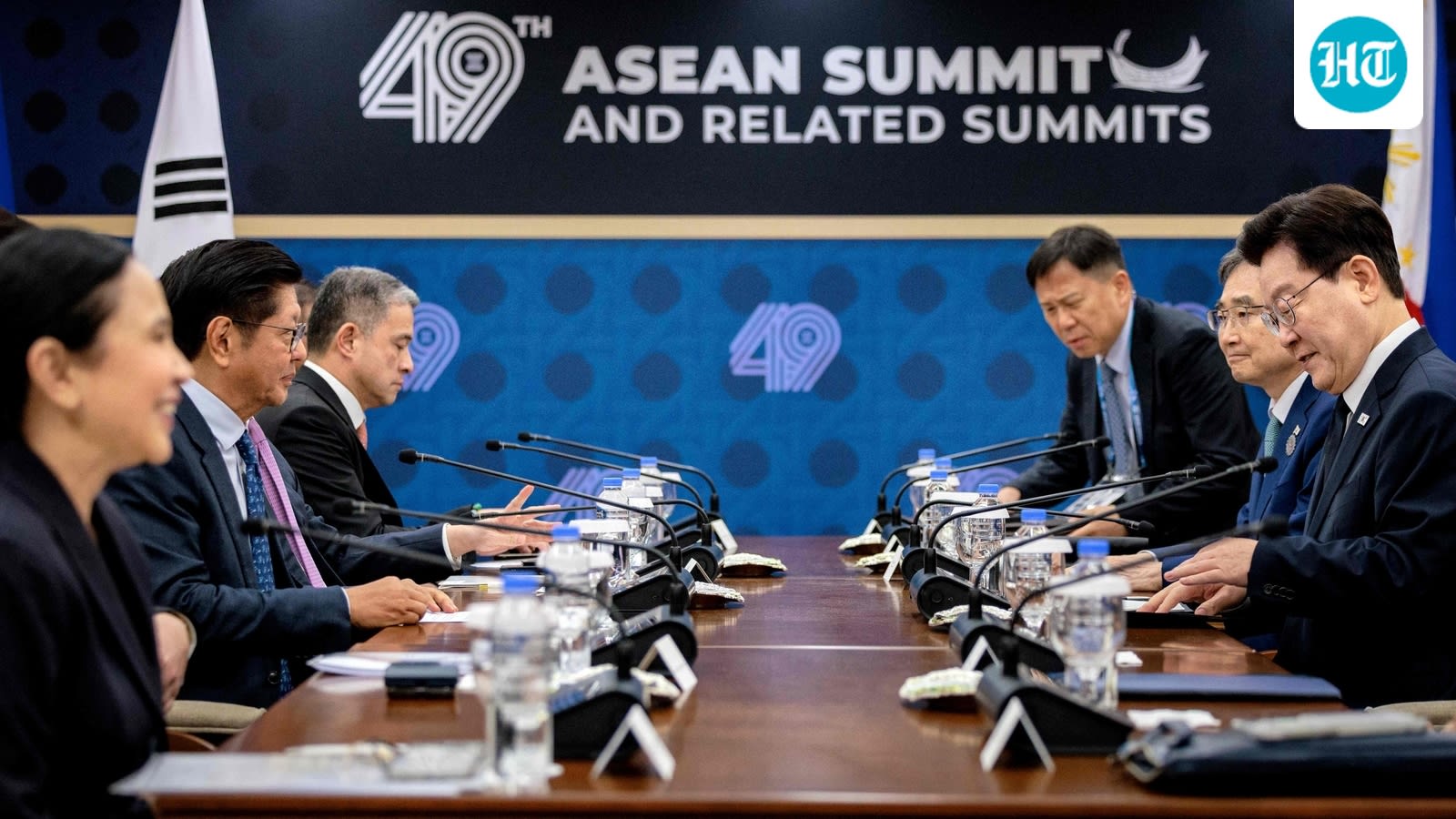
ASEAN's economic integration into the RCEP has exacerbated trade asymmetries, resulting in a persistent deficit with China alongside a surplus with the US and India. This pattern highlights ASEAN's role as a vital intermediary in global value chains, particularly for nations like Vietnam.
ASEAN’s Evolving Economic Architecture
The economic landscape of the Association of Southeast Asian Nations (ASEAN) is undergoing a profound transformation, driven largely by its deeper integration into the Regional Comprehensive Economic Partnership (RCEP). While the bloc remains a robust contributor to global trade, recent data analysis reveals a growing structural asymmetry. ASEAN maintains a healthy trade surplus with major economies like the United States and India, yet this is increasingly offset by a widening trade deficit with China, which has become the primary source of industrial inputs for the region.
The RCEP Catalyst
Joining the RCEP—a massive free trade agreement involving China, Japan, South Korea, Australia, and New Zealand—has significantly altered ASEAN’s trade trajectory. While the agreement was designed to facilitate smoother trade flows and reduce tariffs, it has inadvertently deepened the bloc’s reliance on Chinese supply chains. The data indicates that the asymmetry in ASEAN's trade balance—characterized by a surplus with the rest of the world and a deficit with China—has sharpened in the post-RCEP era, marking a pivotal shift in the region's economic orientation.
Vietnam and the Global Value Chain
Central to this dynamic is the role of individual member states, most notably Vietnam, which has emerged as a critical node in the global value chain. Vietnam’s economic model relies heavily on importing raw materials, components, and capital goods from China, which are then processed into finished products and exported to high-demand markets like the United States. This "middleman" role explains the paradox of Vietnam’s substantial trade surplus with the US, which masks the underlying reality of its deep-seated dependency on Chinese imports.
Strategic Implications for Global Trade
This pattern of trade suggests that ASEAN is increasingly becoming a processing hub that bridges the gap between Chinese industrial manufacturing and Western consumer markets. While this has propelled economic growth for many Southeast Asian nations, it also creates strategic vulnerabilities. By positioning itself as a conduit for global trade, the bloc is susceptible to fluctuations in US-China relations and potential supply chain disruptions that could ripple through the RCEP framework.
Future Trends and Resilience
Looking forward, ASEAN faces the challenge of balancing its integration with China against the need for internal industrial diversification. If member states continue to rely solely on Chinese inputs for their export-oriented growth, they may struggle to move up the value chain to higher-end manufacturing. The future trajectory of the bloc will likely depend on its ability to attract high-tech foreign investment and foster intra-ASEAN trade, ensuring that the regional economy is not merely a transit point but a driver of indigenous innovation and sustainable development.
Verification Required?