China’s Xi calls for removing trade and investment barriers ahead of his meeting with Trump and Putin
Source Entity
US Top News and Analysis
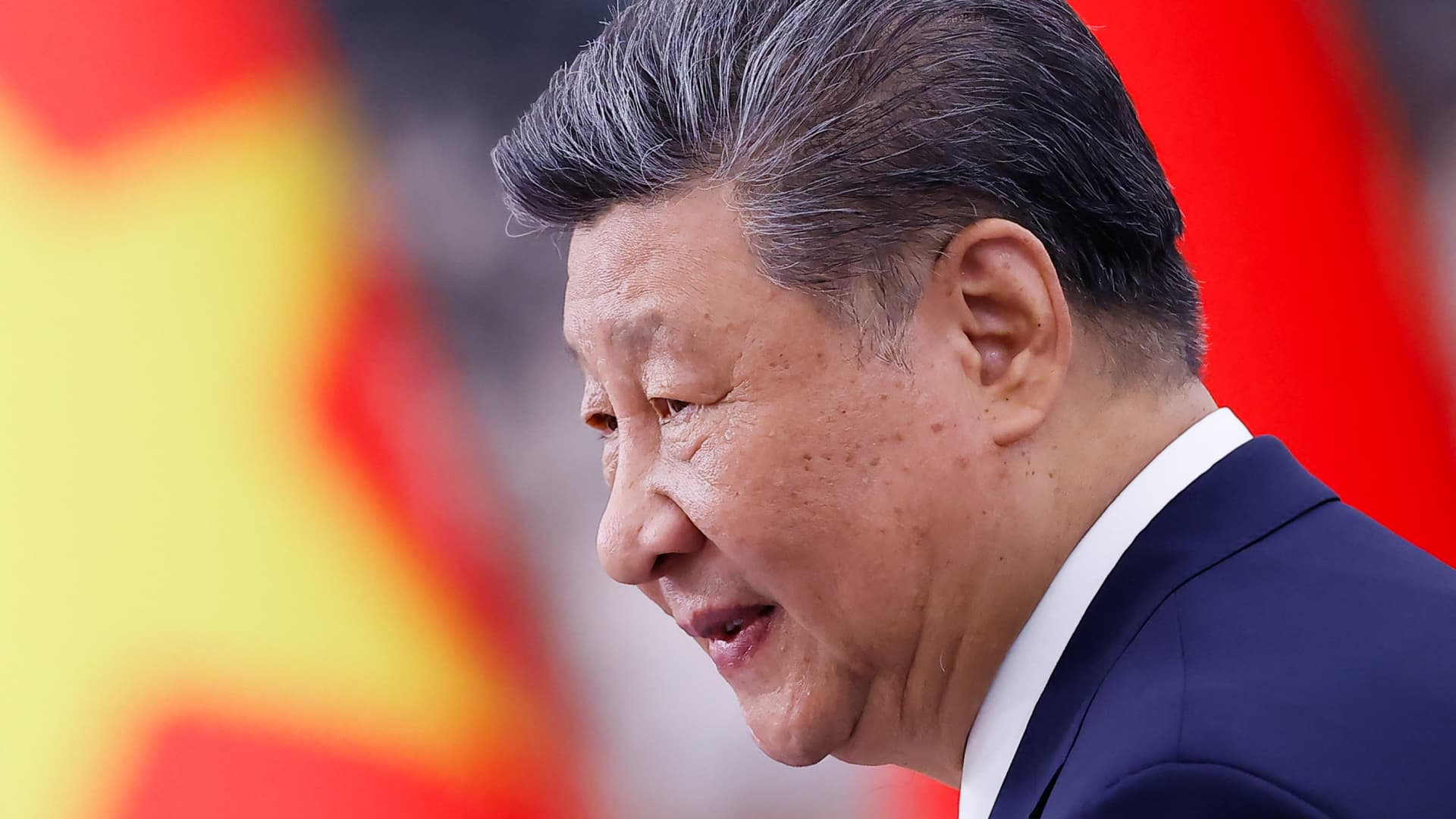
US President Donald Trump, Chinese President Xi Jinping, and Russian President Vladimir Putin are convening in Shenzhen for trilateral talks. The summit focuses on nuclear arms control, resolving ongoing conflicts in Ukraine and Iran, and addressing global trade and technology competition.
A New Geopolitical Axis: The Shenzhen Trilateral Summit
The convergence of US President Donald Trump, Chinese President Xi Jinping, and Russian President Vladimir Putin in Shenzhen marks a potentially seismic shift in global diplomacy. Reminiscent of the historic Yalta Conference, this meeting brings together the three primary architects of the modern geopolitical landscape to address a world increasingly fractured by regional instability and systemic competition. The choice of Shenzhen—a hub of Chinese economic and technological prowess—serves as a backdrop for discussions that aim to navigate the precarious balance between national strategic interests and global security imperatives.
The Nuclear Conundrum and Global Stability
At the forefront of the agenda is the daunting challenge of nuclear arms control. President Trump has identified the initiation of three-way talks as a primary objective for this diplomatic mission. Historically, nuclear non-proliferation frameworks were largely bilateral, centered on the US and the Soviet Union/Russia. The modern reality, however, requires the inclusion of China, whose expanding nuclear arsenal necessitates a new trilateral approach. Whether these leaders can establish a framework that addresses the concerns of all three powers remains one of the most critical questions for international security in the coming decade.
Addressing Regional Conflicts: Ukraine and Iran
Beyond nuclear parity, the leaders are tasked with addressing two active and devastating conflicts: the wars in Ukraine and Iran. The involvement of these three specific heads of state suggests an attempt to utilize high-level personal diplomacy to force a breakthrough where lower-level negotiations have stalled. By placing these conflicts on the table, the summit seeks to determine if the personal relationships between Trump, Xi, and Putin can override the entrenched strategic interests that have fueled these hostilities for years.
Economic Rivalries and the Tech Frontier
Parallel to these security concerns are the deep-seated trade and investment tensions that have defined the US-China relationship. President Xi’s recent calls at the APEC forum for the removal of trade barriers and the expansion of market access highlight the economic stakes of this meeting. With the rapid acceleration of the AI race and ongoing tech rivalries, the leaders are not just negotiating borders and weaponry, but the fundamental rules governing the future global digital and economic order.
Strategic Implications and Future Trends
This summit is not merely a diplomatic exercise; it is a test of whether a 'concert of powers' can effectively manage a multipolar world. The outcome of the Shenzhen meeting will likely determine whether the international community moves toward a period of renewed cooperation or further entrenchment of bloc-based rivalries. If successful, this trilateral dialogue could establish a new precedent for conflict resolution; however, given the complexity of the issues, any progress will likely be incremental rather than transformative.
Conclusion: A Turning Point
As the world watches the proceedings in Shenzhen, the significance of this meeting cannot be overstated. By bringing the leaders of the three most influential nations together, the summit represents a tacit acknowledgment that the current global order requires a top-down recalibration. Whether this 'Yalta 2.0' leads to lasting peace or serves as a temporary pause in global competition will depend on the ability of these leaders to reconcile their divergent visions for the 21st century.
Multiple Citing Sources