‘Don’t be surprised to see ‘cash only’ boards’: Market yard traders on new UPI charge
Source Entity
Shubham Kurale
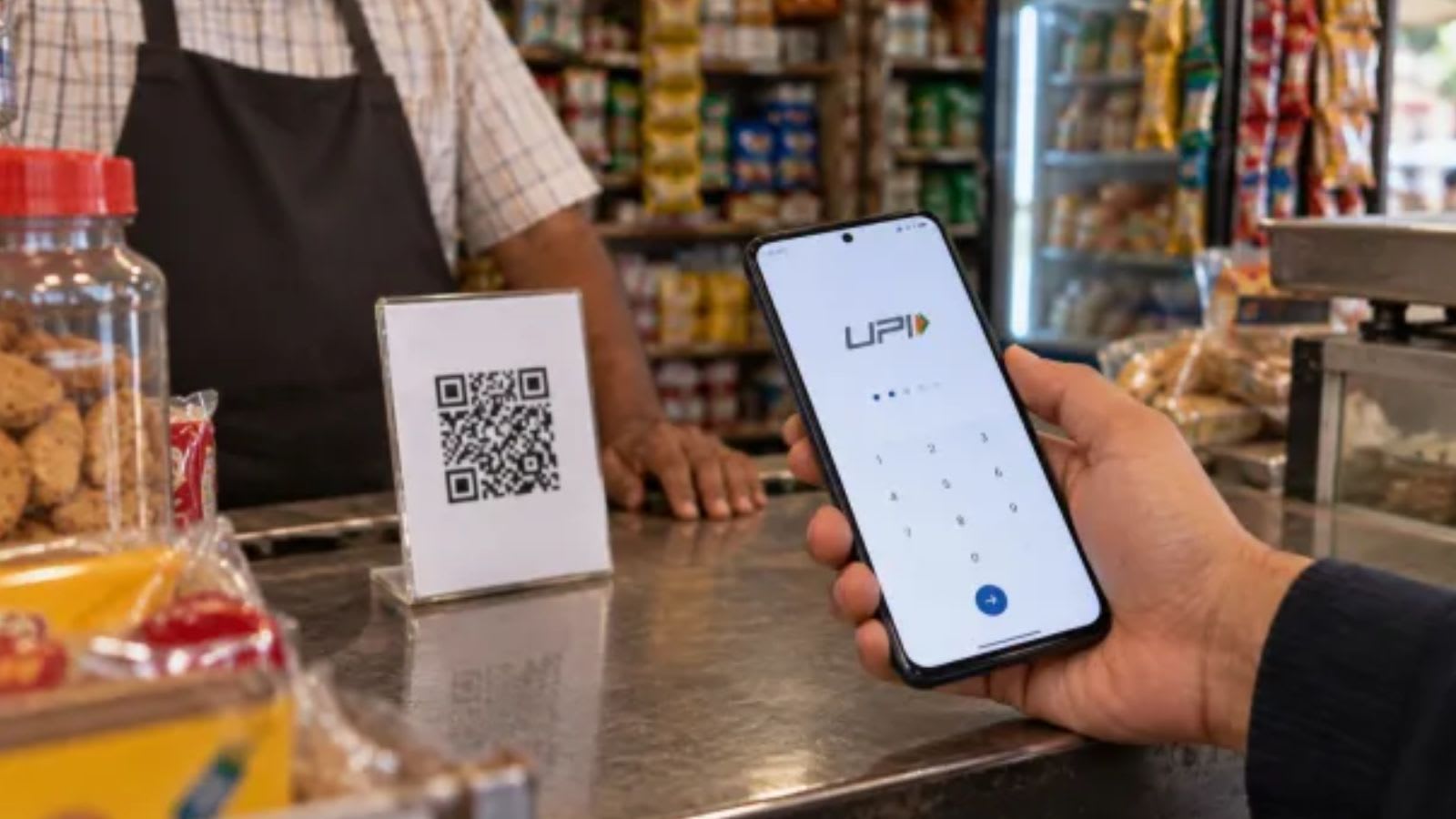
The NPCI has introduced a 0.4% merchant discount rate (MDR) on UPI transactions over ₹2,000, effective October 15. While the government maintains this won't impact consumers, critics like Ashneer Grover argue these costs will inevitably be passed on to the public.
The Shift in UPI Economics: Understanding the New MDR Policy
The National Payments Corporation of India (NPCI) has announced a significant shift in the digital payment landscape, introducing a Merchant Discount Rate (MDR) on specific UPI transactions starting October 15. Under this new framework, a 0.4% MDR will apply to transactions exceeding ₹2,000, capped at ₹300. Additionally, specific sectors such as utility bills, fuel, insurance, and education will incur a flat fee of ₹5. This policy marks a departure from the previously entirely free-to-use model that defined the rapid expansion of UPI in India.
The Consumer vs. Merchant Debate
While the Ministry of Finance has officially clarified that the MDR is a cost to be borne by merchants and that peer-to-peer (P2P) transfers remain entirely free, the policy has sparked intense debate. Former BharatPe co-founder Ashneer Grover has been a vocal critic of the narrative that consumers will remain unaffected. Grover argues that the term 'merchant charge' is effectively a tax in disguise, suggesting that businesses will inevitably pass these costs onto the end consumer to maintain their profit margins.
Distinguishing Between Transaction Types
It is crucial to note that the new circular provides clear exemptions. UPI payments between individuals—such as money sent to friends or family—remain outside the purview of these charges. Furthermore, auto-debits and UPI mandates are excluded from the MDR, ensuring that recurring household payments are not disrupted. This segmentation reflects the NPCI's intent to keep personal financial interactions frictionless while monetizing high-value commercial transactions.
Broader Economic Implications
From a macroeconomic perspective, the introduction of MDR is designed to improve the sustainability of the UPI ecosystem. By allowing payment processors and banks to earn revenue on larger commercial transactions, the infrastructure can be better maintained and scaled. However, the move risks creating friction for small and medium-sized enterprises (SMEs) that operate on thin margins. Whether these retailers choose to absorb the cost as a 'cost of doing business' or adjust their pricing models remains a critical factor for future inflation trends in the retail sector.
Future Trends and Outlook
Looking ahead, the success of this policy will depend on market equilibrium. If large retailers and online platforms absorb the 0.4% charge, the impact on the average consumer may be negligible. However, if smaller, localized vendors begin adding surcharges to recover these fees, we may see a shift in consumer behavior, potentially favoring cash or alternative payment methods for high-value purchases. As the October 15 deadline approaches, stakeholders will be closely monitoring how the market adjusts to this new fiscal reality in the digital payment space.
Multiple Citing Sources