From paan daan to luxury hampers: How the humble betel leaf is getting a premium makeover
Source Entity
Utsa Ganguly
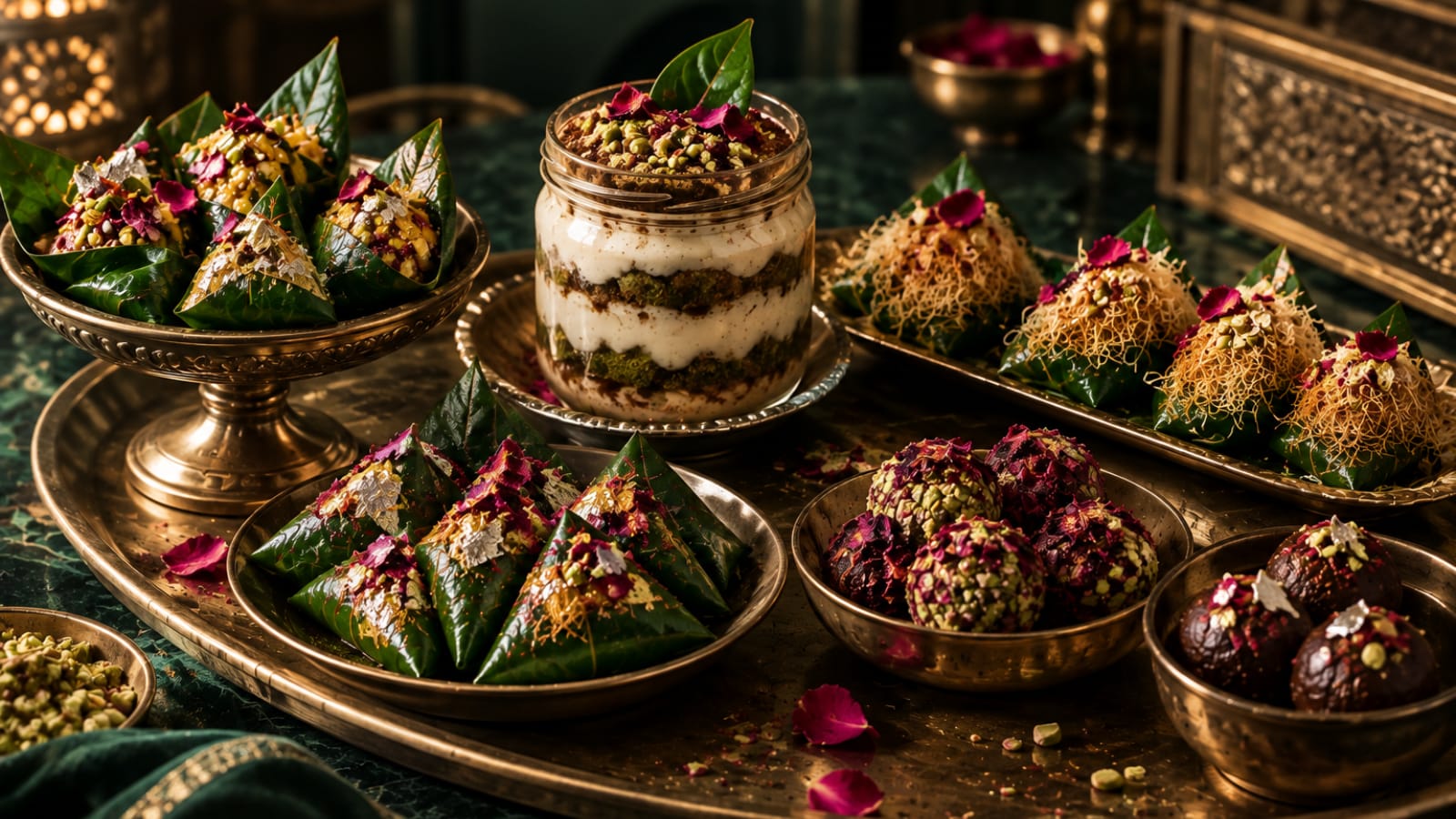
The traditional Indian paan is undergoing a significant market transformation, shifting from humble street-side stalls to premium, chef-driven culinary experiences. This trend reflects a broader move toward elevating indigenous ingredients through artisanal packaging and gourmet innovation.
The Evolution of the Indian Paan: From Tradition to Luxury
A Cultural Staple Reimagined
For generations, the paan has been an inextricable part of the Indian social fabric. Traditionally associated with the neighborhood paanwala—a craftsman who meticulously folds betel leaves filled with supari, gulkand, and aromatic spices—it has long served as a post-meal ritual. Beyond the street corner, the paan daan, a brass or silver container, acted as a centerpiece in many households, signifying hospitality and tradition. However, this age-old custom is currently experiencing a profound aesthetic and commercial metamorphosis.
The Rise of the Gourmet Experience
In the modern culinary landscape, the humble betel leaf is being stripped of its street-side identity and repurposed as a high-end ingredient. Top-tier restaurants are now incorporating paan into complex, chef-driven menus, treating it with the same reverence as saffron or truffle. By integrating artisanal fillings and edible gold, culinary experts are repositioning the leaf as a luxury centerpiece rather than a simple mouth freshener. This shift represents a broader trend in the food industry where traditional, accessible items are being 'premiumized' for a discerning, affluent demographic.
Artisanal Packaging and Branding
Beyond the plate, the presentation of paan has undergone a complete overhaul. The transition from loose, shop-bought leaves to branded, luxury hampers signifies a shift in consumer behavior. Businesses are now focusing on the 'unboxing' experience, utilizing sleek, compartmentalized packaging that pays homage to the historical paan daan while appealing to contemporary tastes. This branding strategy elevates the product from a casual indulgence to a sophisticated gift item suitable for festivals and corporate events.
Culinary Innovation and Fusion
Innovation is at the heart of this transformation. Chefs are no longer limiting the betel leaf to its traditional form; instead, they are experimenting with paan-inspired savory dishes and avant-garde desserts. This culinary experimentation allows for a fusion of old-world flavors with modern gastronomy, ensuring that the legacy of the betel leaf remains relevant in a rapidly changing market. The ingredient's versatility is being highlighted through creative techniques that challenge preconceived notions of what paan can be.
Broader Economic and Market Implications
This trend toward premiumization highlights a significant opportunity for small-scale cultivators and artisans to tap into higher-margin markets. As the demand for artisanal paan grows, the supply chain is likely to see an increase in quality standards, from leaf cultivation to the sourcing of exotic fillings. This movement not only preserves a cultural icon but also provides it with a sustainable economic future in the modern, globalized food economy.
Conclusion
The transformation of the paan is more than just a culinary trend; it is a testament to the resilience of cultural traditions in the face of modern consumerism. By successfully merging nostalgia with luxury, the betel leaf has secured its place in the modern menu, proving that traditional elements can thrive when reimagined with creativity and sophistication.