US interest rates raised for first time in three years
Source Entity
BBC News
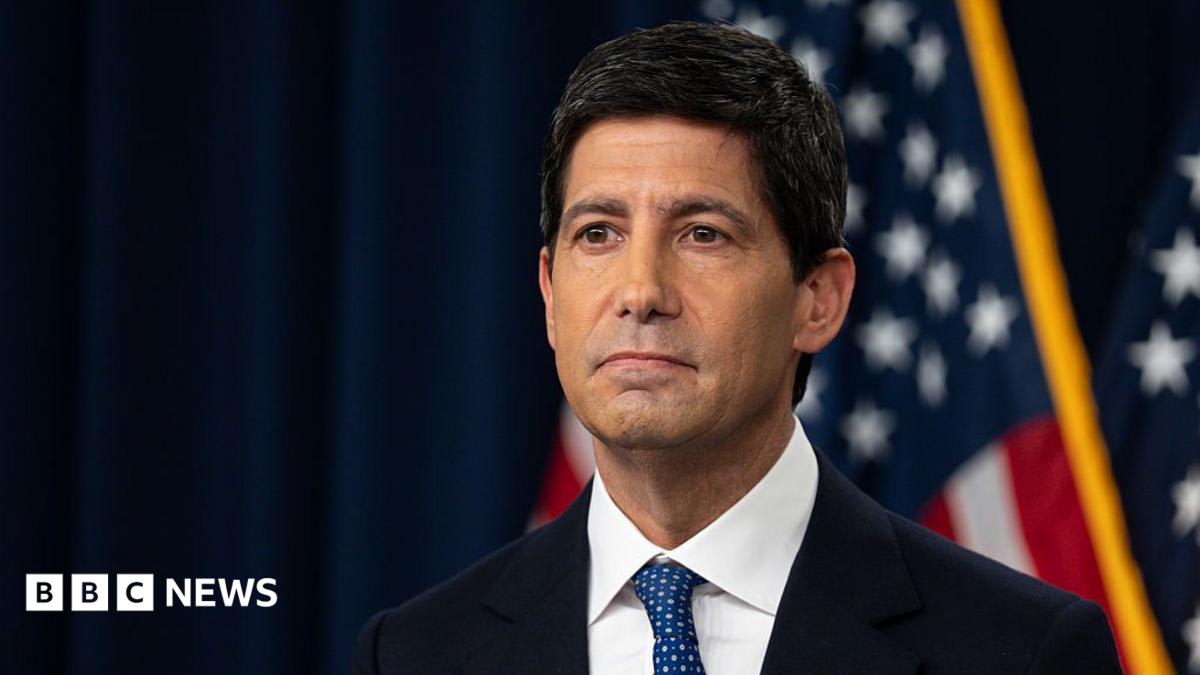
The Federal Reserve has implemented its first interest rate hike in three years, raising rates to 3.75%-4% to combat persistent inflation. This unanimous decision by the FOMC directly defies President Donald Trump's calls for lower rates, highlighting a potential friction point regarding central bank independence.
The Federal Reserve's Strategic Shift
In a significant move to stabilize the American economy, the Federal Reserve has increased interest rates for the first time in over three years, raising the target range to 3.75%-4%. This decision, enacted by the Federal Open Market Committee (FOMC), marks a decisive pivot toward tightening monetary policy. The primary driver for this shift, as articulated by Fed Chair Kevin Warsh, is the necessity of curbing inflation that has remained stubbornly above the central bank’s 2% target for an extended period.
Defying Executive Pressure
The hike was characterized by a unanimous vote among all 12 FOMC members, a show of solidarity that underscores the committee's commitment to its mandate despite significant political headwinds. President Donald Trump had publicly and repeatedly advocated for a reduction in interest rates, suggesting they should be 1% or lower. The President’s vocal opposition created a high-stakes environment for the Fed, particularly given that Chair Kevin Warsh, a Trump appointee, was at the helm of this decision.
The Independence of Monetary Policy
This event highlights the long-standing tension between executive economic goals and the institutional independence of the Federal Reserve. While the White House expressed dissatisfaction with the move, the FOMC’s unanimous decision suggests that the committee prioritized objective economic data over political pressure. Chair Warsh’s refusal to engage in public discourse regarding his discussions with the President reinforces the traditional boundaries between the administration’s political agenda and the Fed’s technical responsibilities.
Economic Implications for Borrowers and Savers
The impact of this rate hike will be felt broadly across the US economy. By increasing the federal funds rate, the Fed makes borrowing more expensive, which directly affects interest rates for mortgages, personal loans, and credit card debt. While this may dampen consumer spending and slow economic growth, it is a classic lever used to cool an overheated economy and suppress rising prices. Conversely, the move offers a potential silver lining for savers, who may see improved returns on their deposit accounts.
Future Trends and Global Outlook
Looking ahead, the Fed’s decision signals a "sober" approach to economic management. The unanimous nature of the vote suggests that the committee is prepared to weather potential political fallout to achieve its inflation targets. As the US economy navigates this shift, other global central banks, such as the Reserve Bank of India (RBI), will likely monitor the situation closely to determine if they must follow suit to maintain currency stability and manage global capital flows. The coming months will be critical in determining whether this hike successfully moderates inflation without triggering a significant economic downturn.
Multiple Citing Sources