Ashok Lavasa says EC must regain public trust amid SIR controversy
Source Entity
YASHASVI VASISTHA
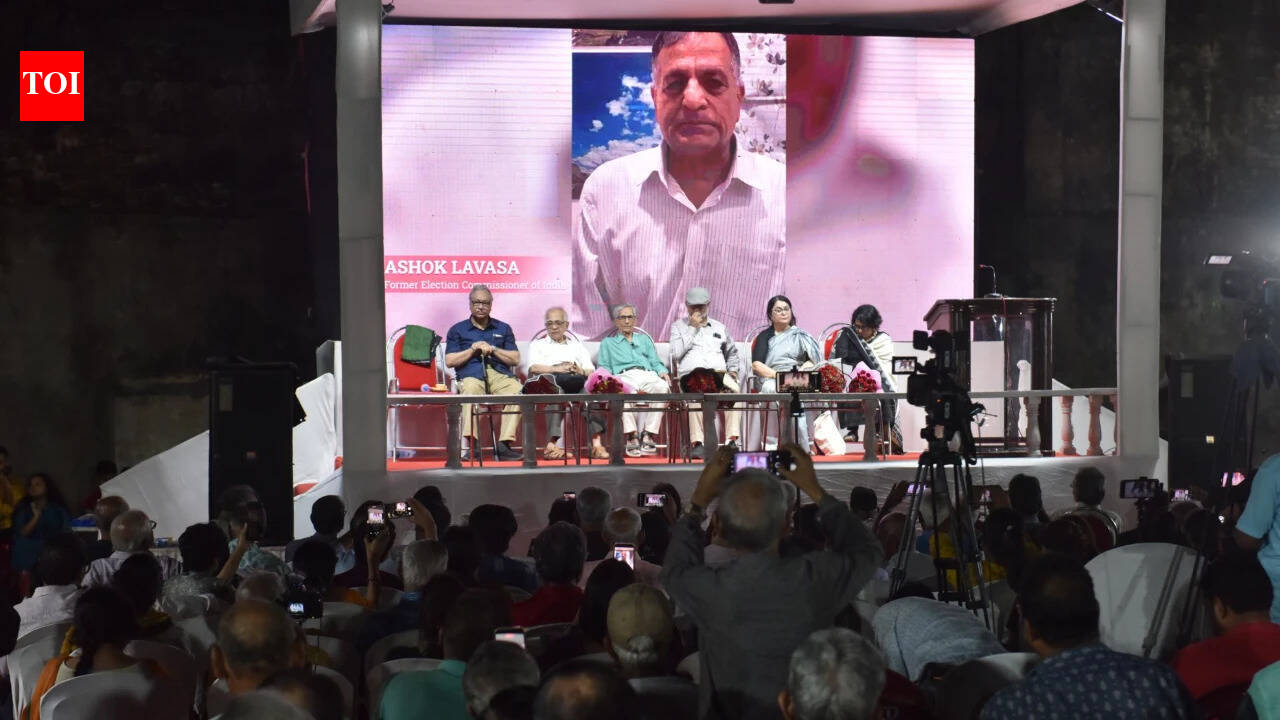
Former CEC Ashok Lavasa has criticized the Election Commission of India over the Special Intensive Revision (SIR) exercise. He warned that mass voter anxiety and concerns over transparency are severely damaging the institution's credibility.
The Crisis of Institutional Trust in the ECI
Former Chief Election Commissioner (CEC) Ashok Lavasa has recently voiced grave concerns regarding the current state of the Election Commission of India (ECI). His critique centers on the controversy surrounding the Special Intensive Revision (SIR) exercise, which has led to widespread public apprehension regarding the integrity of electoral rolls. The core of the issue lies in the alleged mass deletion of voter names, a development that Lavasa describes as unprecedented in the history of Indian democracy.
The Impact of Voter Anxiety
Lavasa emphasizes that the current climate of "mass anxiety" among voters is a direct result of the ECI's recent procedural choices. Historically, electoral roll revisions were viewed as routine administrative functions. However, the current SIR process has shifted this perception, transforming a technical necessity into a source of deep public suspicion. By failing to maintain transparency, the commission has inadvertently allowed for a narrative of exclusion to take hold, where citizens fear their fundamental right to vote is being systematically undermined.
Internal Dissent and Transparency Deficits
Beyond public perception, the ECI’s credibility is being eroded by internal fractures. Lavasa pointedly identifies a lack of transparency in decision-making and internal dissent as major catalysts for the current crisis. When a constitutional body, which is meant to be the final arbiter of electoral fairness, becomes embroiled in public controversy and internal discord, its ability to function as an impartial referee is compromised. This loss of institutional cohesion makes it difficult for the commission to project the authority required to manage the world's largest democratic exercises.
Political Backlash and Democratic Integrity
The criticism has extended beyond the administrative level, with public figures like Prakash Raj characterizing the SIR exercise as detrimental to the health of Indian democracy. By labeling the actions of the commission—and by extension, the perceived influence of the ruling party—as a threat to the electoral process, these critics highlight the political stakes involved. The demand for the resignation of the Chief Election Commissioner represents a historic low point in the relationship between the electorate and the poll panel.
Path Toward Restoration
For the Election Commission to regain its standing, Lavasa suggests that a radical shift toward transparency is mandatory. The institution must address the grievances regarding voter deletions with absolute clarity and provide evidence-based justifications for its procedural changes. Without a concerted effort to restore faith, the ECI risks long-term damage to its reputation, which could have cascading effects on voter turnout and the overall legitimacy of future electoral outcomes in India.