ASI hands over 12th-century bronze idol, 2 other repatriated antiquities to Tamil Nadu Police
Source Entity
Latest News: Todays Latest News Headlines from India & World | Hindustan Times
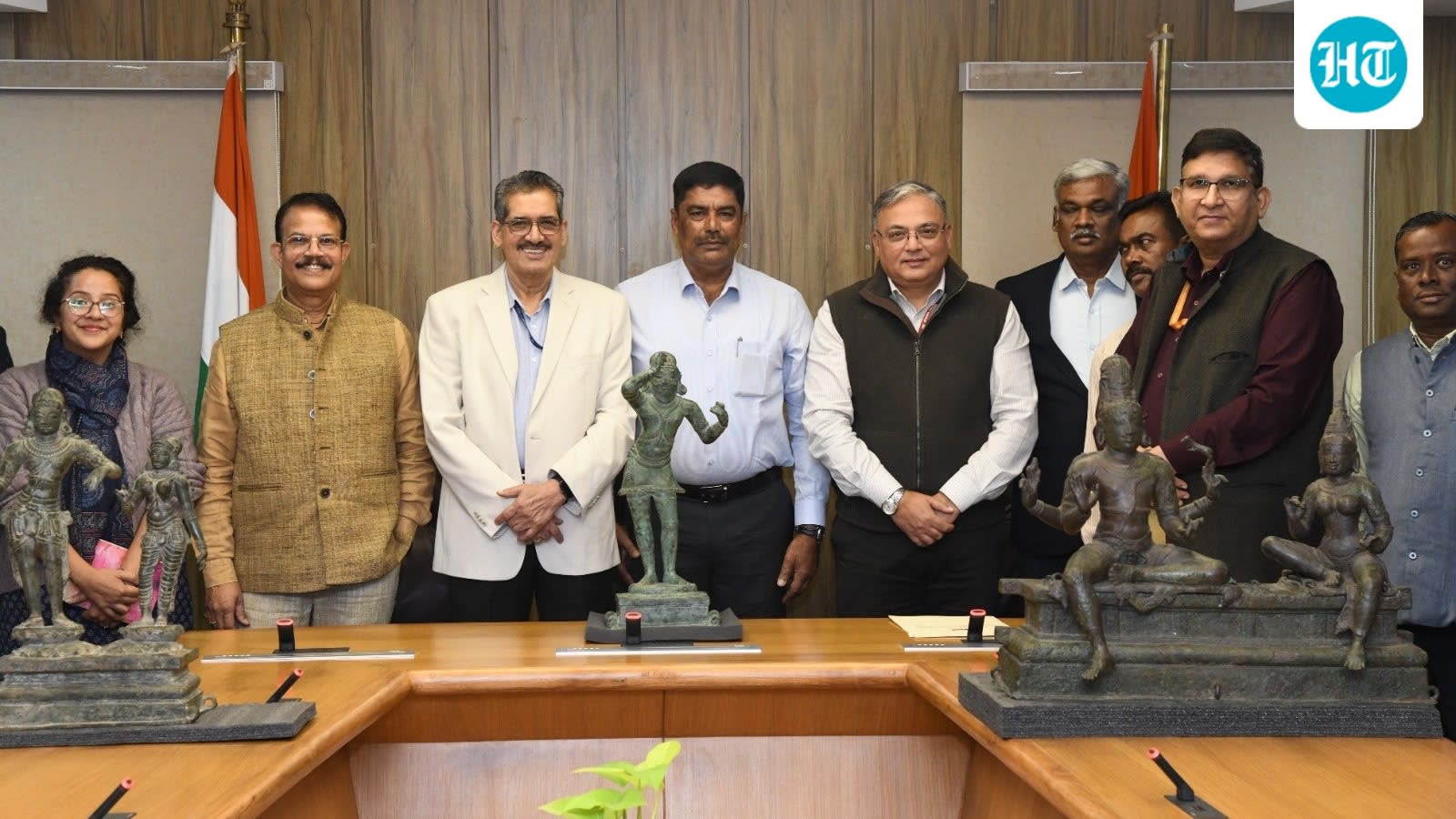
The Archaeological Survey of India has handed over three repatriated bronze idols to the Tamil Nadu Police. These artifacts, including a 12th-century Chola-period piece, were recovered from museums in the US and the Netherlands.
Restoring India's Stolen Heritage: A Diplomatic and Cultural Milestone
The recent handover of three repatriated antiquities by the Archaeological Survey of India (ASI) to the Tamil Nadu Police marks a vital chapter in the ongoing national mission to reclaim India’s stolen cultural history. During a formal ceremony at Dharohar Bhawan in New Delhi, ASI Director General Yadubir Singh Rawat officially transferred the custody of the Somaskanda, Saint Sundarar with Paravai Nachiyar, and Saint Kannappa Nayanar idols to the Idol Wing CID. This event signifies more than just a bureaucratic transfer; it represents the successful culmination of international cooperation and persistent investigative efforts to bring home artifacts that define the Chola-period artistic zenith.
The Significance of the Chola-Period Bronzes
The Chola dynasty, which ruled over large parts of southern India, is globally renowned for its sophisticated bronze casting techniques. The 12th-century bronzes now returned to Tamil Nadu are not merely aesthetic objects; they are sacred manifestations of religious devotion and historical continuity. By recovering these specific idols, the Indian government is actively working to restore the integrity of temple sites from which these items were historically looted or smuggled. Each returned piece serves as a physical link to the spiritual and social fabric of medieval Tamil society.
International Cooperation and Repatriation Efforts
The recovery of these idols highlights the effectiveness of modern diplomatic channels and legal frameworks in the field of art restitution. These specific antiquities were sourced from two distinct international locations: the Smithsonian Museum in the United States and a repository in The Hague, Netherlands. The fact that major international institutions are now proactively working with Indian authorities to return items indicates a shifting global consensus regarding the ethics of museum collections and the necessity of repatriating cultural property to its country of origin.
The Role of the Idol Wing CID
The involvement of the Tamil Nadu Police’s Idol Wing CID is crucial to the success of this operation. This specialized unit has gained a reputation for its rigorous tracking of stolen idols, often utilizing provenance research and international legal mechanisms to secure the return of heritage items. By handing over these artifacts to the state police, the ASI ensures that these idols can be properly documented, preserved, and eventually returned to their rightful places of worship or state-run museums, where they can be protected from future theft.
Broader Implications for Cultural Diplomacy
This repatriation is part of a larger, aggressive push by the Indian government to reclaim its heritage from abroad. As India asserts its cultural identity on the global stage, the return of such artifacts acts as a form of soft power. It reinforces the nation’s commitment to its civilizational history and sets a precedent for future negotiations with foreign governments and private collectors. Each successful recovery emboldens the authorities to pursue other pending cases, signaling to the global art market that India is vigilant regarding the protection of its historical assets.
Future Trends in Heritage Preservation
Moving forward, the focus will likely shift toward digitizing provenance records and enhancing the security of existing temple sites to prevent further illicit trafficking. The collaboration between the ASI and state law enforcement acts as a model for inter-agency cooperation. As technology in forensics and historical documentation improves, the process of identifying and authenticating stolen antiquities will become more efficient, potentially accelerating the pace of repatriations in the coming decade. The return of these three idols is a testament to the fact that cultural heritage, once lost, can indeed be reclaimed through persistent, multi-faceted national effort.
Verification Required?