Sheshnag lake row: Mehbooba invokes Amarnath Shivling; Karan Singh joins voices of protest
Source Entity
Naveed Iqbal, Bashaarat Masood
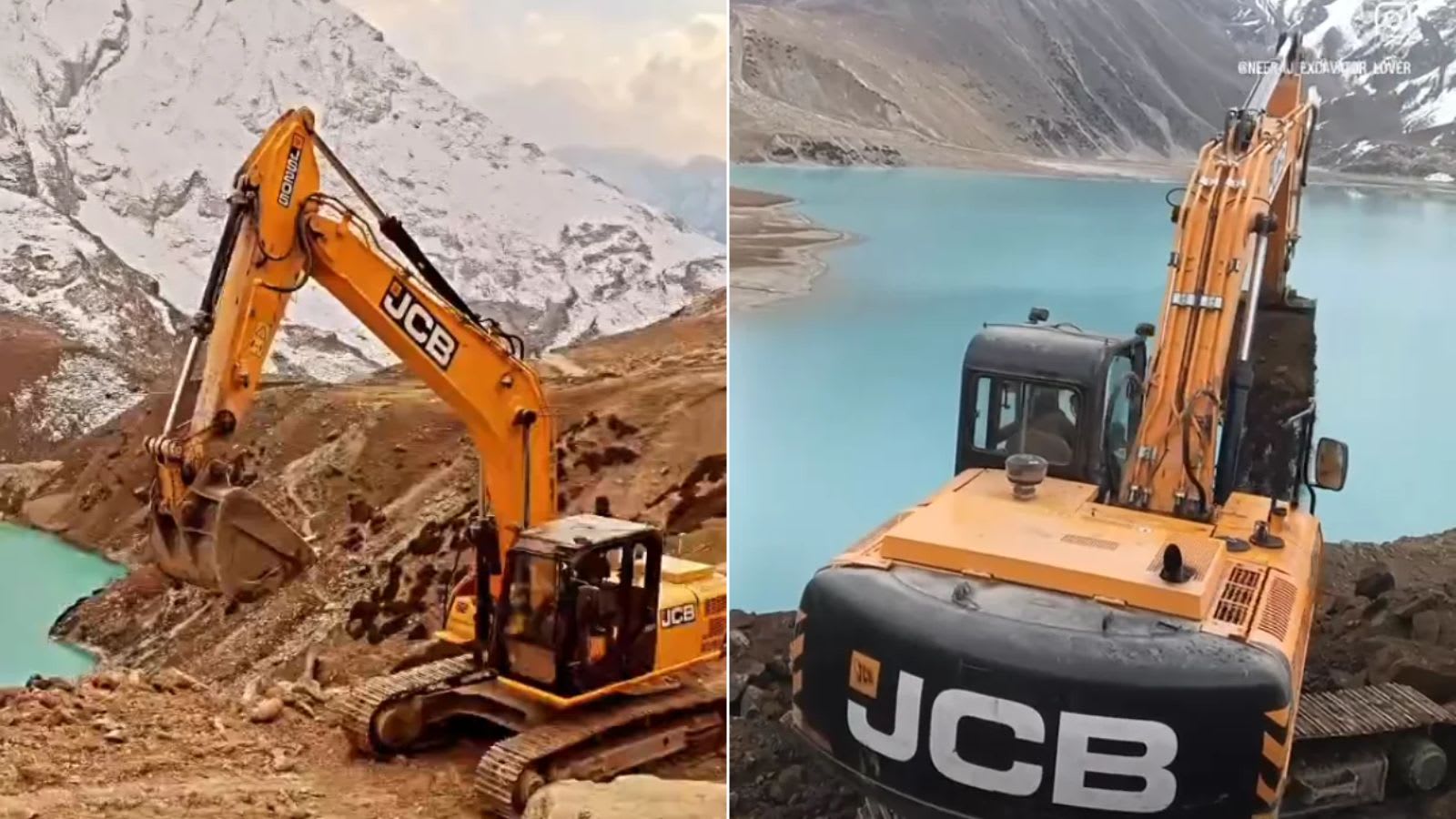
A viral video of heavy machinery near the ecologically fragile Sheshnag Lake has ignited protests and political debate in Jammu and Kashmir. While the Border Roads Organisation insists the work is routine maintenance, leaders like Mehbooba Mufti and Karan Singh have raised concerns over environmental risks and project transparency.
The Controversy Surrounding Sheshnag Lake
The recent emergence of a viral video showing an earthmover operating near the shores of Sheshnag Lake has triggered a significant public and political outcry in Jammu and Kashmir. Located at an altitude of 11,780 feet, this high-altitude alpine lake is not only a site of immense natural beauty but also a critical stopover for the annual Amarnath Yatra. The footage, originally posted on social media by a machine operator, has galvanized environmentalists and political figures who fear that the use of heavy machinery in such an ecologically sensitive zone could lead to irreversible damage to the glacial landscape.
Official Stance and Clarifications
In response to the growing backlash, the Border Roads Organisation (BRO) has issued a formal clarification, dismissing claims of new construction projects as inaccurate. The agency asserts that the activity captured in the video is strictly limited to the widening and maintenance of existing pilgrimage tracks to facilitate the Amarnath Yatra. The Jammu and Kashmir government has further supported this position, stating that the machinery is operating at a considerable distance from the lake's core, attempting to mitigate fears of direct environmental encroachment.
Political Backlash and Environmental Concerns
Despite official assurances, the incident has become a focal point for political opposition. PDP Chief Mehbooba Mufti has expressed deep concern, linking the potential environmental degradation of the region to the sanctity of the Amarnath cave shrine. She argued that the unique ecological balance of the area—comprising jungles and glacial lakes—should not be compromised by heavy-duty infrastructure development. Her demands include full transparency and the public disclosure of any agreements or contracts related to the construction work currently underway.
The Debate Over Pilgrimage Infrastructure
Veteran leader Dr. Karan Singh has also joined the chorus of dissent, questioning the necessity of expanding roads to accommodate heavy vehicles in high-altitude zones. He raised a pertinent point regarding the nature of the pilgrimage, suggesting that not all traditional paths require modern vehicular accessibility. This has sparked a broader debate about whether the push for modernized infrastructure in the Himalayas is inadvertently jeopardizing the very environment that makes these sacred sites significant.
Future Implications and Environmental Stewardship
As the debate continues, the incident highlights the tension between the logistical demands of managing a massive annual pilgrimage and the urgent need to protect the fragile Himalayan ecosystem. The call for greater accountability and the questioning of current development methodologies suggest that future infrastructure projects in the region will face far more intense public and political scrutiny. Moving forward, the administration will likely need to balance the convenience of pilgrims with the implementation of sustainable practices that respect the ecological thresholds of high-altitude glacial zones.
Multiple Citing Sources