Assam Professor, Husband Among Indians Missing In Flood-Hit Nepal
Source Entity
NDTV News Search Records Found 1000
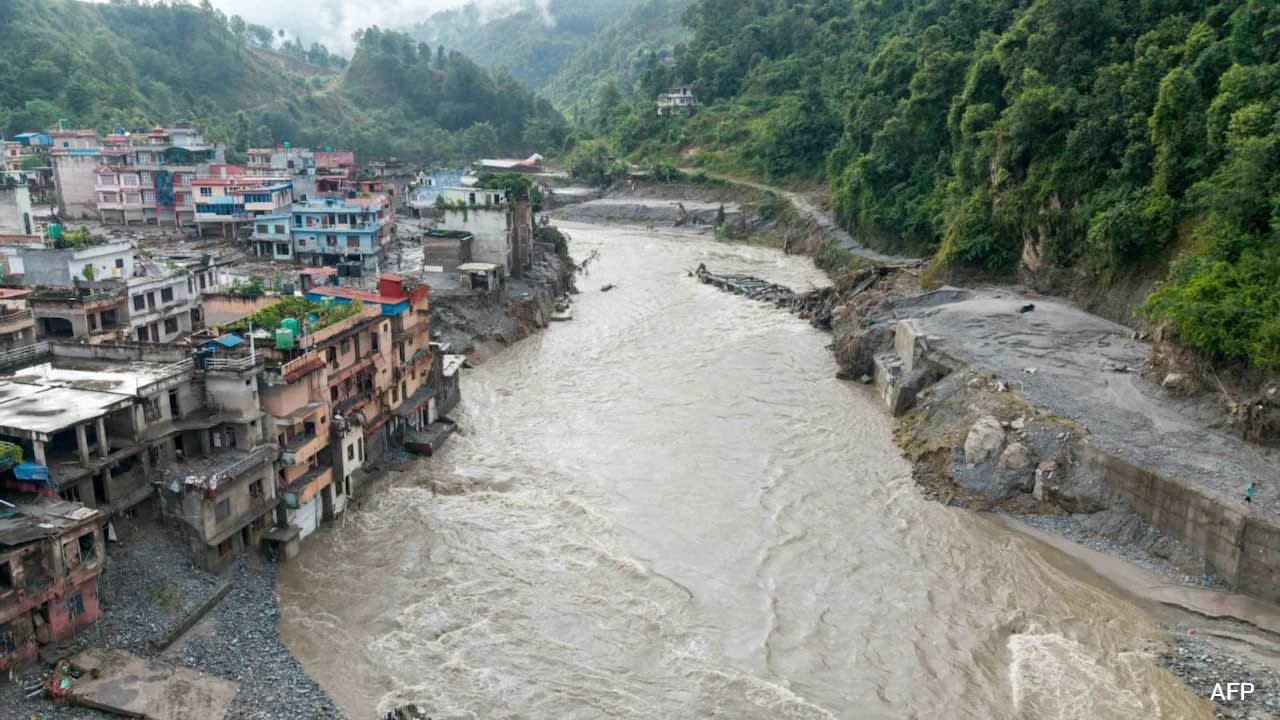
Five out of 16 Assam residents missing after Nepal flash floods have been confirmed safe. Search and rescue efforts continue for the remaining 11 individuals, including a retired professor and a medical doctor.
Assam Residents Caught in Nepal Flash Floods: A Situation Report
Recent reports from the Assam State Disaster Management Authority (ASDMA) indicate a developing humanitarian situation involving 16 residents from Assam who went missing following devastating flash floods in Nepal. As of August 29, 2026, authorities have confirmed the safety of five individuals, while search efforts remain ongoing for the remaining 11 people who were caught in the disaster.
Confirmed Safety and Ongoing Search
According to the ASDMA, the individuals confirmed safe include Pankaj Barman and Samar Bezbaruah from the Nalbari district, as well as Shiva Marak, Sarbison Marak, and Elipson Sangma from the West Karbi Anglong region. Despite this positive development, the status of others, including Arun Mahanta and Birson Sangma, remains unknown. The uncertainty surrounding these individuals highlights the chaotic nature of the disaster, which has hampered communication and rescue operations in the affected regions.
Profiles of the Missing
Among the 11 people still missing are prominent figures from the Assamese community, including a retired professor from Gauhati University and her husband. Additionally, a doctor currently serving at the Nalbari Medical College and Hospital is also listed among those unaccounted for. The involvement of such high-profile professionals underscores the diverse demographic of travelers who were in Nepal when the flash floods struck, complicating the identification and recovery process.
The Logistics of the Disaster
Nepal's geographical landscape makes it highly susceptible to flash floods, particularly during the monsoon season. The sudden nature of these water surges often leaves little time for tourists or residents to relocate to higher ground. The incident has drawn attention to the risks faced by travelers from India, who frequently visit Nepal for pilgrimage, tourism, or professional reasons. The case of the Kolkata-based individual associated with Guwahati further illustrates the complex travel patterns that link the two regions, making it difficult for local authorities in Assam to track the exact movements of their citizens abroad.
Broader Implications and Future Trends
This incident serves as a grim reminder of the need for improved cross-border disaster communication protocols. As climate change continues to increase the frequency and intensity of extreme weather events in the Himalayan region, the vulnerability of travelers is expected to grow. Future trends suggest that state authorities will need to implement more robust tracking and emergency alert systems for citizens traveling to high-risk zones, ensuring that families and government officials can coordinate more effectively during crises.
Conclusion
While the confirmation of five individuals being safe provides a modicum of relief, the search for the remaining 11 people remains a high priority for the Assam government. The state administration, in coordination with relevant agencies, continues to monitor the situation closely. The ongoing efforts reflect the persistent challenges of disaster management in the face of unpredictable environmental hazards, emphasizing the necessity for vigilance and preparedness when traveling through ecologically sensitive regions.
Multiple Citing Sources
Verification Required?