Man who owned historic home 51 years keeps it after ASU drops takeover bid
Source Entity
TOI WORLD DESK
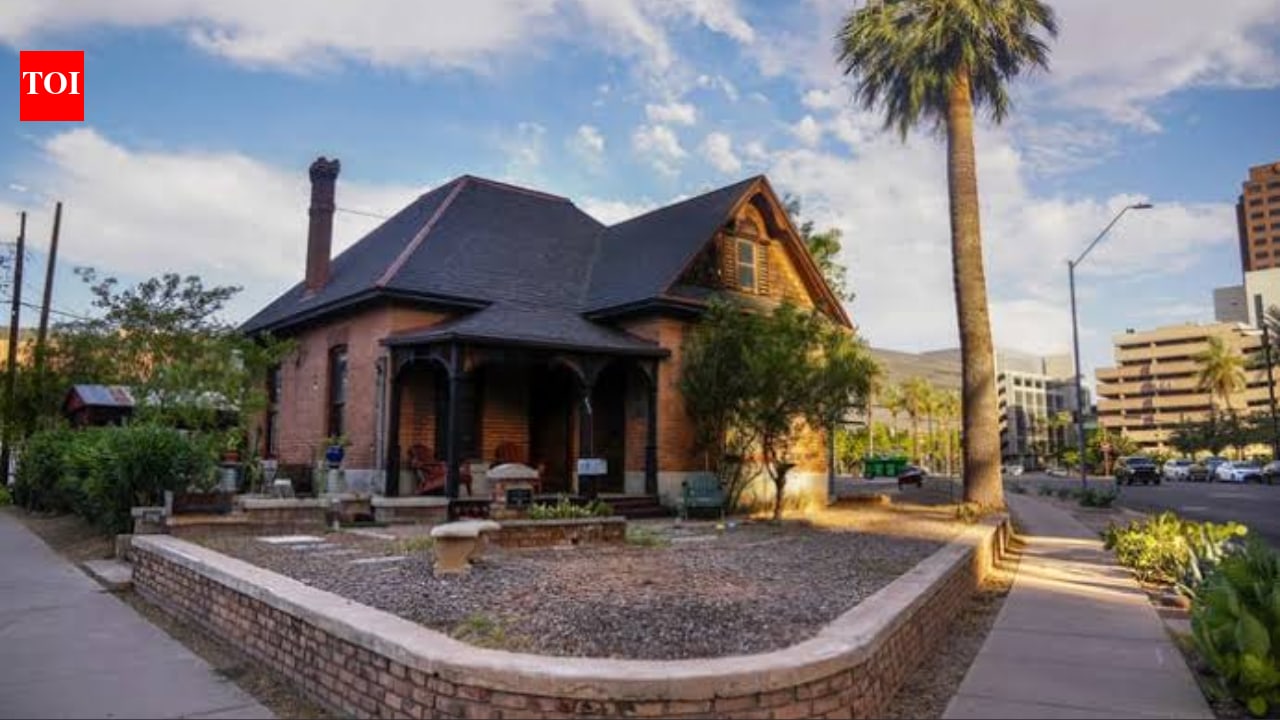
Arizona State University has dropped its eminent domain lawsuit against the 124-year-old Louis Emerson House following intense public backlash. The university abandoned plans to acquire the property for a new medical campus after a petition signed by 12,000 people supported owner John Young.
The Preservation of the Louis Emerson House
Arizona State University (ASU) has officially withdrawn its eminent domain lawsuit against the historic Louis Emerson House in downtown Phoenix, marking a significant victory for local heritage preservation. The university had originally sought to seize the 124-year-old property to serve as the site for a new medical campus headquarters. However, the move triggered a fierce legal and social battle that ultimately forced the institution to reconsider its expansion strategy.
The Power of Community Advocacy
The turning point in this conflict was a robust grassroots campaign spearheaded by the home’s owner, John Young, who has held the title to the property for 51 years, and long-time tenant Barry Schwartz. Recognizing the cultural and historical value of the structure, the duo mobilized the public, resulting in a petition that garnered over 12,000 signatures. This massive show of support highlighted the community's commitment to protecting local landmarks from institutional development, effectively turning the tide of public opinion against the university.
Legal and Institutional Implications
By filing for eminent domain, the Arizona Board of Regents sought to utilize the state's power to acquire private land for public use, specifically the development of a medical campus. While universities often rely on eminent domain to facilitate infrastructure growth, this case demonstrates the limitations of such power when faced with deep-rooted community resistance. The university's decision to dismiss the case in July 2026 serves as a notable example of how institutional transparency and public feedback can reshape urban development projects.
Balancing Growth and Heritage
This event underscores a broader tension between the rapid expansion of academic institutions and the preservation of historic urban landscapes. As Phoenix continues to grow, the demand for medical and research infrastructure often conflicts with the desire to maintain the character of historical districts. The survival of the Louis Emerson House suggests that development goals must be balanced with the preservation of existing community assets to maintain social cohesion.
Future Trends in Urban Planning
Moving forward, the outcome of this dispute may influence how large organizations approach land acquisition in historic zones. Future planning efforts will likely require more rigorous community engagement and a higher threshold for justifying the destruction of established private properties. The success of the campaign led by Young and Schwartz provides a blueprint for other citizens facing similar challenges, signaling that public pressure remains a potent tool in the modern landscape of urban governance.