The evening a 12-year-old dispute spilled blood: Behind death of Rajasthan ex-MLA Atar Singh Bhadana
Source Entity
Parul Kulshrestha
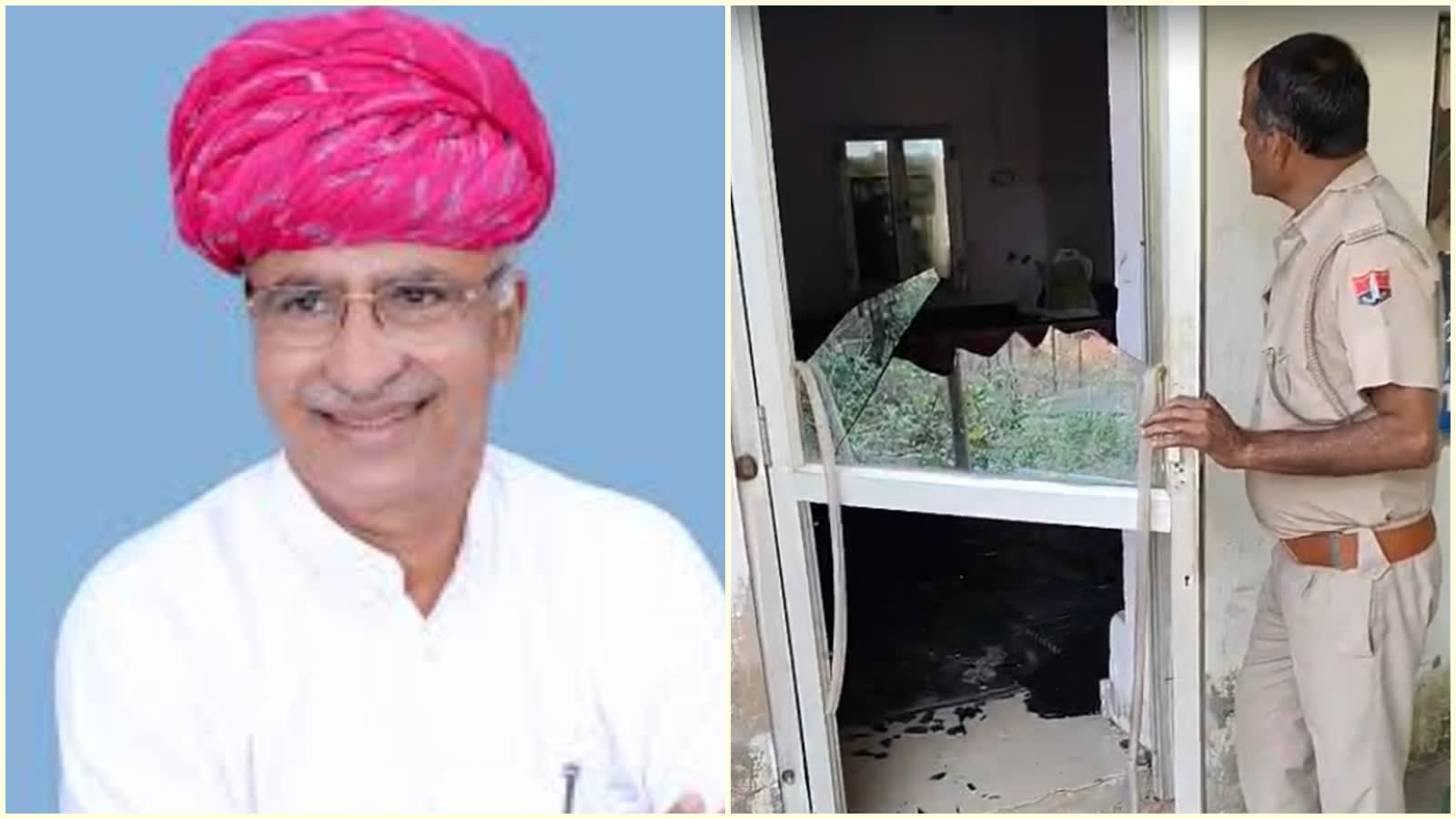
Former BJP MLA Atar Singh Bhadana was killed by a mob in Bhonda village following a long-standing land dispute. While villagers allege the incident was retaliation for firing by Bhadana's men, police have found no evidence of such gunfire.
The Tragic Escalation in Bhonda Village
The brutal death of former BJP MLA Atar Singh Bhadana in Bhonda village, situated approximately 50 kilometers from Jaipur, represents a harrowing climax to a localized conflict that had been festering for over a decade. The incident, which occurred on a Sunday evening, resulted in the death of the former legislator after he was confronted and beaten by a large crowd. As law enforcement continues its investigation, the village has been left largely devoid of its male population, reflecting the immediate and disruptive social fallout of such a violent confrontation.
Roots of a Decade-Long Conflict
At the heart of this tragedy lies a 12-year-old dispute centered on a stone-crusher unit owned by Bhadana. According to local accounts, the primary friction point involved the operational logistics of this facility, specifically the movement of heavy trucks. Villagers have long contended that these vehicles obstructed the path used by their cattle to reach essential grazing lands. This environmental and economic grievance served as the catalyst for recurring protests, eventually transforming a civil dispute into a fatal encounter.
Divergent Narratives and Police Findings
Following the incident, the narrative has split into two distinct accounts. The women of Bhonda village, who remain to manage the daily agricultural tasks, maintain that the violence was a defensive retaliation. They allege that on the evening of October 11, they were protesting the blockade when Bhadana’s associates initiated the confrontation by firing upon them. This claim of self-defense is a pivotal element of the community's perspective, framing the mob violence as a desperate response to perceived aggression.
The Role of Investigative Due Process
In stark contrast to the villagers' claims, official police sources have stated that there is currently no evidence to support the allegation that shots were fired by Bhadana’s men. This discrepancy between local testimony and official investigative findings highlights the complexity of the ongoing legal inquiry. As authorities move forward, the focus remains on reconciling these competing versions of events to determine the precise sequence of actions that led to the former MLA's death.
Broader Implications for Rural Governance
This event underscores the volatility inherent in land-use disputes in rural Rajasthan, where industrial activity often encroaches upon traditional communal resources. When institutional mechanisms for dispute resolution fail to address grievances over extended periods, the risk of localized vigilantism increases significantly. The death of a former public official in this context serves as a grim reminder of the need for robust mediation channels to prevent minor civil disagreements from spiraling into communal violence.
Looking Ahead: Justice and Stability
As the investigation proceeds, the arrest of five individuals marks only the beginning of the legal process. The police are actively searching for other suspects involved in the incident, indicating a multi-faceted approach to holding those responsible accountable. The future stability of Bhonda village will depend heavily on the transparency of this investigation and the ability of the legal system to provide a definitive, evidence-based conclusion that addresses the grievances of the villagers while upholding the rule of law.