It looks like the Atlantic storm season may finally produce a hurricane
Source Entity
Eric Berger
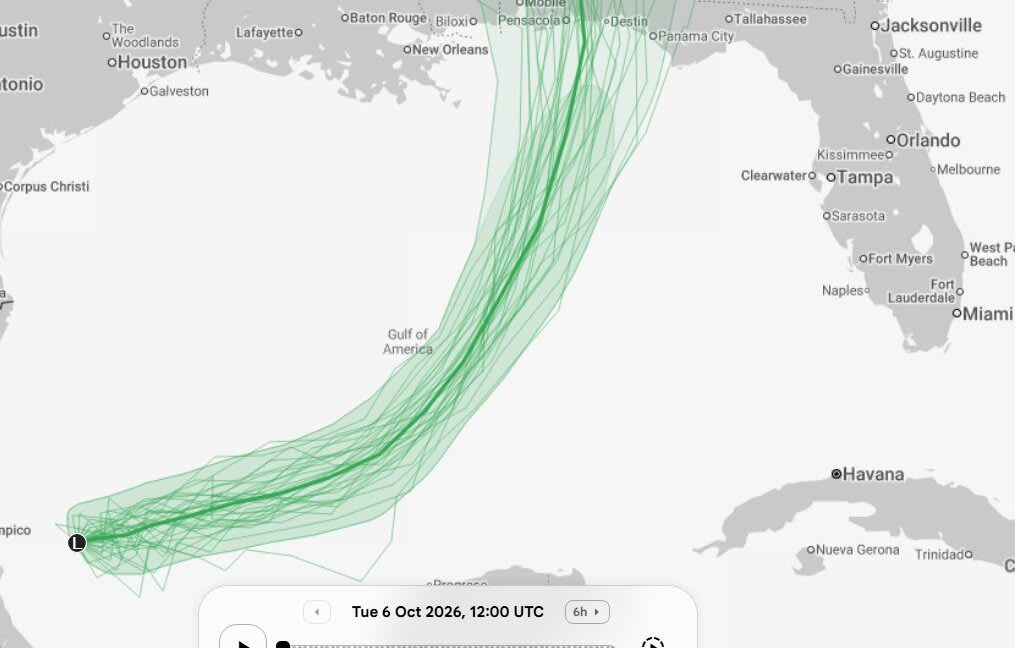
The Atlantic hurricane season is on the verge of producing its first hurricane of the year following an exceptionally quiet period. This development is historically significant as no season in the modern era has gone this late without a hurricane forming.
A Historic Quietude in the Atlantic
For the first time in modern meteorological history, the Atlantic hurricane season has remained remarkably dormant well into October. The current season has been defined by an unusual lack of activity, leaving meteorologists and climatologists to observe a period of atmospheric stability that stands in stark contrast to the volatile patterns typically associated with the Atlantic tropics. This quiet spell, while providing a respite from the destructive potential of major storms, has become a subject of intense scientific scrutiny.
The Impending Tropical Development
Recent data indicates that a low-pressure system currently situated in the western Gulf of Mexico is poised to organize into a tropical storm. Forecast modeling suggests a significant probability that this system will intensify into a hurricane. While the formation of a hurricane in early October is usually considered a standard seasonal occurrence, the timing of this specific event is historic; the season has yet to record a single hurricane, marking a deviation from every recorded year since the advent of modern observation.
Contextualizing Modern Record-Keeping
To understand the gravity of this season, one must look at the evolution of storm tracking. Our reliable record of Atlantic hurricanes began around World War II, coinciding with the introduction of aircraft reconnaissance and, eventually, continuous satellite monitoring. In every season since this era began, at least one hurricane has formed. The current lack of a named hurricane is unprecedented in this modern, data-rich era, underscoring just how anomalous the 2024 season has been compared to its predecessors.
Historical Ambiguities
While historical records from 1907 and 1914 indicate years where no hurricanes were recorded, these figures are viewed with caution by the scientific community. Before the implementation of systematic aircraft reconnaissance and satellite surveillance, tropical cyclones that remained far out at sea could easily go undetected. Thus, the absence of recorded hurricanes in the early 20th century does not definitively prove their non-existence, whereas the current lack of activity is verified by modern, high-precision instrumentation.
Implications and Future Trends
If the current system in the Gulf of Mexico achieves hurricane status, it will effectively end the season's historic streak of inactivity. This event highlights the unpredictability of tropical climate patterns and the limitations of seasonal forecasting. As the climate continues to shift, experts will likely analyze this season to determine which atmospheric conditions—such as wind shear, sea surface temperatures, or dry air intrusions—contributed to this sustained period of suppression. Understanding why this season remained so quiet is essential for improving future predictive models and climate resilience planning.