Ex-Tesla team raises $12.5M to put supply chains on autopilot
Source Entity
Sean O'Kane
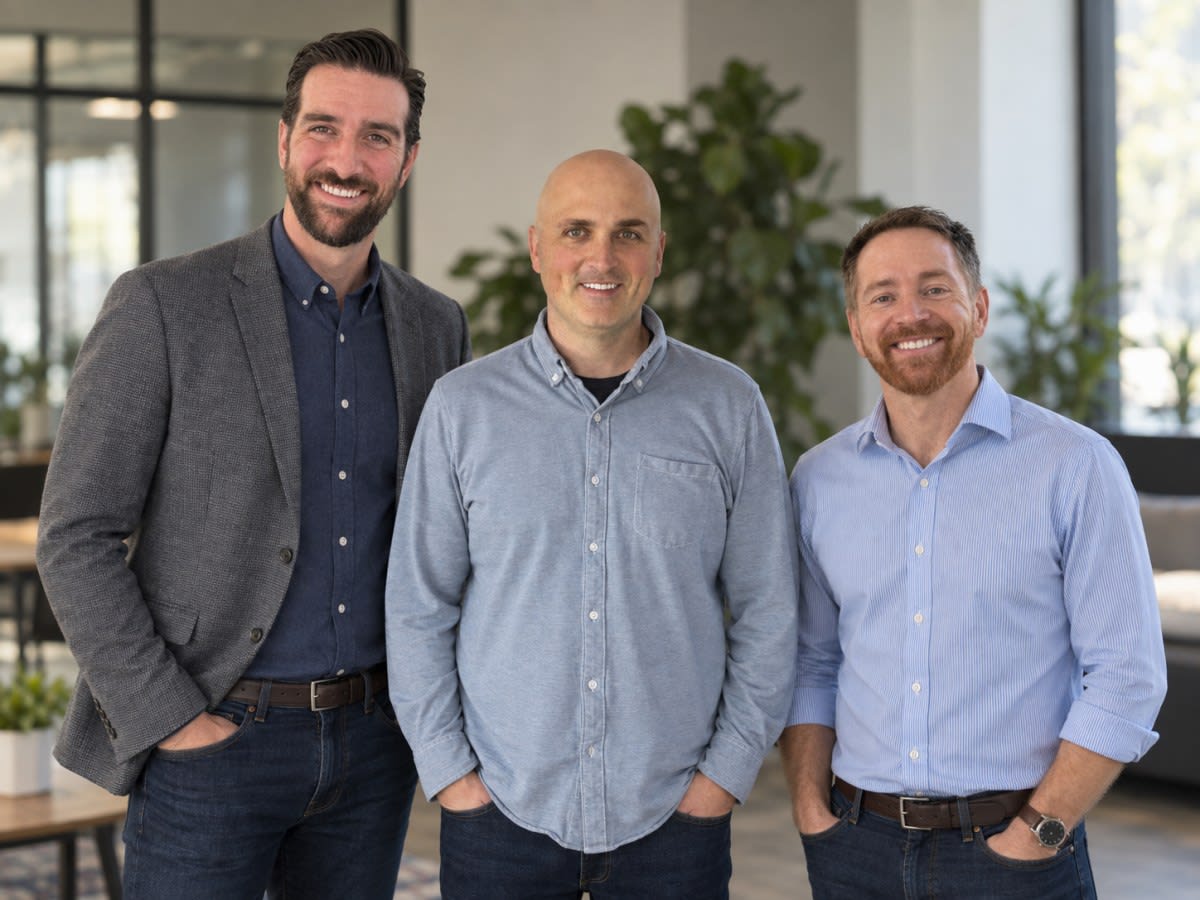
Supply chain startup Atomic has secured $12.5 million to scale its agentic software, which automates inventory management. Founded by former Tesla engineers, the platform is already being utilized by major firms like DoorDash and HelloFresh.
The Evolution of Supply Chain Autonomy
Atomic, a supply chain technology startup founded by former Tesla engineers, has successfully raised $12.5 million to scale its agentic software platform. By moving out of stealth mode and securing major partnerships with industry leaders such as DoorDash and HelloFresh, the company is positioning itself at the forefront of a logistical revolution. The core value proposition of Atomic lies in its ability to transition supply chain management from reactive, spreadsheet-based planning to a proactive, automated system that optimizes inventory levels and distribution strategies in real-time.
The Tesla Connection: A Crucible of Innovation
The technological foundations of Atomic are deeply rooted in the high-pressure environment of Tesla’s 2018 Model 3 production ramp. During this period, the sheer velocity of manufacturing and the complexity of global logistics rendered traditional spreadsheet tools obsolete. Founders Michael Rossiter and Neal Suidan identified a critical gap: the need for a system capable of simulating diverse scenarios to facilitate rapid, data-driven decision-making. This experience served as the blueprint for Atomic, proving that autonomous systems are not just theoretical, but essential for modern industrial scaling.
Agentic Software and Strategic Decision-Making
Atomic’s platform functions as an 'agentic' system, meaning it does more than just present data; it actively participates in the decision-making process. By simulating various operational scenarios, the software recommends—and in some cases, automatically executes—inventory adjustments. This capability is transformative for companies managing high-volume, time-sensitive delivery models. By automating the 'where' and 'how much' of inventory management, Atomic allows companies to reduce waste and optimize their bottom lines, effectively removing human latency from the supply chain.
Broader Implications for Global Logistics
The adoption of Atomic by companies like DoorDash and HelloFresh signals a broader trend in the tech industry: the prioritization of algorithmic supply chain resilience. As global trade continues to face unpredictable disruptions, the ability to automate replenishment and distribution via software agents becomes a significant competitive advantage. Atomic’s success suggests that the next generation of logistics will be defined by software that can 'think' ahead of the curve, anticipating demand shifts before they manifest in a company’s financial reports.
Future Trends and Market Outlook
Looking forward, the success of Atomic highlights the growing market demand for specialized AI agents that can manage operational complexity. As these tools mature, we can expect a shift toward fully autonomous supply chain networks where human intervention is reserved for high-level strategy rather than daily inventory balancing. With $12.5 million in new funding, Atomic is well-positioned to expand its footprint, likely influencing how other logistics-heavy industries approach their own digital transformation efforts in the coming years.