Software occlusion culling in Block Game
Source Entity
Hacker News
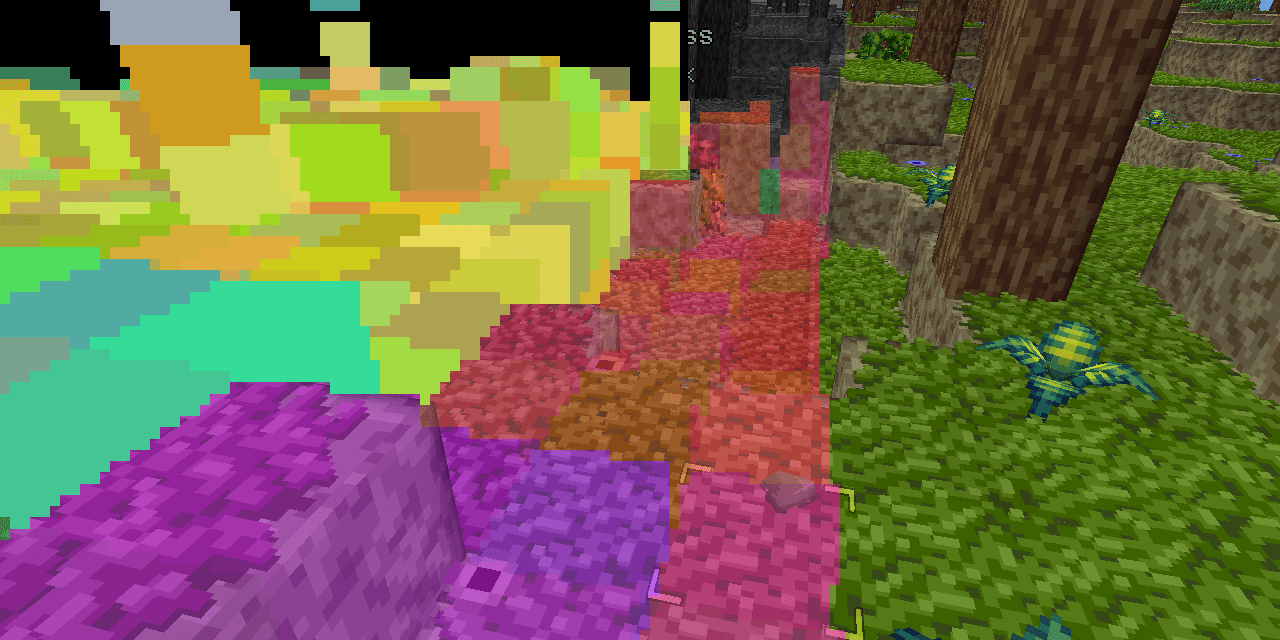
A developer is optimizing their 'Block Game' using software-based occlusion culling to improve performance on low-end hardware. The project targets systems with integrated graphics, such as the AMD Ryzen 7 5700G, to ensure smooth gameplay on older machines.
Optimizing Performance for Low-End Hardware
The pursuit of game optimization often leads developers to explore advanced rendering techniques. A developer working on a "Block Game" has recently turned to software-based occlusion culling to ensure their title remains playable on modest hardware. By utilizing an integrated Radeon Vega 8 GPU paired with an AMD Ryzen 7 5700G, the developer is deliberately testing the limits of entry-level graphical computing.
The Challenge of Integrated Graphics
Integrated GPUs (iGPUs) are notoriously difficult to optimize for, as they share system memory and lack the dedicated VRAM found in discrete graphics cards. The developer highlights the reality of their workstation, noting it is not a "graphical computing powerhouse." By comparing their modern iGPU against hardware from 2012, the developer illustrates the slow progression of integrated graphics performance and the necessity of efficient code to bridge the gap between legacy and modern hardware.
Understanding Occlusion Culling
Occlusion culling is a rendering optimization technique that prevents the GPU from drawing objects that are hidden behind other objects. By implementing this in software, the developer aims to reduce the overhead on the CPU and GPU, ensuring that the engine only processes what is visible to the player. This is a critical step for "Block Games," which often feature complex, voxel-based environments that can quickly overwhelm low-end systems if every block is rendered simultaneously.
Navigating Performance Benchmarks
The developer acknowledges the ongoing debates surrounding hardware benchmarking sites like UserBenchmark. While recognizing these criticisms, they utilize the data as a rough heuristic to gauge the performance disparity between their current workstation and aging hardware. This pragmatic approach highlights a common developer experience: using imperfect tools to set a performance baseline for "potato" or low-end hardware targets.
The Broader Implications for Indie Development
This initiative reflects a growing trend in the indie gaming community: the focus on accessibility through optimization. By prioritizing software-level solutions, developers can reach a wider audience, including those in regions or demographics where high-end gaming hardware is not accessible. This project serves as a case study in how technical ingenuity can overcome hardware limitations, ensuring that even a "weak" workstation can provide a fluid and engaging gaming experience.