Recalling Harchand Singh Longowal, a moderate voice during Punjab’s turbulent times
Source Entity
Raakhi Jagga
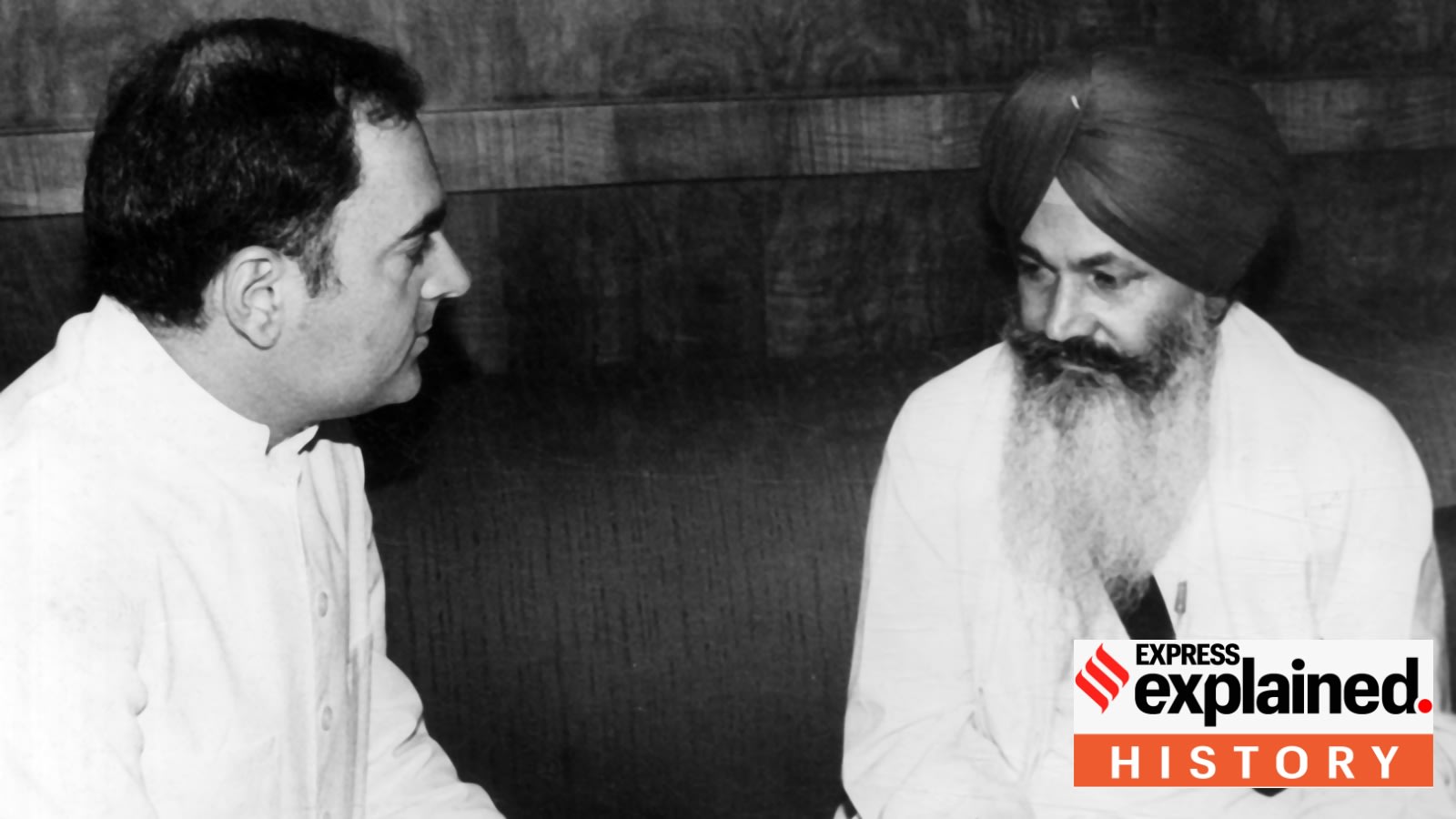
On August 20, 1986, Pakistan faced widespread civil unrest against General Zia-ul-Haq's regime, leading to 26 deaths and military intervention in Sindh. Simultaneously, the legacy of moderate Sikh leader Sant Harchand Singh Longowal is remembered on his death anniversary amidst modern political infighting.
The Dual Crisis: Political Instability in 1980s South Asia
August 20 serves as a significant historical marker for South Asian geopolitics, highlighting the turbulence of the 1980s. In 1986, Pakistan was gripped by a severe anti-government agitation led by the Movement for the Restoration of Democracy (MRD). This movement sought to dismantle the military dictatorship of General Zia-ul-Haq and force the transition to democratic elections, a struggle that saw at least 26 fatalities and necessitated the deployment of the army in the Sindh province.
The Sindh Uprising and State Response
The agitation, which had spread to major urban centers like Lahore, represented a direct challenge to the legitimacy of the Zia regime. Protesters targeted infrastructure, including railway tracks and government buildings, signaling a widespread rejection of military rule. The government’s struggle to contain the unrest was further complicated by deliberations over national security measures, specifically the proposal for a security belt along the India-Pakistan border, reflecting the regime's preoccupation with both internal dissent and external threats.
The Legacy of Sant Harchand Singh Longowal
Contrasting the regional instability of 1986 is the memorialization of Sant Harchand Singh Longowal, whose death anniversary falls on August 20. As the chief of the Shiromani Akali Dal, Longowal stood as a moderate voice during the violent insurgency that defined Punjab in the 1970s and 1980s. His assassination in 1985, occurring shortly after the historic Punjab Accord with Prime Minister Rajiv Gandhi, marked a tragic turning point in the peace process of that era.
Political Factionalism and Historical Memory
Even decades later, the shadow of Longowal’s influence remains a point of contention. The modern-day tussle between the SAD (Badal) and the SAD (Punarsurjit) regarding the venue for his anniversary commemorations underscores the enduring struggle for political legacy within Sikh leadership. This internal discord highlights how historical figures are often co-opted or contested by contemporary factions to validate their own political standing.
Broader Implications and Historical Context
These events illustrate the precarious nature of governance in the 1980s, where both Pakistan and India dealt with internal security crises that redefined their political trajectories. While the MRD in Pakistan pushed for the restoration of democratic norms against a military autocrat, the political climate in Punjab was characterized by the delicate balance between moderate diplomacy and extremist violence. Both narratives reflect the high stakes of political participation and the long-term repercussions of state-led crackdowns and political assassinations.
Concluding Reflections
Ultimately, the convergence of these historical threads on August 20 provides a comprehensive lens through which to view the volatility of the era. Whether through the lens of Pakistan’s struggle for democracy under General Zia or the internal political fragmentation following the loss of a moderate leader like Longowal, the events emphasize that political stability is often fragile and deeply influenced by the unresolved tensions of the past.