Setback for Jharkhand students: HC stays Soren govt's order to cancel JPSC exams
Source Entity
TOI NEWS DESK
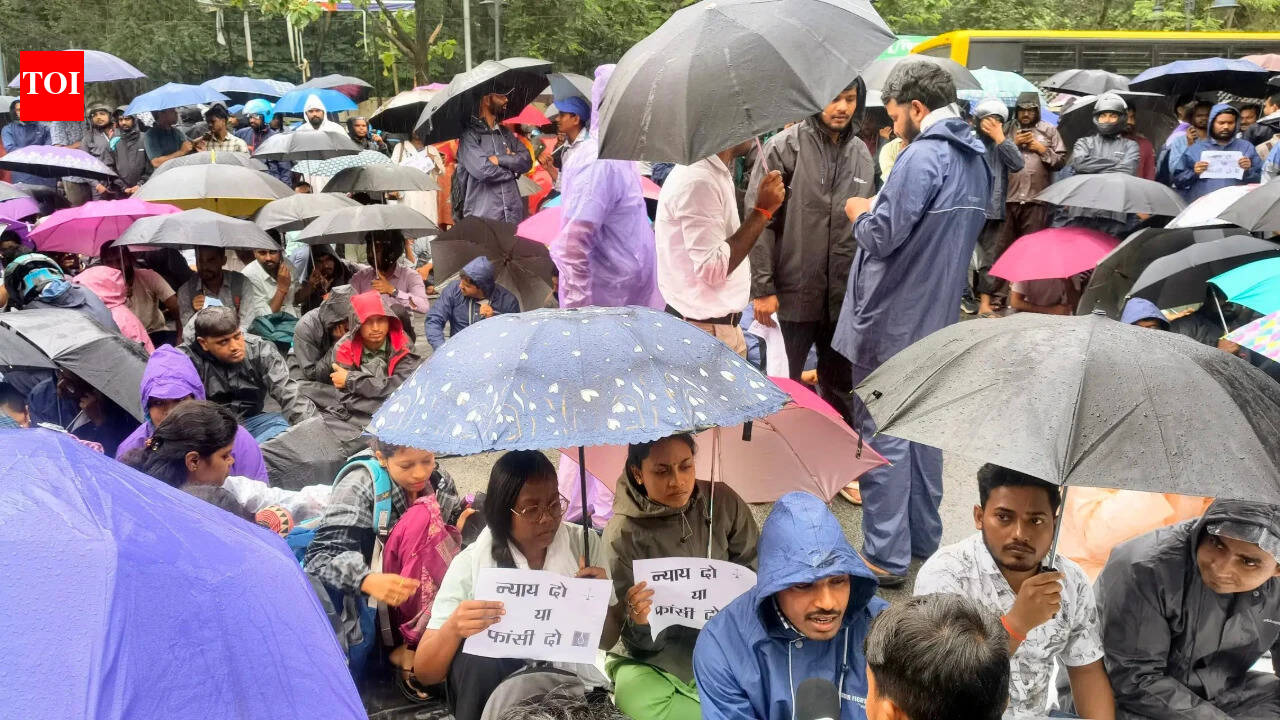
The Jharkhand government has cancelled 22 recruitment examinations following CID probes into alleged irregularities and sustained student protests. Meanwhile, aspirants in Uttar Pradesh have announced an indefinite protest against the UPSSSC due to significant delays in releasing the Village Panchayat Officer merit list.
Recruitment Crisis: Systemic Challenges in State Governance
The recent administrative actions in Jharkhand, where the state government cancelled 22 recruitment examinations, highlight a growing crisis of credibility in public sector hiring processes. Following an extensive probe by the Crime Investigation Department (CID) into alleged irregularities within the Jharkhand Public Service Commission (JPSC) and the Jharkhand Staff Selection Commission (JSSC), the government was forced to acknowledge systemic failures. This decision, which includes the cancellation of the JSSC-CGL and TDPL exams, underscores the severity of the alleged malpractice that has plagued state-level recruitment for years.
The Impact of Student Activism
The government's decision followed intense pressure from student-led movements, most notably the 16-day hunger strike led by activist Devendra Nath Mahto. The resolution of this protest, witnessed by state ministers, marks a significant political shift as the administration seeks to appease a disillusioned youth demographic. By cancelling these exams and bringing 17 others conducted since 2014 under investigative scrutiny, the Jharkhand government is attempting to restore public trust, though the move inevitably puts the jobs of over 2,600 previously hired individuals at risk, creating a complex legal and administrative aftermath.
Broader Implications for Administrative Integrity
These events in Jharkhand are not isolated incidents but reflect a broader pattern of frustration among aspirants across India. The scope of the CID investigation—reaching back nearly a decade—suggests that recruitment irregularities may be deeply embedded in the state's bureaucratic infrastructure. When recruitment processes are perceived as compromised, the social contract between the state and its citizens is weakened, leading to increased political instability and the mobilization of student groups who see these exams as their primary pathway to socioeconomic mobility.
The Situation in Uttar Pradesh: A Parallel Struggle
Simultaneously, the recruitment landscape in Uttar Pradesh highlights the frustration caused by administrative bottlenecks. Aspirants for the Village Panchayat Officer (VPO) position have announced an indefinite protest outside the Uttar Pradesh Subordinate Service Selection Commission (UPSSSC) office. The grievances here differ from Jharkhand—focusing on the prolonged delay of a merit list rather than explicit corruption—but the underlying sentiment is identical: a lack of transparency and efficiency in the recruitment cycle that leaves candidates in a state of professional limbo.
Future Trends and Reform Imperatives
Looking forward, state governments face an urgent need for digital transformation and independent oversight to sanitize recruitment pipelines. The reliance on legacy systems that are prone to manipulation or extreme delays is clearly unsustainable. As student organizations like the Sanyukt Pratiyogi Chhatra Hunkar Manch gain prominence, governments will likely face more coordinated, state-wide resistance if transparency is not prioritized. Future policy trends will likely involve stricter audit trails for examination processes and a move toward centralized, technology-driven recruitment platforms to mitigate the human factor that often leads to these controversies.
Conclusion
The parallel developments in Jharkhand and Uttar Pradesh serve as a stark reminder of the high stakes involved in government employment. While Jharkhand is currently navigating the fallout of cancelling mass-scale exams, Uttar Pradesh is grappling with the mounting frustration of candidates waiting for results. For both states, the path forward requires not just temporary fixes, but a fundamental overhaul of how recruitment boards function to ensure meritocracy and prevent the recurring cycles of protests that disrupt both governance and the lives of thousands of aspirants.
Multiple Citing Sources