After 53 days of jail, 84% got bail: What an Express Investigation uncovered
Source Entity
Divyanshu Dutta Roy
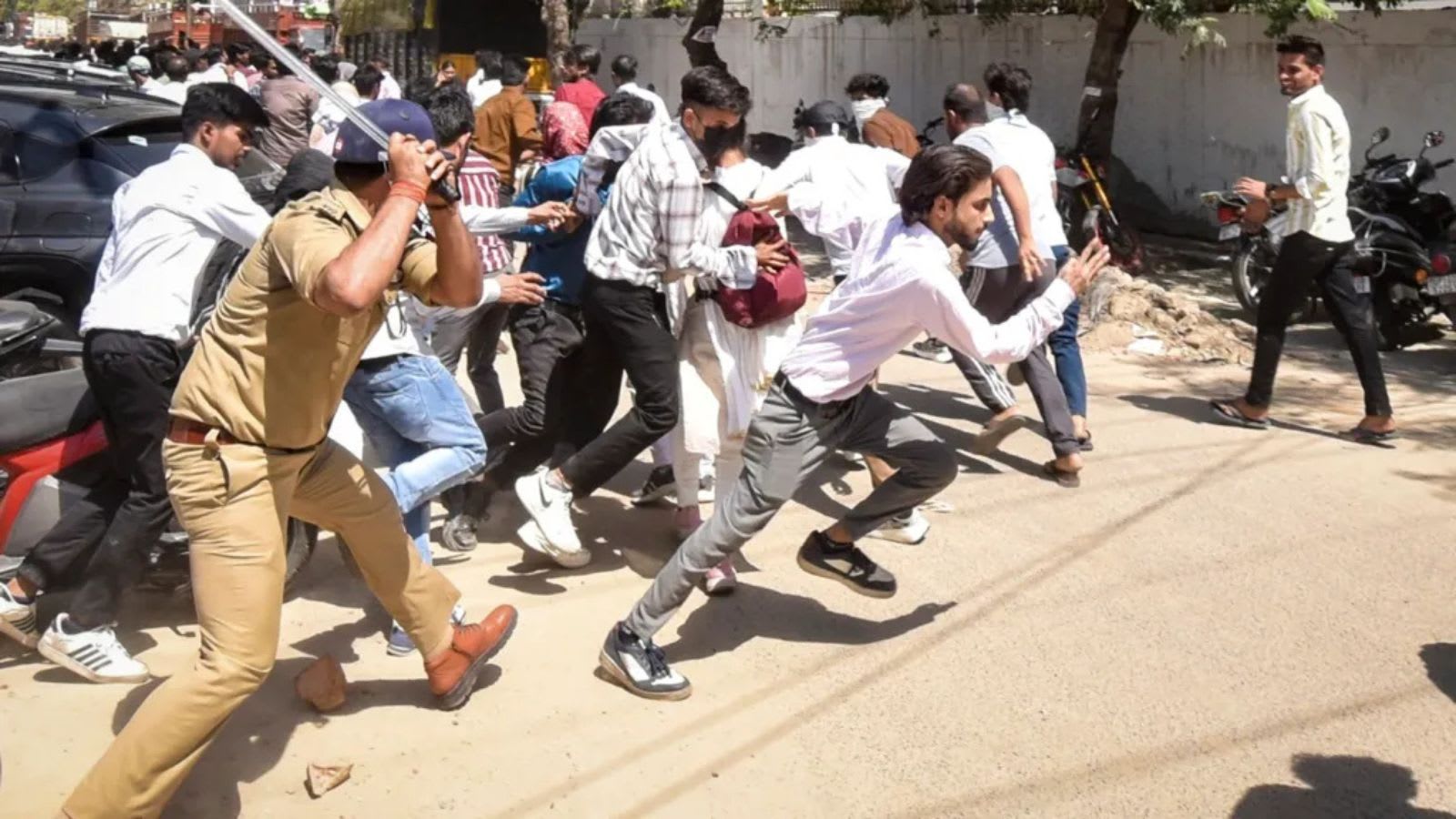
Noida factory workers protesting for wage hikes faced severe legal crackdowns, including the use of the National Security Act. While most secured bail after judicial intervention, those accused of conspiracy remain detained, highlighting a stark disparity in protest outcomes.
The Noida Protest Crackdown: A Judicial and Legal Overview
The Anatomy of the Noida Labour Protests
In April 2026, factory workers in Noida, Uttar Pradesh, initiated a week-long protest demanding higher wages. While the protests eventually led to a government-mandated wage hike on April 14, the response from local authorities was characterized by a severe police crackdown. Nearly 200 individuals were taken into custody, leading to a series of legal battles that underscore the complexities of protest-related litigation in the region.
Judicial Relief vs. State Detention
An investigation into 222 bail orders across seven major FIRs reveals a significant divide in judicial outcomes. Approximately 80% of those arrested have successfully secured bail, as courts frequently noted a lack of specific evidence or ruled that mere presence at a demonstration does not constitute a criminal act. Despite these charges ranging from rioting to attempted murder, the judiciary has often acted as a vital check on the state's aggressive legal maneuvers.
The Shadow of the National Security Act
While many have returned to their families, a smaller group remains behind bars, facing more severe allegations of conspiracy. These individuals, including activists, a former journalist, and a Delhi University graduate, are being held under the National Security Act (NSA). This draconian legislation allows for preventive detention for up to a year without trial. The authorities have cited unconventional evidence, such as books read, WhatsApp conversations, and past participation in unrelated protests like those concerning Gaza and the NRC, to substantiate these claims.
The Human Cost of Legal Struggle
For those who have secured bail, the journey is far from over. The economic impact on these working-class families is profound. Many families incurred significant debt to cover legal fees, court appearances, and jail visits. The emotional toll is equally heavy; some individuals are now too afraid to leave their homes, living in constant fear of re-arrest. The cases of individuals picked up while performing routine daily tasks—such as buying food or searching for work—illustrate the pervasive atmosphere of intimidation reported by the families.
Contrasting Outcomes in Indian Protest Culture
There is a striking contrast between the outcome of these labour protests and other recent demonstrations in the capital. While a protest at Jantar Mantar regarding exam leaks recently resulted in government concessions and the withdrawal of police cases, the Noida factory workers faced persistent legal scrutiny. This disparity highlights how the nature of the protest and the specific legal tools employed by the state can lead to drastically different consequences for demonstrators.
Future Implications and Trends
The reliance on the NSA in labor-related disputes raises critical questions about the balance between public order and the democratic right to protest. As courts continue to scrutinize the evidence presented by the police, the future of these cases will likely hinge on the judicial interpretation of 'conspiracy' versus 'legitimate assembly.' The ongoing struggle of these workers serves as a case study for the intersection of labor rights, national security laws, and the role of the judiciary in protecting civil liberties.
Multiple Citing Sources