Why Awarapan 2 had to be made, reveals writer: ‘Emraan Hashmi’s Shivam Pandit wasn’t done’
Source Entity
The Indian Express
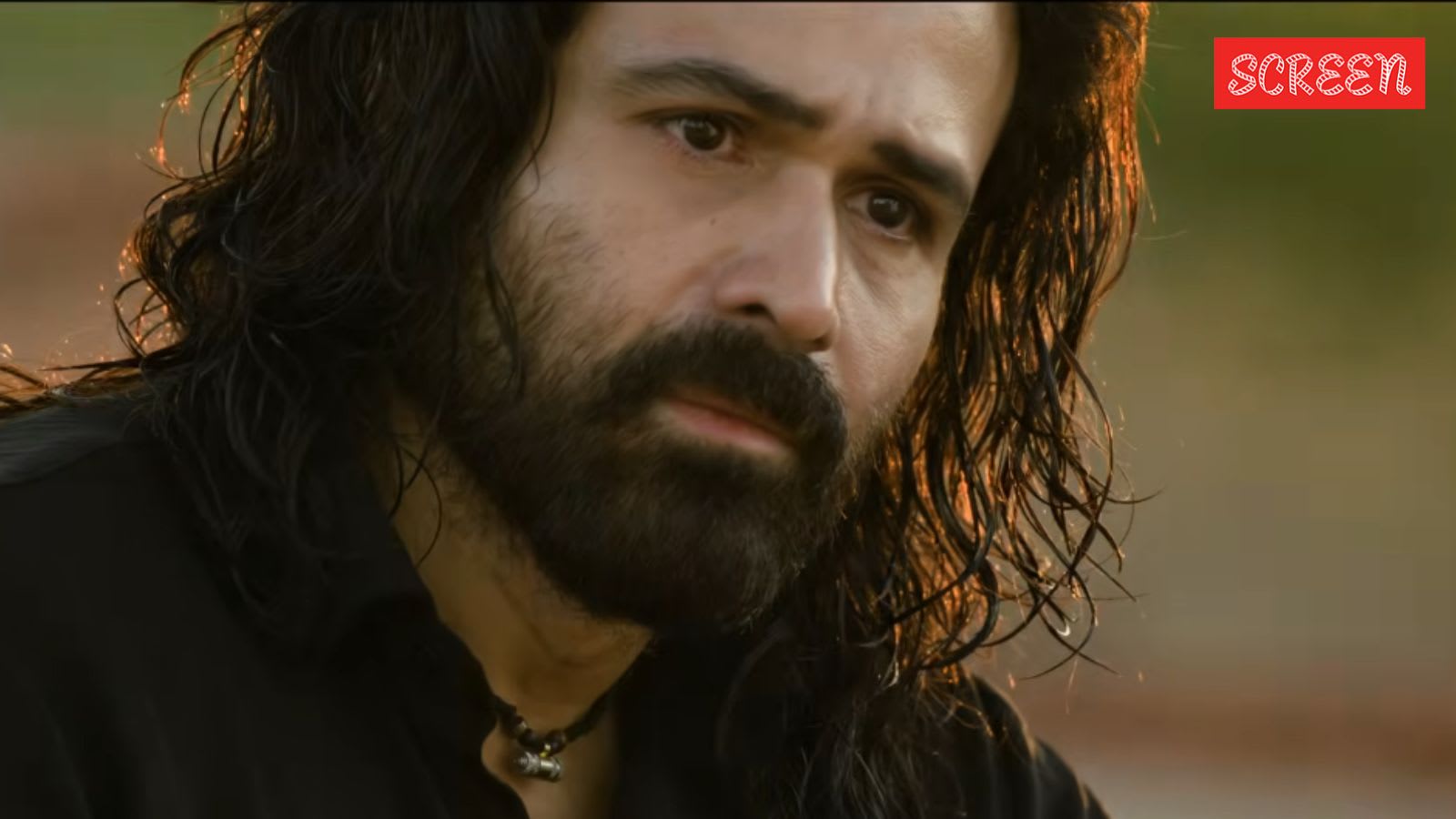
The highly anticipated sequel Awarapan 2 is set for release, continuing the story of Emraan Hashmi's iconic character, Shivam Pandit. Screenwriter Bilal Siddiqui highlights the creative challenge of honoring the 2007 original's cult legacy while evolving the narrative.
The Resurgence of a Cult Classic: Analyzing Awarapan 2
The Legacy of Shivam Pandit
The 2007 film Awarapan, directed by Mohit Suri, remains a cornerstone of Indian gangster-romance cinema. At its heart was Emraan Hashmi’s portrayal of Shivam Pandit, a character defined by deep internal conflict, redemption, and a haunting emotional trajectory. Over the past seventeen years, the film has transcended its initial box office performance to acquire a dedicated cult following, largely due to Hashmi’s nuanced performance and the film’s atmospheric storytelling. The announcement of Awarapan 2 is not merely a commercial endeavor; it is an attempt to revisit a character that many fans felt was left with unresolved depth.
Creative Challenges in Sequel Development
Screenwriter Bilal Siddiqui, known for his recent work on The Ba**ds of Bollywood*, has publicly acknowledged the immense pressure of crafting a sequel to such a beloved property. Writing a follow-up to a film with a significant emotional legacy requires a delicate balance: satisfying the nostalgia of the original audience while introducing stakes that feel relevant to a modern cinematic landscape. Siddiqui’s involvement suggests a commitment to maintaining the gritty, introspective tone that made the original Awarapan stand out in the crowded genre of mid-2000s Bollywood dramas.
The Evolution of the Gangster-Romance Genre
When Awarapan was first released, the gangster-romance genre was dominated by themes of betrayal and tragic love. Today, the landscape has shifted toward more complex, serialized storytelling, often influenced by the rise of global streaming platforms. Awarapan 2 must navigate this transition by modernizing the narrative arc of Shivam Pandit. The film’s development reflects a broader industry trend where studios are increasingly looking toward established intellectual properties to drive theatrical interest, banking on the enduring power of iconic characters.
The Role of Character-Driven Narratives
At the core of this sequel is the belief that Shivam Pandit’s story was not fully concluded. In screenwriting, the decision to revisit a character years later is usually predicated on the idea that the character’s internal journey remains incomplete. By focusing on the evolution of a man who has lived through the trauma and violence depicted in the first film, the writers aim to offer a more mature exploration of redemption and survival. This focus on character development over mere spectacle is what separates a meaningful sequel from a simple cash-grab.
Anticipation and Market Expectations
With the release date imminent, the anticipation surrounding Awarapan 2 is a testament to the longevity of the original film’s impact. The audience’s emotional investment in Shivam Pandit serves as a powerful marketing engine, but it also raises the stakes for the production team. If Awarapan 2 succeeds in capturing the same raw intensity of its predecessor, it could set a new benchmark for how Indian cinema handles legacy sequels, proving that stories rooted in genuine character arcs remain the most potent form of engagement for audiences.
Conclusion
As the industry watches the release of Awarapan 2, the focus remains on whether the film can successfully bridge the gap between 2007 and the present day. By prioritizing the internal evolution of Emraan Hashmi’s Shivam Pandit, the creative team is banking on the idea that legacy characters, when handled with narrative respect, remain the most valuable assets in contemporary filmmaking.
Multiple Citing Sources