'Won’t quit, Ayodhya Ram temple donation theft due to SBI laxity': Trust treasurer
Source Entity
ANURAG BENDE
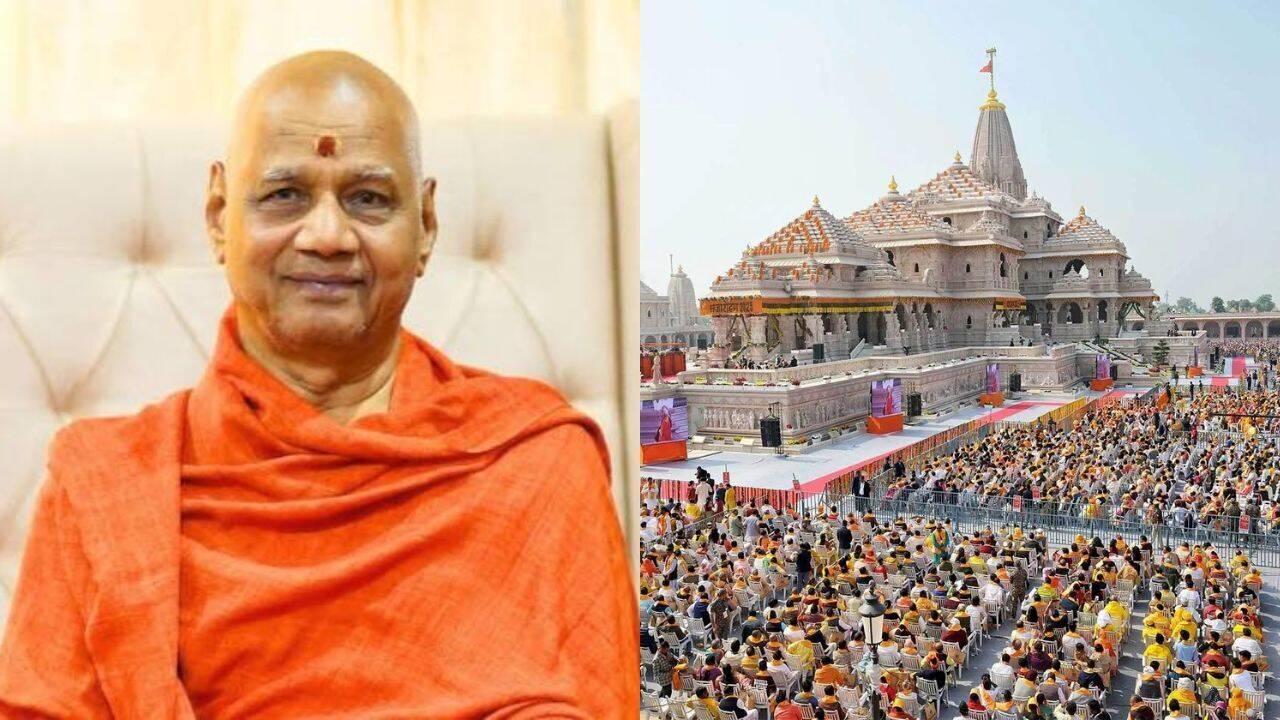
Swami Govinddev Giri Maharaj, treasurer of the Ayodhya Ram temple trust, has refused to resign despite an alleged embezzlement of approximately Rs 3 crore in donations, attributing the security failure to laxity on the part of the State Bank of India (SBI).
Financial Irregularities at the Ayodhya Ram Temple Trust
The Ayodhya Ram temple trust, a cornerstone of immense cultural and religious significance in India, is currently embroiled in a financial controversy involving the alleged embezzlement of approximately Rs 3 crore in donations. The situation has reached a critical juncture following the resignation of the trust's general secretary, Champat Rai, highlighting a deep internal rift regarding accountability and oversight. While the general secretary has stepped aside, the trust's treasurer, Swami Govinddev Giri Maharaj, has publicly declared his intention to remain in his position, shifting the focus of the failure from internal management to external banking oversight.
The Conflict of Accountability and SBI's Role
A central point of contention in this case is the treasurer's assertion that the State Bank of India (SBI) displayed significant 'laxity' in monitoring the trust's accounts. Swami Govinddev Giri Maharaj argues that as a premier banking institution, SBI should have had the mechanisms in place to flag suspicious transactions or irregularities that led to the theft. This claim points to a potential failure in the bank's internal audit and fraud detection systems, which are expected to be particularly rigorous for accounts handling high-volume public donations. The treasurer's refusal to resign suggests a belief that the primary breach occurred due to a failure in the banking safety net rather than a deliberate act of mismanagement by the trust's leadership.
Governance Lapses and Internal Friction
Despite blaming the bank, the treasurer has acknowledged that there were indeed security lapses within the trust's own financial handling processes. The stark contrast between the resignation of General Secretary Champat Rai and the resolve of Swami Govinddev Giri Maharaj indicates a struggle within the trust's hierarchy over who bears the ultimate responsibility for the missing funds. In high-profile trusts, the separation of duties between the general secretary and the treasurer is vital; the current crisis suggests that these checks and balances may have been insufficient to prevent a loss of this magnitude, raising questions about the transparency of the donation management system.
The Path Toward System Strengthening
In response to the crisis, the trust has promised to implement rigorous 'system strengthening measures.' This likely involves a transition toward more digitized, transparent, and audited financial workflows to ensure that every rupee donated by the public is accounted for. The implementation of multi-signature authorizations, real-time transaction alerts, and third-party forensic audits will be essential to restore faith. Given the scale of the Ram temple project, the trust is now under immense pressure to move away from traditional, potentially opaque accounting methods toward a modern corporate governance model that can withstand the scrutiny of millions of donors.
Broader Implications for Public Trust
This incident serves as a cautionary tale regarding the management of massive public funds in religious institutions. The embezzlement of Rs 3 crore, while small compared to the total funds raised for the temple, creates a perception of vulnerability that can damage the trust's reputation. When public contributions are involved, the standard of care must be absolute. The resolution of this case—whether it results in the recovery of funds or the identification of the perpetrators—will set a precedent for how other large-scale religious trusts in India manage their financial security and handle executive accountability.
Conclusion
The standoff between the trust treasurer and the perceived failures of SBI underscores a complex intersection of institutional trust and financial security. While Swami Govinddev Giri Maharaj remains steadfast in his role, the resignation of Champat Rai signals that the trust is undergoing a period of turbulent restructuring. The focus now shifts to whether the promised systemic reforms can prevent future thefts and whether the banking sector will be held accountable for its alleged role in the oversight failure.