Man ‘intentionally fails IIT entrance exam’ by marking wrong answers, shares why
Source Entity
Latest News: Today's Latest News Headlines from India & World | Hindustan Times | Hindustan Times
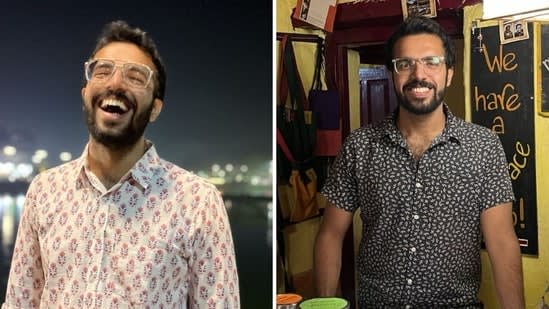
A man gained attention after revealing that he intentionally failed the highly competitive IIT entrance exam by deliberately marking wrong answers, choosing to pursue a degree in arts instead of following the traditional engineering path.
Defying the Engineering Norm: An Analysis of Intentional Failure
In a society where the Indian Institutes of Technology (IITs) are viewed as the ultimate gateway to professional success and social prestige, the act of intentionally failing the entrance exam is nothing short of a subversive statement. The reported instance of a man deliberately marking wrong answers to ensure he did not qualify for the IITs highlights a profound tension between individual passion and systemic societal expectations. This event is not merely a quirk of personal choice but a reflection of the immense psychological pressure placed on students in India to pursue STEM fields, regardless of their innate interests.
The Weight of the JEE Ecosystem
To understand the gravity of this decision, one must look at the context of the Joint Entrance Examination (JEE). The JEE is one of the most competitive exams globally, often characterized by a grueling preparation cycle that begins years in advance. For millions of students, the exam is seen as a binary filter: success leads to a secure, high-paying career in engineering, while failure is often stigmatized. By choosing to fail intentionally, the individual in this narrative exercised a rare form of agency, rejecting the "coaching culture" and the rigid academic trajectory that often consumes the formative years of Indian youth.
Psychology of the "Intentional Fail"
Marking wrong answers on purpose is a distinct psychological act. It differs from simply not studying or failing due to a lack of aptitude. This deliberate sabotage suggests a desire to remove the "burden of potential." Had the individual passed, the societal and familial pressure to enroll in an IIT would have been nearly insurmountable. By creating a definitive, failure-based barrier, the individual effectively "burned the bridge" to engineering, thereby liberating themselves to pursue the arts without the nagging possibility of returning to a path they despised.
The Transition to Liberal Arts
The decision to subsequently study arts signifies a broader, albeit slow, shift in the Indian educational landscape. For decades, the humanities were viewed as secondary to the "hard sciences." However, there is a growing trend of students recognizing that creativity, critical thinking, and social sciences offer equally viable and fulfilling career paths. This individual's journey from a rejected engineering path to an arts degree mirrors a global movement toward multidisciplinary education and the prioritization of mental well-being over prestige.
Broader Societal Implications
This event serves as a critique of the "one-size-fits-all" approach to success in India. The obsession with IITs has led to the rise of "education hubs" where students face extreme stress and burnout. When a student feels the need to fake failure to escape this system, it indicates a systemic failure in how vocational guidance is provided. It suggests that the social cost of choosing a non-traditional path is so high that some feel the only way to achieve autonomy is through a calculated academic defeat.
Conclusion
Ultimately, the story of the man who intentionally failed the IIT entrance exam is a narrative of reclamation. By choosing the arts over a prestigious but unwanted engineering degree, he challenged the cultural hegemony of STEM. This act of defiance underscores the importance of aligning one's education with personal passion rather than societal pressure, suggesting that for some, the greatest success is found in the courage to fail on one's own terms.
Verification Required?